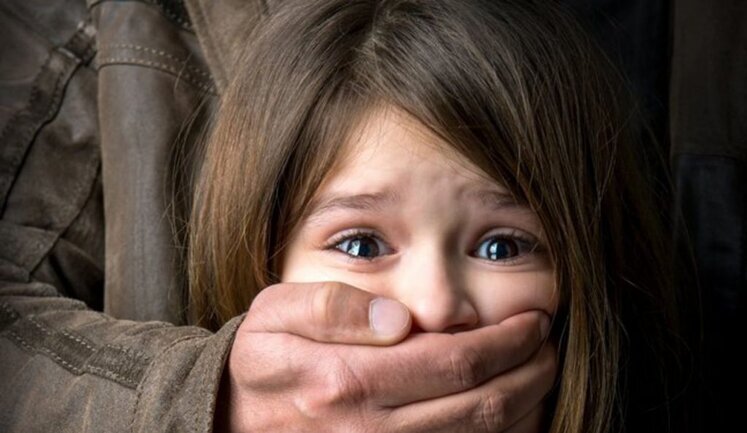
In recent developments, Ukraine's approach towards handling cases of pedophilia has been under the spotlight. The Ukrainian parliament passed a law advocating for the chemical castration of convicted pedophiles, with 247 MPs supporting this measure. This legislative move intends to curb repeated offenses and provide a deterrent. However, President Zelenskyi exercised his veto power on this proposal, generating debates about ethics and human rights. The contrast between parliamentary support and presidential veto highlights the nuanced discussions surrounding such a sensitive topic. These decisions impact Ukraine's legal framework, addressing challenges in preventing child abuse effectively.
What was Ukraine's initial legislative proposal on pedophiles about?
The initial proposal involved implementing chemical castration for convicted pedophiles. This measure aimed to prevent recidivism and protect children by reducing sexual drive. It was passed in parliament by a significant majority, as 247 MPs voted in favor. The law targeted those convicted of sex crimes against minors, ensuring stricter enforcement of child protection protocols.
What were the key reasons for President Zelenskyi's veto on the castration law?
President Zelenskyi vetoed the chemical castration law based on concerns about its ethical implications and potential human rights violations. The controversial nature of physically altering individuals as punishment was central to his decision. The veto also prompted a broader conversation about adopting balanced and humane strategies within the legal system to punish and rehabilitate offenders.
How did the Ukrainian parliament respond to pedophilia issues in 2019?
In 2019, Ukraine's parliament actively sought to address pedophilia through stricter measures, including the proposed chemical castration law. This reflected a proactive stance on enhancing child protection laws and creating accountability for sexual offenses. However, the parliament's efforts face challenges in balancing human rights with punitive measures, as evident from the president's veto.
What implications does chemical castration have in terms of human rights?
Chemical castration poses significant human rights challenges, namely concerning bodily autonomy and the ethicality of enforced medical treatments. Critics argue that such measures could violate personal rights and are reminiscent of punishments used without sufficient evidence of their effectiveness in reducing crime rates sustainably. Thus, they spark significant debate in legislative and human rights circles.
What are the broader societal concerns surrounding the chemical castration law?
The chemical castration law raises societal concerns, including questions about the ethical treatment of offenders and the potential for abuse in implementing such measures. Society seeks to balance effective deterrents against child offenses with humane treatment, fearing that extreme measures may lead to unjust consequences or fail to address underlying issues contributing to sexual crimes. These debates are vital for creating laws that are both protective and just.