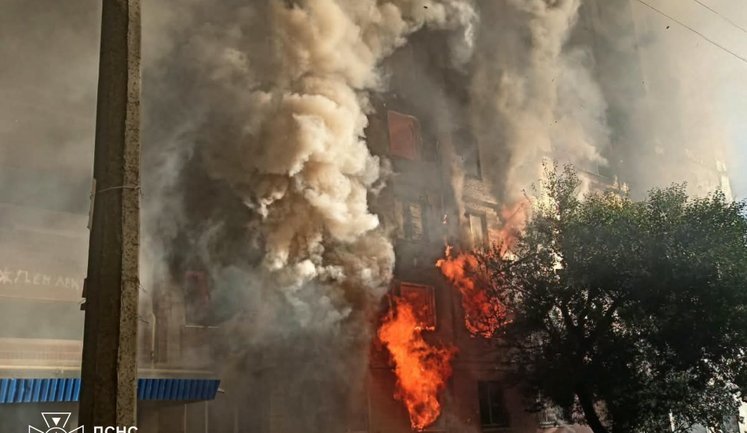
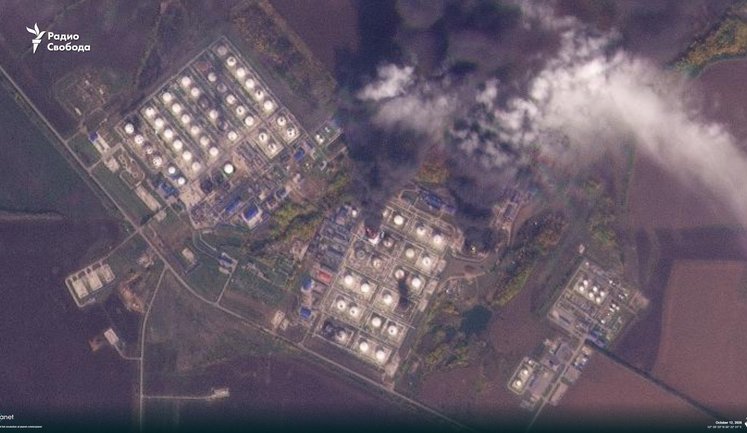
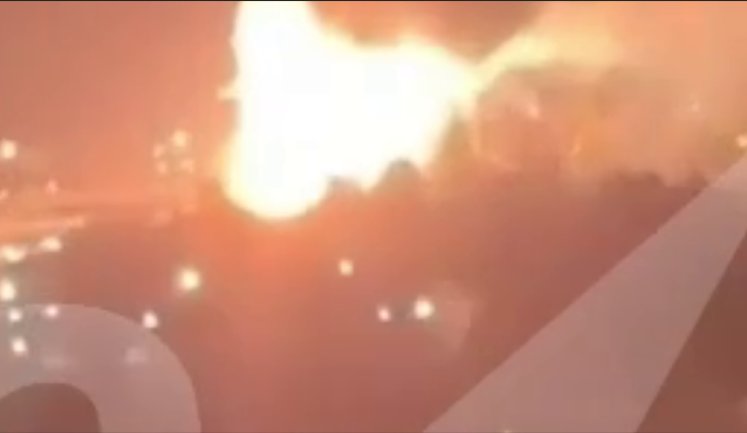
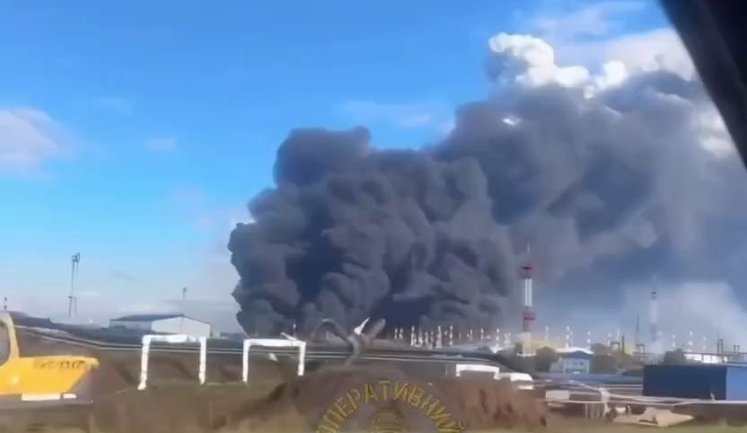
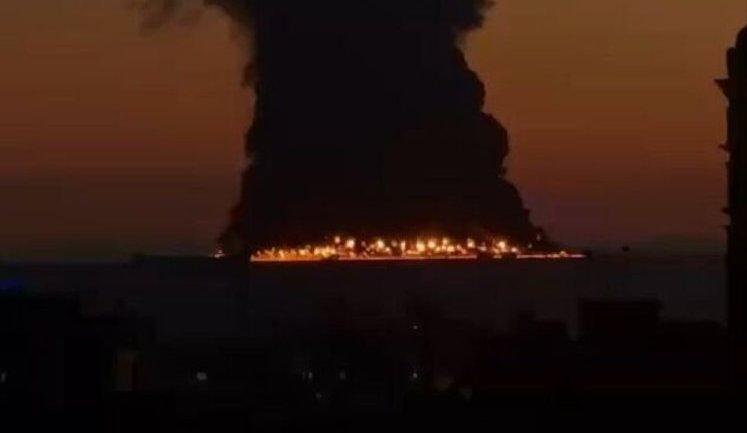
Numerous fire incidents related to ongoing military actions have been reported in Ukraine and Russia. In Kramatorsk, a Russian shelling ignited a fire in a block of flats, affecting 36 apartments. Meanwhile, a large-scale fire continues at Samara LPDS due to repeated drone attacks. In Kyiv, a Russian drone strike caused a fire in a 12-story building, leading to significant injuries and evacuations. These incidents reflect the escalating intensity of conflict, where fire hazards have become alarmingly frequent. Authorities continue their firefighting efforts amidst the threat of further attacks, highlighting the dire humanitarian situation.
What caused the fire in Kramatorsk's residential building?
The fire in Kramatorsk was caused by shelling from Russian forces, which set ablaze a nine-story residential building. The incident resulted in damage to 36 flats and numerous balconies, showcasing the severe impact of the ongoing conflict on civilian areas and infrastructure in Ukraine.
Is the fire at Samara LPDS in Russia under control?
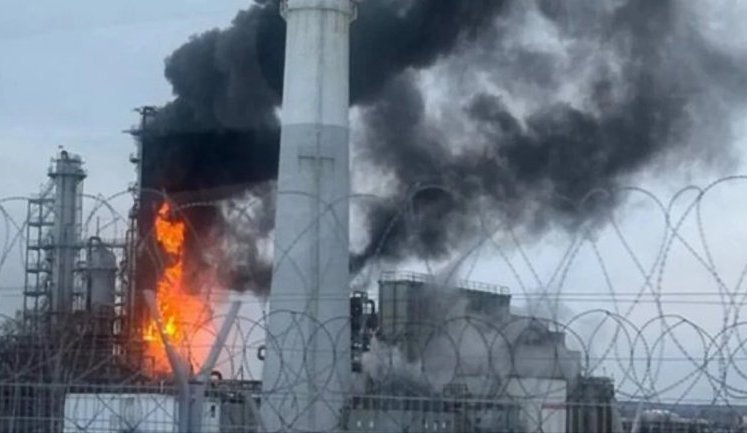
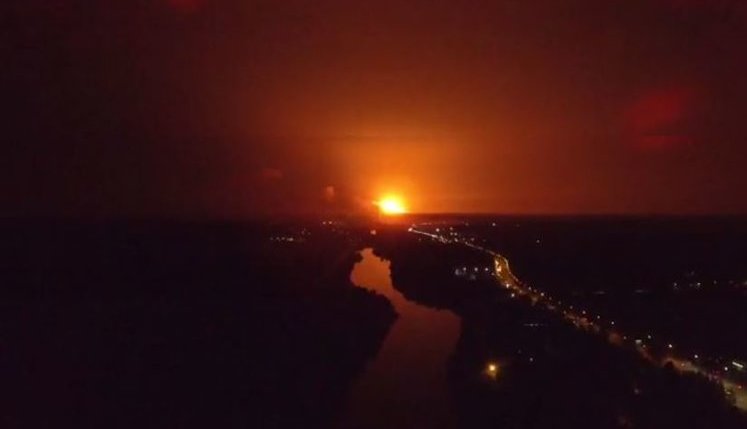
The fire at Samara LPDS, sparked by drone attacks, has not been fully contained. Despite ongoing attempts by local services, the situation remains critical, posing significant risks to nearby areas and requiring continuous monitoring and crisis management efforts to prevent further harm.
How did the fire in the Kyiv 12-story building start?
The blaze in Kyiv's 12-story building was initiated by a Russian drone attack. The incident resulted in injuries and led to the evacuation of residents. It exemplifies the dangers civil areas face amidst the military conflict, underlining the urgent need for effective defensive measures and humanitarian aid.
What is the extent of the fire damage in the Odesa region?
The Russian attack on the Odesa region resulted in warehouse damage by flames due to drones. The incident highlights the escalatory tactics employed by forces, causing structural destruction and necessitating comprehensive disaster response to manage these life-threatening events and minimize casualties.
How are rescue services managing fires in areas under attack?
Rescue services are actively battling fires across conflict zones despite continuous threats. Emergency response teams are deploying resources to contain fires, ensure civilian safety, and assess damages. Their persistence underscores dedication to protecting life and mitigating disaster amidst adversities.
What has been the impact of fires in Russian territory?
In Russian territories such as Samara and Pushkino, drone-related fires have disrupted local operations and heightened regional tensions. These incidents not only strain local emergency services but also illustrate the broader geopolitical tensions enhancing regional instability and risk factors.
Have agricultural areas been affected by the fires?
Agricultural regions, like those in Kharkiv, have suffered significant fire damage due to military actions. This not only threatens the local economy and food supply but also raises environmental and humanitarian concerns that require comprehensive intervention and support to ensure restoration.
What are the consequences of fires in Ukraine's forest areas?
Fires in Ukrainian forests, exacerbated by military strikes, have destroyed vast areas, disrupting ecosystems and posing long-term ecological threats. The rapid spread of these fires necessitates concerted efforts to control further environmental damage and support recovery efforts amid intensified conflict dynamics.
Are there any international efforts to assist in managing these fires?
International aid offers fire management support despite the complex logistics due to ongoing conflict. Humanitarian organizations focus on providing resources for civilian safety, firefighting supplies, and addressing the broader impact of these fires on public health and infrastructure stability.
What are some notable incidents of fires outside Ukraine?
Notable fire incidents outside Ukraine include the major blaze at the Proton-PM plant in Perm, Russia, and the burning of a logistics center in Dagestan. These events highlight broader security concerns and illustrate the extensive geographical reach of the military-induced crisis in the region.