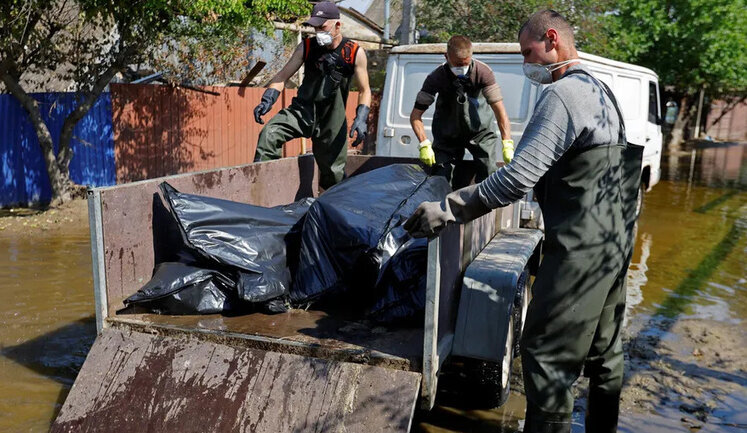
Drowning incidents continue to be a critical concern in Ukraine and surrounding regions. Recent reports have highlighted the recovery of a drowned man's body on the banks of the Tisza in Romania, marking the 39th tragic case since the Russian invasion. Additionally, images of the devastating flooding in the occupied Hola Prystan area in Kherson, which claimed several lives, have been published by Reuters. Such incidents underscore the ongoing risks and safety challenges posed by natural and human-induced disasters. As these tragedies unfold, it remains imperative for communities to be vigilant and authorities to enhance preventive measures to safeguard lives.
What are the recent drowning incidents reported in Romania?
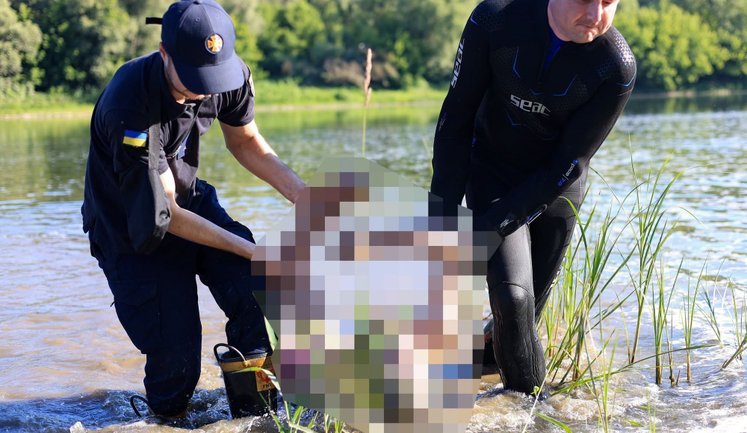
In Romania, the body of another drowned man was found on the banks of the Tisza River. This incident is part of a series of tragic events that have occurred since the Russian invasion of Ukraine, highlighting ongoing safety concerns in water-bound areas.
How has the conflict in Ukraine influenced drowning statistics?
Since the full-scale Russian invasion of Ukraine, there have been a notable number of drowning incidents, with the recent one on the Tisza marking the 39th case. The conflict has exacerbated safety challenges, contributing to increased risks of drowning.
What visual evidence exists of the Hola Prystan flooding's impact?
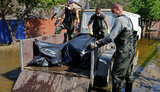
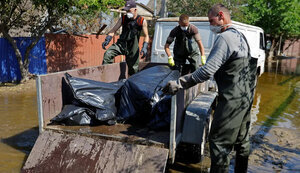
Reuters published a graphic photo showing the bodies of those who died in the flooding of the occupied Hola Prystan in the Kherson region. These images serve as a stark reminder of the devastating impact of natural disasters exacerbated by the ongoing conflict.
What measures are recommended to prevent drowning during such incidents?
Preventive measures include implementing effective flood management strategies, enhancing community awareness, providing timely emergency services, and ensuring robust infrastructure to mitigate the risks of drowning during conflicts and natural disasters.
What is the significance of the repeated drowning incidents in conflict areas?
The repeated drowning incidents in conflict areas such as Ukraine highlight the vulnerabilities and safety hazards people face during wars. These cases underscore the necessity for increased attention to humanitarian safety protocols and risk management strategies to protect lives amid unrest.