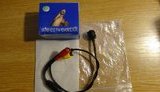
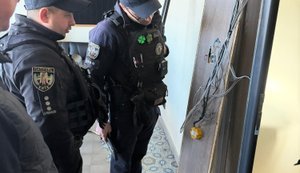
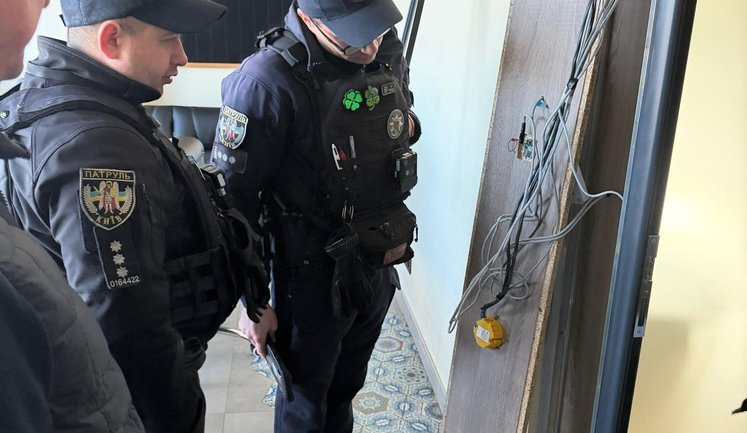
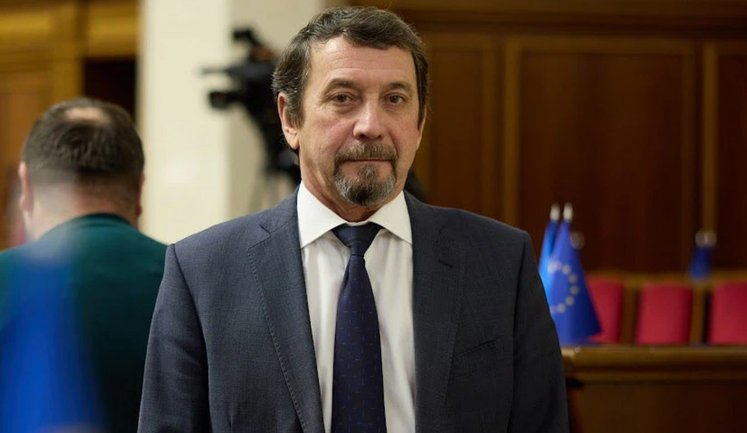
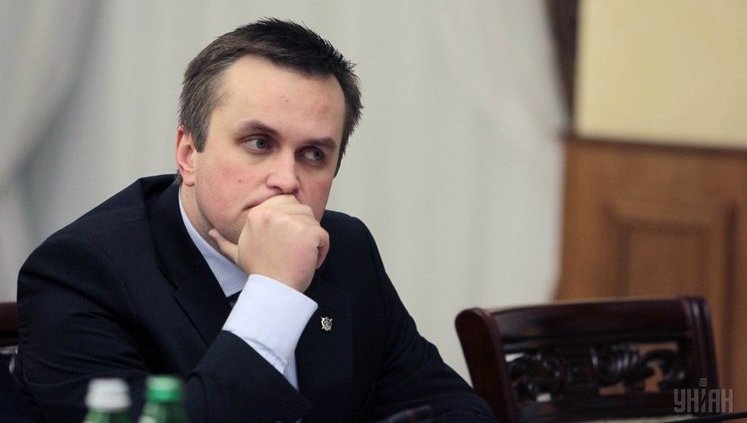
Wiretapping has become a significant issue in Ukraine, revealing the tension between political transparency and security concerns. The National Anti-Corruption Bureau (NABU) is at the forefront, with initiatives to expand their wiretapping capabilities independently by 2026. This development follows numerous incidents where listening devices have been discovered in offices of high-profile officials like Lviv Mayor Andrii Sadovyi and others associated with the Ukrainian government. The Security Service of Ukraine (SSU) and other agencies are also involved in negotiations about autonomous wiretapping, highlighting the complex legislative and operational landscape. Wiretapping practices have been a point of contention, raising concerns about privacy, political maneuvering, and the ethical boundaries within the current security apparatus in Ukraine.
What are the implications of NABU gaining independent wiretapping capabilities?
The National Anti-Corruption Bureau of Ukraine (NABU) gaining independent wiretapping capabilities could significantly impact their operational efficiency. While it may improve the speed and scope of investigations, it also raises ethical and privacy concerns among the public and political entities. This capability could redefine boundaries of surveillance and accountability within Ukraine's legal framework.
How do wiretapping activities affect political relations in Ukraine?
Wiretapping activities strain political relations in Ukraine by creating distrust among officials and parties. Discoveries of listening devices in government offices have fueled tensions, leading to allegations of misconduct and increased scrutiny on security agencies. These events emphasize the need for clear regulations to balance national security with political integrity.
Why is there controversy over wiretapping devices found in offices of Ukrainian officials?
The controversy stems from concerns about privacy violations and political espionage. Discoveries of wiretapping devices, such as those in the offices of Mayor Andrii Sadovyi and others, suggest potential breaches of trust and misuse of surveillance for political gains. Transparency in handling such incidents is crucial to maintaining public confidence.
What steps are being taken to regulate wiretapping by agencies like NABU and SSU?
Regulating wiretapping involves crafting comprehensive legislation that balances national security needs with citizens' rights to privacy. Agencies like NABU and the SSU are engaged in negotiations to define their roles and the extent of their wiretapping powers. Ensuring that these activities are conducted lawfully and ethically is a primary concern for lawmakers.
How does wiretapping relate to the broader security challenges faced by Ukraine?
Wiretapping is a critical tool for addressing security challenges in Ukraine, particularly in combating corruption and espionage. However, its misuse can undermine trust and stability. Ensuring transparent and accountable use of wiretapping capabilities is essential to maintaining a balance between effective security measures and respecting individual rights.