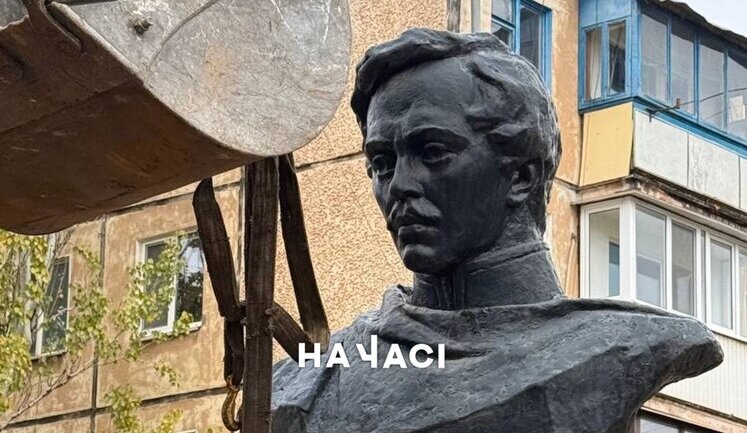
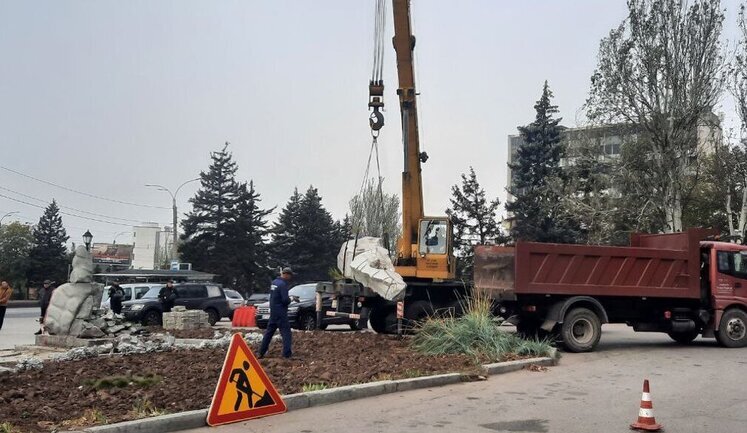
Recent events highlight the dismantling of monuments dedicated to Alexander Pushkin across Ukraine. With Odesa and Zaporizhzhia taking significant steps to remove these remnants, discussions about cultural heritage and its place in society have taken center stage. Kharkiv's initiative to rename Pushkinska Street emphasizes a shift towards honoring local figures. Meanwhile, in Russia, incidents near Pushkin monuments point to the ongoing discourse about their meaning. These actions reflect wider societal shifts against historically oppressive symbols, urging a reevaluation of past legacies and their impact on contemporary values.
Why are Pushkin monuments being dismantled across Ukraine?
Pushkin monuments are being removed in Ukraine due to growing sentiments against Russian cultural influence amidst ongoing conflicts. These actions symbolize a broader desire to distance from oppressive symbols and reclaim local heritage.
How has Odesa responded to calls for removing the Pushkin monument?
In Odesa, authorities have decided to dismantle the Pushkin monument following public demand. This decision aligns with local efforts to challenge oppressive symbols and foster a renewed appreciation for Ukrainian cultural figures.
What is the significance behind renaming Pushkinska Street in Kharkiv?
Kharkiv's proposal to rename Pushkinska Street reflects an initiative to replace Russian influence with local heritage figures like Skovoroda. This change signifies a commitment to honor national identity and cultural autonomy.
What impact might these changes have on Ukrainian society?
The removal of Pushkin monuments and related cultural shifts can foster a sense of national unity, emphasizing Ukrainian heritage. It also provokes discussions on historical narratives and their relevance in forging a contemporary identity.
How are Russian cultural elements being addressed in education?
The Ukrainian Ministry of Education plans to exclude Russian poets and writers from the school curriculum, representing a significant cultural shift. This move aims to prioritize Ukrainian authors, reflecting broader efforts to revitalize national culture.
What has been the reaction of local governments to these cultural changes?
Local governments like in Kharkiv and Zaporizhzhia have actively participated in these cultural changes by dismantling monuments and proposing new initiatives, signaling a collective response to public demands for transformation.
Are these actions supported by the Ukrainian people?
Many Ukrainian citizens support the removal of Pushkin monuments and related cultural shifts, viewing them as necessary steps towards reclaiming national identity and rejecting historical symbols linked to oppression.