The Commonwealth of Independent States (CIS) faces diminishing unity as Moldova and Ukraine make significant moves to withdraw from various CIS agreements. The Moldovan Parliament recently voted to denounce the founding documents of the CIS, signaling a decisive step away from the organization. Meanwhile, Ukraine has terminated 116 agreements with Russia and Belarus, aiming to adapt its legal framework to meet wartime conditions. These developments highlight a continuing trend of CIS member countries reassessing their partnerships within the bloc, often citing geopolitical tensions and changing national interests as driving factors. As such, the future of the CIS remains uncertain, with several member states choosing to distance themselves from past commitments.
What is the significance of Moldova withdrawing from the CIS?
Moldova's withdrawal from the CIS marks a pivotal shift in its foreign policy, moving away from post-Soviet ties towards potentially new alliances. This decision could impact regional cooperation and security dynamics within the CIS, leading to further fragmentation of the collective framework among member states.
Why did Ukraine terminate its agreements within the CIS?
Ukraine's decision to terminate agreements within the CIS largely stems from its need to adapt to current geopolitical challenges, including the conflict and wartime conditions it faces. This move reflects Ukraine's realignment towards European integration and consolidation of its national security.
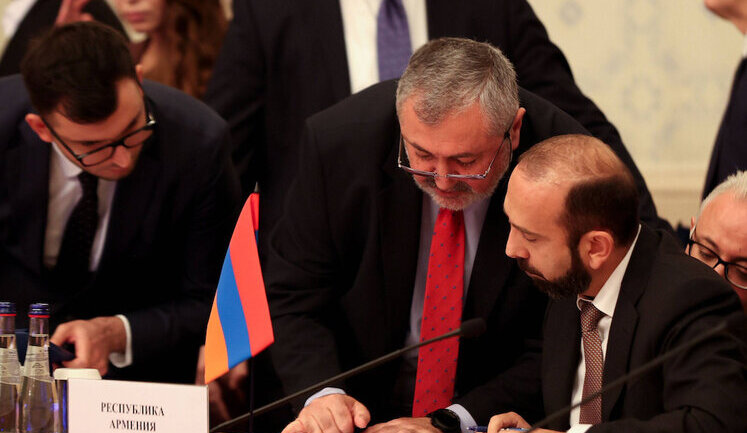
How does Armenia's stance at the CIS Moscow summit affect the organization?
Armenia's refusal to sign certain CIS statements at the Moscow summit indicates internal discord within the organization. Such actions could translate into reduced cohesion and cooperation, affecting the CIS's ability to effectively address regional issues and uphold unified policies.
What are the potential impacts of Ukraine's withdrawal from CIS agreements?
Ukraine’s withdrawal from CIS agreements potentially impacts not only regional diplomacy but also economic and security collaborations with other member states. It may lead to greater isolation from cooperative projects and necessitate Ukraine to seek new strategic partnerships outside the CIS framework.
How might CIS member states react to ongoing withdrawals?
The ongoing withdrawals from CIS agreements by member states such as Ukraine and Moldova may prompt remaining members to re-evaluate their commitments to the organization. There could be increased efforts to strengthen internal relations or conversely, a continued drift towards loosening ties depending on national interests.