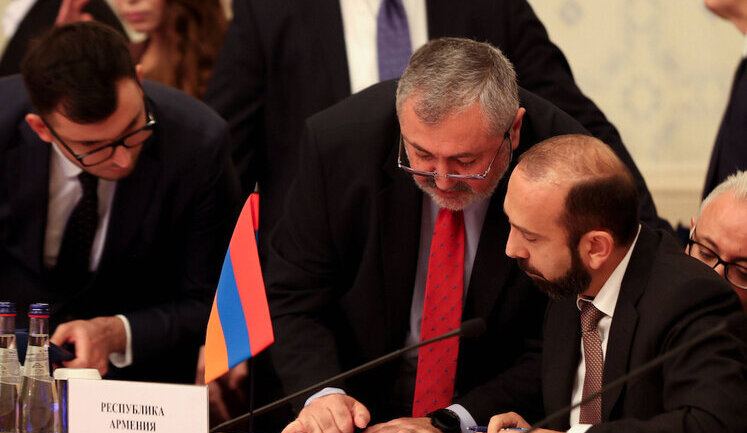
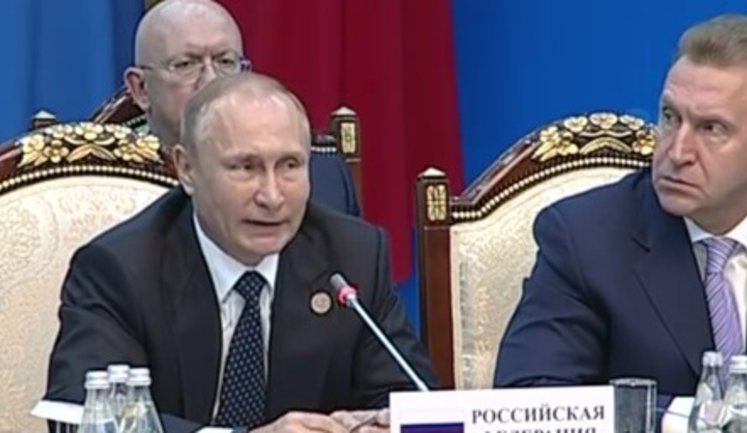
The Commonwealth of Independent States (CIS) is facing critical changes as member states reassess their commitments. Recently, Armenia chose not to sign two statements at a summit in Moscow, highlighting a growing trend of countries reevaluating their engagements with the CIS. Ukraine has been particularly active, withdrawing from multiple agreements over the years. In 2024, Ukraine withdrew from three agreements, following an earlier move to exit three others in 2019. Moldova also took a decisive step by breaking a military agreement with the CIS. These actions reflect shifting political dynamics within the region, as members respond to internal and external factors, with implications for geopolitical alliances and regional stability.
Why did Armenia refuse to sign CIS statements at the Moscow summit?
Armenia's refusal to sign the CIS statements at the Moscow summit indicates a reassessment of its commitments within the Commonwealth of Independent States, potentially driven by regional geopolitical tensions and national policy shifts.
What agreements has Ukraine withdrawn from the CIS in recent years?
Ukraine has systematically withdrawn from several CIS agreements, including three in 2024, and previously in 2019 and earlier. This reflects Ukraine's strategic realignment and distancing from the CIS framework amidst ongoing geopolitical tensions.
How is Moldova's decision to break the military agreement with the CIS significant?
Moldova's decision to end its military agreement with the CIS underscores a shift in its defense policy possibly towards greater alignment with European structures, reflecting broader geopolitical realignments in the region.
What impact does Ukraine's withdrawal from CIS agreements have on regional stability?
Ukraine's withdrawal from CIS agreements affects regional stability by altering security and economic dynamics, potentially encouraging other nations to reassess their own CIS commitments amidst a climate of increased political independence and realignment.
What does the CIS future look like with these recent developments?
The future of the CIS appears uncertain as member states like Ukraine and Moldova re-evaluate their participation, potentially leading to a reconfiguration or weakening of the organization unless strategic dialogue and cooperation can be revitalized.
How does the CIS function amidst members withdrawing agreements?
The CIS functions as a regional organization despite the withdrawal of agreements by some members, yet these developments challenge its cohesion and its ability to project unified policies and initiatives, necessitating strategic reassessment and adaptation.
What are the alternatives for countries leaving the CIS?
Countries leaving the CIS may seek alternative regional alliances, particularly within European frameworks or other international organizations, to enhance security, economic cooperation, and political support amidst evolving regional dynamics.
How has the CIS adapted to changes in member participation?
The CIS attempts to adapt by fostering dialogue and cooperation among remaining members, yet withdrawals pose significant challenges, necessitating innovative diplomatic strategies and possibly reform to maintain relevance and effectiveness.