The geopolitical landscape of energy transit in Europe faces significant challenges in 2026. The U.S. has proposed an innovative approach to reintroduce Russian gas to Europe through the Ukrainian gas transmission system, suggesting the involvement of an American intermediary to maneuver around EU sanctions. This strategic proposal highlights the pivotal role of Ukraine in mitigating energy shortages amidst growing energy needs. Meanwhile, Russia's decision to halt oil transit through the Druzhba pipeline reveals its strategic leverage. Ukraine's staunch position against stopping oil transit is underscored by treaty obligations with the EU. These multifaceted transit issues remain crucial in shaping the European energy sector's future as political dynamics continuously evolve.
What is the U.S. proposal regarding Russian gas transit to Europe?
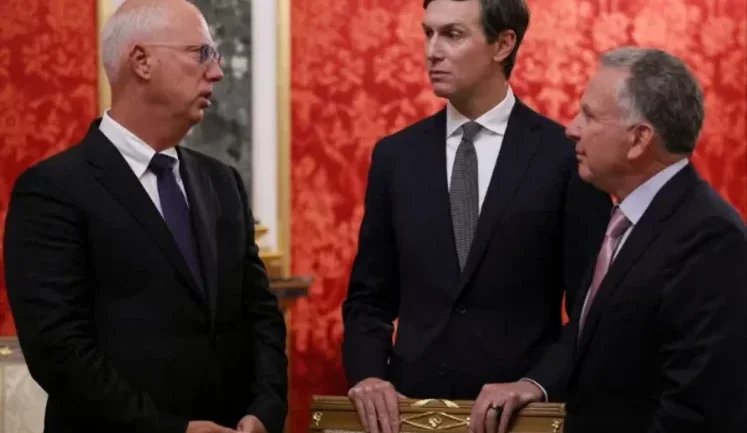
The U.S. proposes allowing Russian gas to reach Europe through Ukraine, using an American intermediary to bypass existing EU sanctions. This move aims at restoring gas supplies, reinforcing Ukraine's role in European energy transit and ensuring energy security amid geopolitical tensions.
Why is Russia halting oil transit through the Druzhba pipeline?
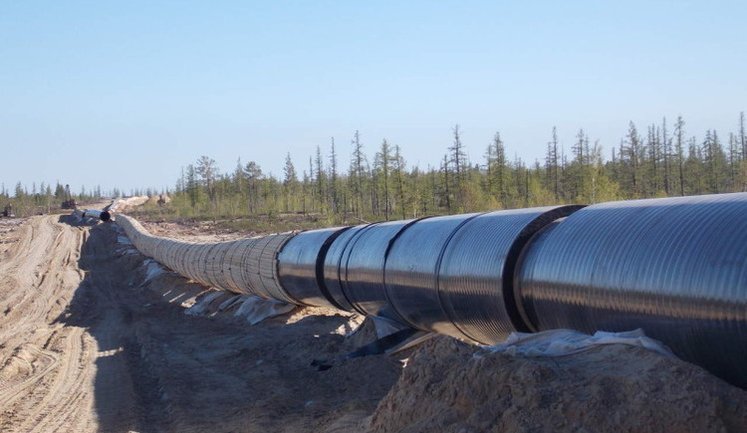
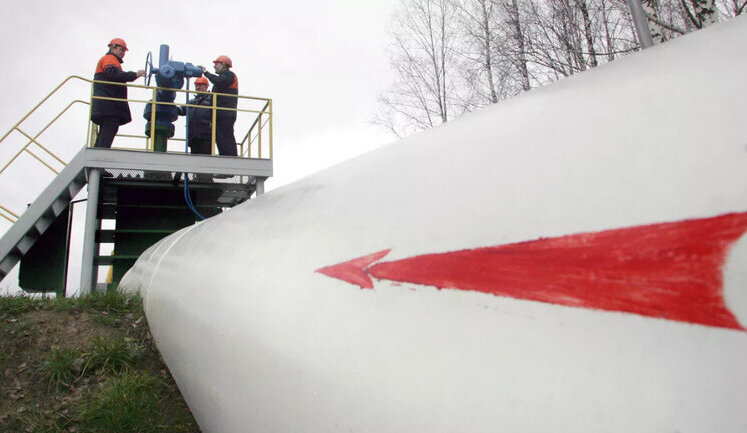
Russia plans to halt oil transit to Germany via the Druzhba pipeline to potentially exercise geopolitical influence and signal its capability to impact energy supplies, aligning with broader strategic goals. This action adds complexity to Europe's energy landscape as the continent seeks diversification.
How could stopping oil transit affect Ukraine's relations with the EU?
Halting oil transit through Ukraine could breach agreements with the EU, damaging diplomatic relations and potentially facing EU legal actions. Ukraine, however, plans to uphold treaty obligations, maintaining its reliability as a critical transit route for European energy needs.
What stance is Hungary taking on Russian energy transit policies?
Hungary, through Foreign Minister Péter Szijjártó, has threatened to block Ukraine's EU integration path by stopping the transit of Russian energy during martial law. This stance emphasizes Hungary's strategic positioning in the regional energy transit framework and its geopolitical interests.
How is the EU preparing for changes in Russian gas transit through Ukraine?
The EU, as stated by European Commissioner Simson, is ready to stop Russian gas transit via Ukraine by the end of current contracts. This readiness aligns with broader EU strategies to reduce dependency on Russian energy and ensure resilient energy supply networks across member states.