Tourism in 2026 faces significant influences from geopolitical atmosphere and policy shifts. In Crimea, hotels offered gasoline incentives, indicating resource scarcity and promotional creativity to attract tourists. Zakarpattia's local leaders urge for tourism development support, emphasizing potential in mountain communities. Meanwhile, several European nations, including the Czech Republic and Finland, contemplate additional entry restrictions for Russian tourists, aligning travel policies with current geopolitical realities. Calls to restrict Russian travel underline regional policy alignments, affecting tourism trends significantly. Concurrently, Turkey's dual approach towards tourists from conflicting regions highlights diplomatic challenges in balancing international relations and economic incentives through tourism.
What strategies are hotels in Crimea using to attract tourists?
Hotels in occupied Crimea have adopted unique strategies to attract tourists, such as offering gasoline as a complimentary gift for room reservations. This indicates an innovative approach to lure visitors amidst resource scarcities. However, such offers were short-lived due to an exhaustion of supplies, showcasing the challenging economic conditions in the region.
Why is the Zakarpattia region in Ukraine focusing on tourist resort development?
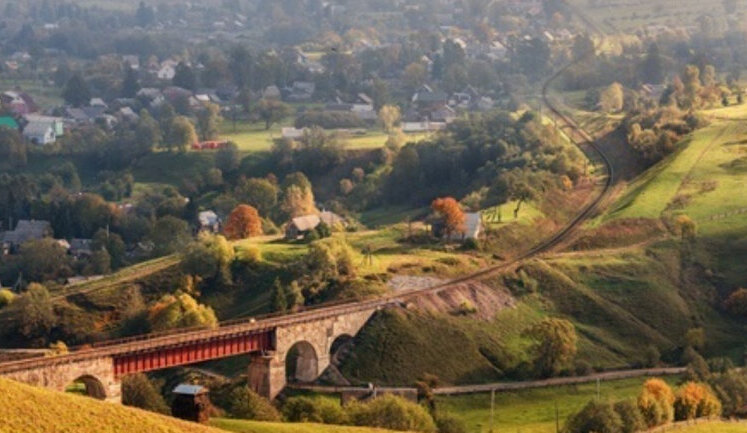
Mountain communities in Zakarpattia are appealing to regional authorities for supporting tourism resort development to boost economic growth and exploit natural attractions. The local focus on resort advancement aims to catalyze economic activity and enhance regional appeal through tourism-driven revenues and infrastructural investments.
Which European countries are considering a ban on Russian tourists?
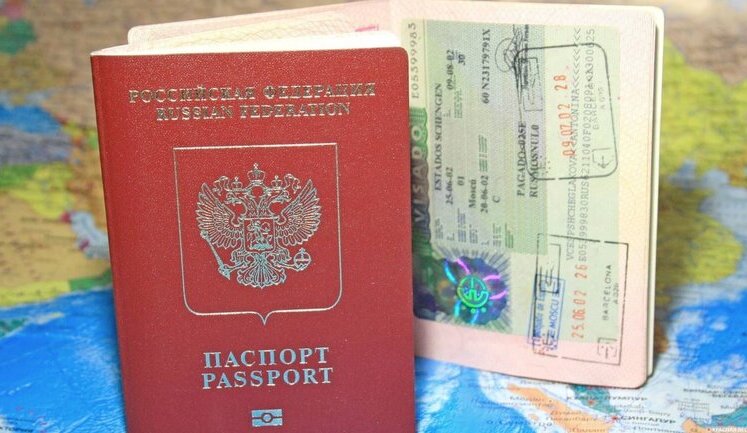
Czech Republic, along with Baltic nations and Finland, is contemplating a ban on Russian tourists due to ongoing geopolitical tensions. These countries are considering tightening visa regulations for Russians, aligned with broader European Union geopolitical strategies to manage regional security concerns and policy compliance.
What is the stance of Finland's Prime Minister regarding Russian tourists?
Finland's Prime Minister, Sanna Marin, advocates for restricting the entry of Russian tourists to EU countries, citing fairness and security concerns. Her stance reflects broader discussions in Europe concerning the implementation of uniform travel policies that consider geopolitical actions and their implications on regional security.
How did Cyprus respond to Covid-19 travel policies for Ukrainians?
Cyprus maintained specific entry requirements for Ukrainian tourists during and post-COVID-19. The country initially required PCR tests but waved them for vaccinated Ukrainian tourists, exemplifying adaptive travel policies in response to public health guidelines, aiming to balance safety and economic recovery through tourism.
What criticisms has Turkey faced regarding its tourism policies?
Turkey faced criticism for developing new tourist routes for Russians while politically supporting Ukraine. This dual strategy highlights the complexities in international tourism policies where economic benefits from tourism are counterbalanced with political alliances and pressures within international diplomatic landscapes.