ENG


13997 visitors online
The Ukrainian Orthodox Church of Kyiv Patriarchate (UOC KP) has been a pivotal institution in Ukraine's religious landscape. With the recent passing of Patriarch Filaret at 98, his leadership and vision for an independent Ukrainian church remain influential. The UOC KP has continuously navigated the complexities of church politics, as evident in meetings between the clergy of OCU and UOC aimed at overcoming divisions. The pursuit of autocephaly has been a significant journey for the church, with supporters anticipating further steps under the oversight of the Ecumenical Patriarchate. Despite challenges, including geopolitical pressures, the church's determination for independence and unity remains steadfast. The contributions of the UOC KP towards Ukraine's cultural and spiritual identity are profound.
What is the significance of UOC KP in Ukraine?
The Ukrainian Orthodox Church of Kyiv Patriarchate plays a crucial role in advocating for an independent religious identity separate from the Moscow Patriarchate. It symbolizes the cultural and spiritual emancipation of Ukraine, aiming for autocephaly and unity within the Ukrainian religious community.
How did Patriarch Filaret influence the UOC KP?
Patriarch Filaret was instrumental in shaping the UOC KP, pushing for its independence and establishing its identity against external influences. His leadership was pivotal in advancing the cause for autocephaly and strengthening the church's role in Ukrainian society.
What are the challenges faced by the UOC KP?
The UOC KP faces challenges such as geopolitical pressures from Russia, inter-church dynamics with the Orthodox Church of Ukraine, and the struggle to unify various Orthodox believers in Ukraine under an autocephalous church framework. These factors require strategic and diplomatic efforts.
Why is autocephaly important for the UOC KP?
Autocephaly is crucial for the UOC KP as it signifies ecclesiastical independence, allowing the church to self-govern without external control. This is vital for fostering national unity and preserving Ukraine's spiritual sovereignty amidst external influences.
What steps have been taken towards achieving autocephaly?
Efforts towards autocephaly include engaging in dialogue with the Ecumenical Patriarchate, organizing unification councils, and obtaining the Tomos of Autocephaly. Collaborative meetings with Orthodox Church representatives further aim to solidify this status for the UOC KP.
How does the UOC KP view its relationship with the Moscow Patriarchate?
The UOC KP seeks to establish its independence from the Moscow Patriarchate, emphasizing Ukraine's right to a separate religious path. This stance is crucial for defining Ukraine's religious and cultural autonomy, distinct from Russian influence.
What has been the historical context leading to the current status of UOC KP?
Historically, the UOC KP emerged as a response to the need for an independent Ukrainian church, free from the Moscow Patriarchate's jurisdiction. Over decades, it has navigated political and ecclesiastical challenges to assert its autonomy in the Orthodox Christian world.
News UOC KP
 Patriarch Filaret died at age of 98 Honorary Patriarch Filaret has died at the age of 98. 8 433 31 Previously in trend: Patriarch Filaret has died
 Representatives of clergy of OCU and UOC met to overcome division On July 5, representatives of the clergy of the Orthodox Church of Ukraine and the Ukrainian Orthodox Church held a meeting on the territory of Sophia of Kyiv. 18 277 45
 Filaret asks Ukraine's Interior Minister to protect Ukraine's Orthodox Church of Kyiv Patriarchate The Head of the Church fears cases of raiding Ukraine's Orthodox Church of Kyiv Patriarchate. 12 472 227
Filaret urgently calls local council to "resurrect" Kyiv Patriarchate Honorable Patriarch of the Orthodox Church of Ukraine (OCU) Filaret has set a date for an urgent local council, during which he wants to officially resume the activities of the Ukrainian Orthodox Church of the Kyiv Patriarchate (UOC-KP). 32 645 338 Previously in trend: Creation of local church
 Tomos of church autocephaly will not be revoked - Poroshenko's adviser Pavlenko If the conditions set out in the tomos are not violated, if the church does not revise or amend it, revoking the tomos is off the table. 5 794 34 Previously in trend: Creation of local church
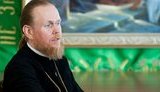 Newly elected primate of Ukraine's local Orthodox Church to be handed Tomos of Autocephaly in Constantinople on Jan. 6, - Archbishop Yevstratii (Zoria) The Ecumenical Patriarch is to hand in the Tomos of Autocephaly to the future primate of the local Orthodox Church in Ukraine in Constantinople on Jan. 6, 2019. 14 128 117 Previously in trend: Creation of local church
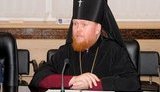 Kyiv Patriarchate says arrangements for church unification assembly still underway, date not yet confirmed Media reports that the date for holding a unification assembly of the Orthodox Church in Ukraine has allegedly been chosen are just rumors. 10 204 165 Previously in trend: Creation of local church
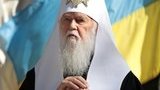 It's up to Ecumenical Patriarch to decide when church unification council should be held, - Filaret Head of the Ukrainian Orthodox Church of the Kyiv Patriarchate (UOC-KP) Filaret says he can not name the date of the convocation of the Unification Council of the Ukrainian Orthodox churches for it depends on the Ecumenical Patriarch. 3 216 20 Previously in trend: Creation of local church
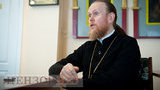 Lavras belong to state, their handover to pass off without violence, Kyiv Patriarchate spokesperson says Archbishop Yevstratii (Zoria), the press secretary of the Ukrainian Orthodox Church of the Kyiv Patriarchate (UOC-KP), says the Ukrainian Orthodox monasteries, namely the Kyiv-Pechersk, Pochaiv and Sviatohirsk lavras, should belong to the Ukrainian church. 19 382 84 Previously in trend: Creation of local church
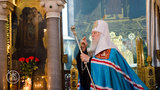 Kyiv Patriarchate urges Ukraine's church heads to get ready for special unification council Head of the Ukrainian Orthodox Church of the Kyiv Patriarchate (UOC-KP) Filaret has urged the hierarchs of the Ukrainian Autocephalous Orthodox Church (UAOC) and the Ukrainian Orthodox Church of the Moscow Patriarchate (UOC-MP) to prepare for a special unification council to approve the decision on church unity. 27 769 140 Previously in trend: Creation of local church
 Kyiv Patriarchate expects fruitful cooperation with Ecumenical Patriarchate Exarchs in preparations for granting autocephaly to Ukraine's Orthodox Church, - Archbishop Yevstratii Exarchs will represent Ecumenical Patriarch and the church in performing preparations for the provision of autocephaly. 10 146 81 Previously in trend: Creation of local church
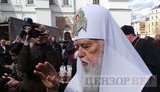 Patriarch Filaret expects Kyiv-Pechersk, Pochaiv Lavras to be run by Ukrainian Church after it receives Tomos of Autocephaly When Ukrainian Orthodox Church of the Kyiv Patriarchate is granted Tomos of Autocephaly, the Kyiv-Pechersk and Pochaiv Lavras will no longer be run by the Ukrainian Orthodox Church under the Moscow Patriarchate. 46 291 239
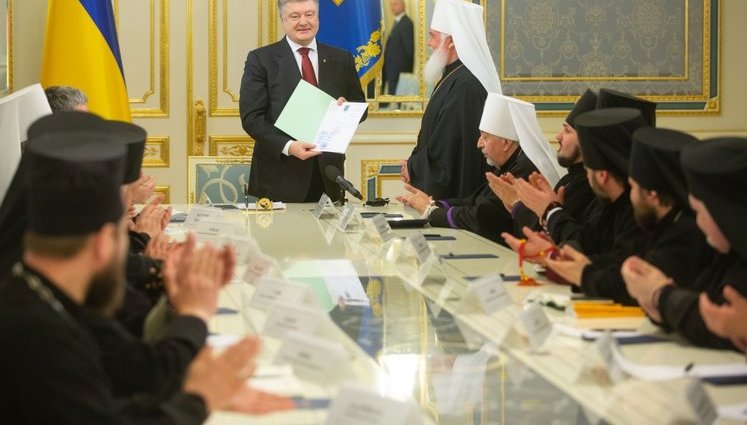
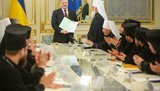 Poroshenko meets with primates of Ukraine's orthodox churches to discuss receiving Tomos of Autocephaly. PHOTOS President of Ukraine Petro Poroshenko met with the Primates of the Orthodox Churches of Ukraine and formally accepted the Appeal on granting the Tomos of Autocephaly to the Ukrainian church signed by all the hierarchs who supported this decision to convey it to Ecumenical Patriarch Bartholomew. 66 296 229 Previously in trend: Creation of local church
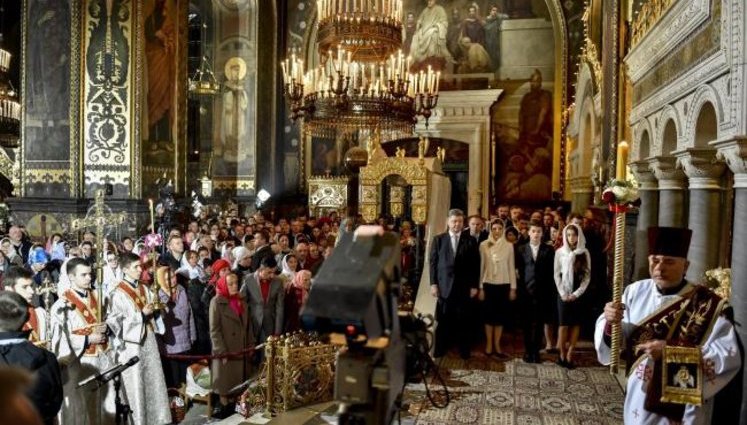
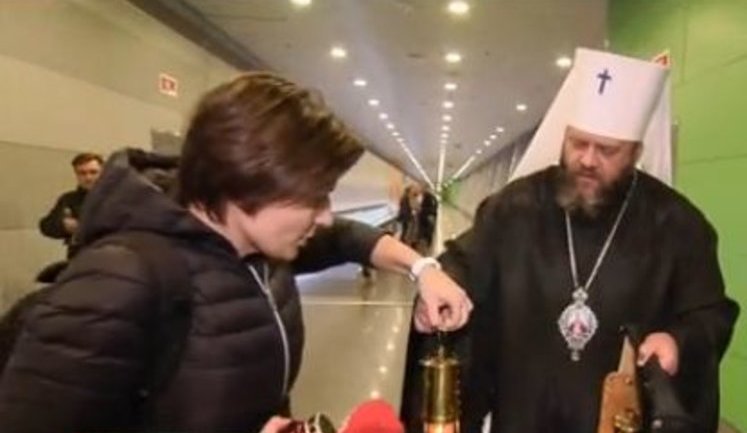
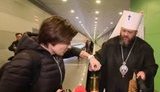 Holy Fire brought to Kyiv. VIDEO Delegation of Ukrainian Orthodox Church of the Kyivan Patriarchate was the first to bring Holy Fire from Jerusalem to Ukraine. 20 247 192
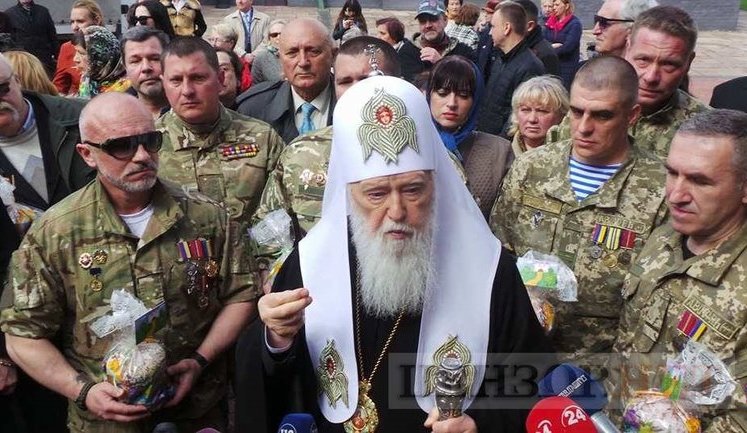
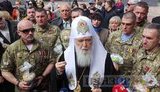 "May the Lord lead us to victory," - Filaret consecrated Easter eggs and cakes for Ukrainian military. PHOTOS+VIDEO His Holiness Patriarch of Kyiv and All Rus-Ukraine Filaret has consecrated Easter eggs and cakes for Ukrainian soldiers in the anti-terrorist operation (ATO) zone. 8 738 25
Putin hopes to bring Ukraine to heel through Russian Orthodox Church and enslave us again, - Patriarch Filaret Primate of the Ukrainian Orthodox Church of the Kyiv Patriarchate, Patriarch Filaret believes that Russian President Vladimir Putin hopes to subjugate Ukraine through the Russian Orthodox Church. 31 254 88
Constantinople to help revive traditions existing long before the Treaty of Pereiaslav and annexation of Ukraine Patriarchate of Constantinople will do its utmost to help Ukraine create a united local Orthodox church. This was announced by the head of the Ukrainian Orthodox church in the United States and Canada - metropolitan Yurij (Kalistchuk), who is one of the representatives of the Archbishop of Constantinople, Ecumenical Patriarch Bartholomew I. 89 967 511
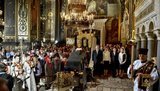 President Poroshenko attended vespers in cathedrals of three Eastern Christian denominations in Kyiv. PHOTOS On Easter night the President of Ukraine Petro Poroshenko and his family visited services in three cathedrals in Kyiv representing three Eastern Christian denominations. 40 839 171
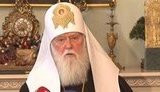 Customs Union is a Step to Empire, Head of Ukrainian Orthodox Church Filaret The Primate of the UOC-KP shared his opinion about the foreign policy of the country. 23 256 1 842 Previously in trend: Union with Russia
 Holy Fire brought to Kyiv. VIDEO 20 247192


