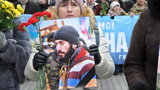
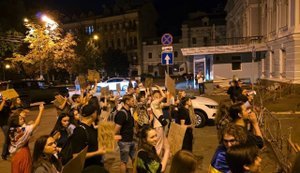
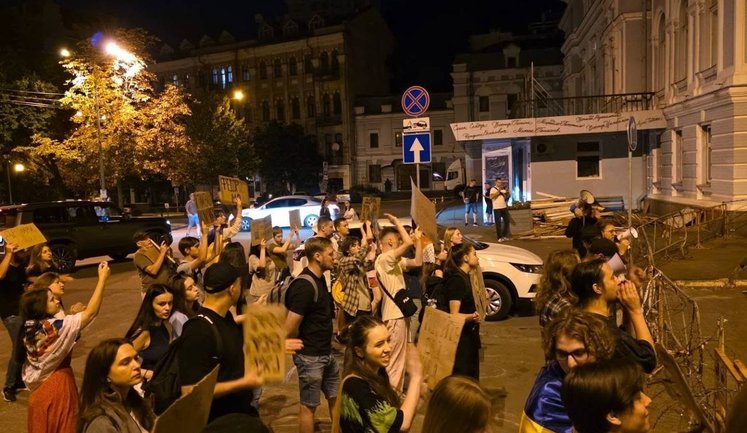
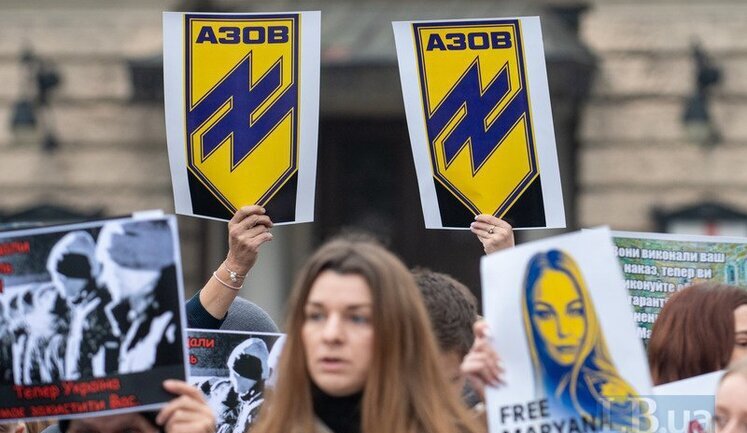
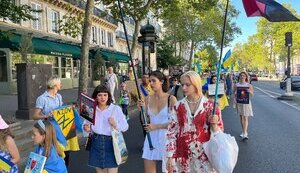
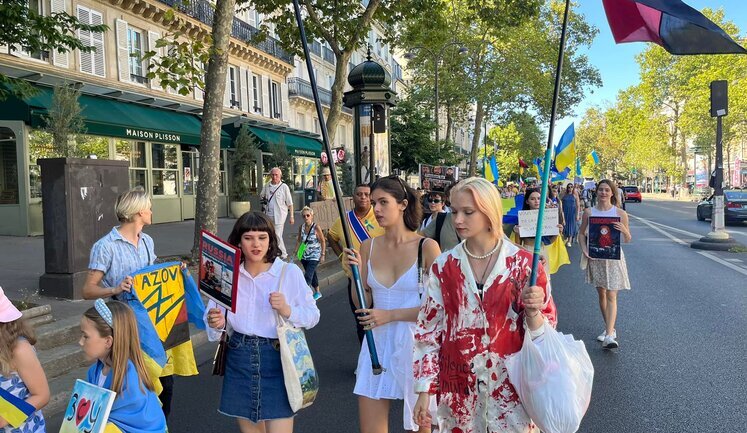
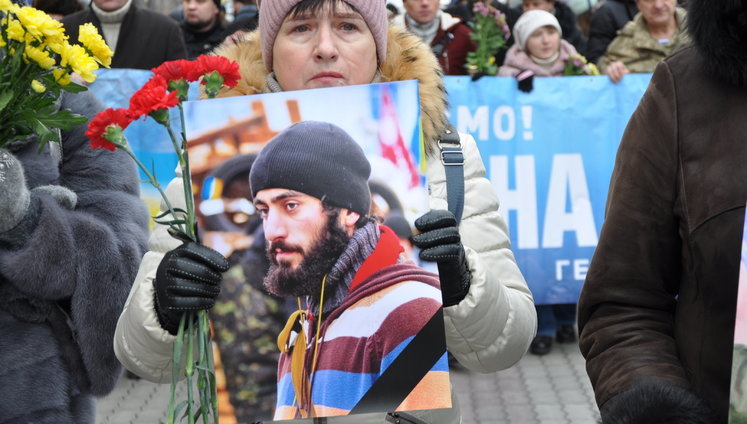
Walk marches in Ukraine and across Europe have become powerful expressions of demands and remembrance over recent years. In 2026, Ukraine sees significant momentum as rallies for Mykhailo Fedorov's reinstatement as Minister of Defence draw large crowds. Concurrently, the March in Lviv brings attention to the plight of captured Mariupol defenders. In Paris, a march supports Ukraine by urging the world to recognize Russia as a terrorist state and save Azovstal's captured soldiers. These events showcase the power of unified walks in spotlighting pressing issues like political injustice and historical remembrance, especially in times of conflict and turmoil. The wave of protests serves not only to demand political actions but also to commemorate national heroes and resist ongoing aggression.
What is the significance of the rallies calling for Fedorov's reinstatement?
The rallies calling for Mykhailo Fedorov's reinstatement as Ukraine’s Minister of Defence reflect significant public dissent with current political decisions. These marches demonstrate the populace's desire for leadership they trust, especially during tumultuous times. The demand for Fedorov underscores broader dissatisfaction and the public's involvement in advocating for political change and accountability in government positions.
How do the marches in Lviv and Paris relate to the situation in Azovstal?
The marches in Lviv and Paris highlight international and national demand for action concerning the defenders of Azovstal, who remain captured. In Lviv, families rally to raise awareness and demand their loved ones' safety and release. Meanwhile, in Paris, the march serves as a call for international recognition of Russia's actions as terrorism and to free those captive. Both walks aim to amplify the defenders' plight and rally support for their cause.
Why were OUN activists involved in attacking the Immortal Regiment march?
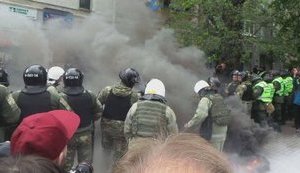
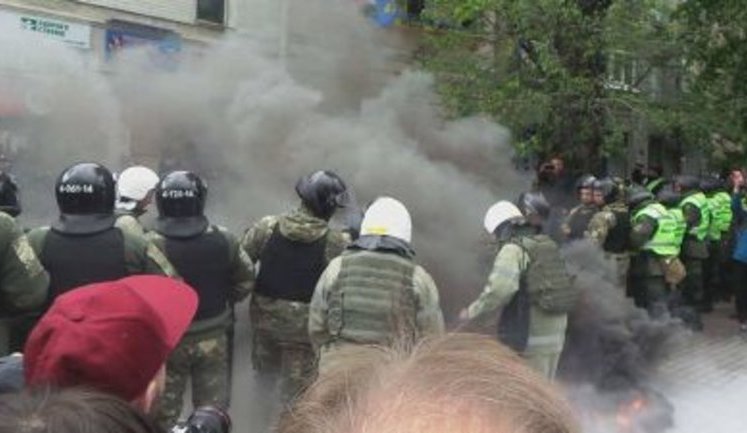
The OUN activists' attack on the Immortal Regiment march in Kyiv was motivated by ideological clashes. The Immortal Regiment, commemorating Soviet war veterans, was viewed by the OUN activists as conflicting with their nationalist sentiments, leading to confrontations marked by eggs, paintballs, and smoke flares. This reflects ongoing tensions between historical narratives and national identities within Ukrainian society.
What was the focus of the torchlight procession held by National Corps and Right Sector?
The torchlight procession organized by National Corps and Right Sector outside the Rada and Cabinet in Kyiv aimed to manifest political strength and assert influence over national dialogue. It underscores patriotism and strong nationalism, with participants advocating for Ukraine's sovereignty and political reforms. These marches serve as a visible assertion of political ideologies and commitment to national defense.
What implications did the banned religious procession in Kyiv have?
The banning of a religious procession by Ukraine's Interior Ministry in Kyiv, due to security threats, highlights the delicate balance between civil liberties and public safety. Such bans, while seen as necessary for preventing unrest, often lead to public debate over rights and governmental authority. It illustrates the complexity of managing public events in politically charged environments, particularly in areas with volatile political climates.
How do international protests like those in Portugal influence the global perception of Russia?
International protests, such as those in Portugal against Russian aggression, play a critical role in shaping global perceptions and narratives. These demonstrations, especially when facilitated by diaspora communities, help maintain international focus on geopolitical conflicts, rally support, and influence foreign policy by showcasing widespread opposition to Russia's actions in Ukraine. They serve as a mechanism for advocacy and awareness on an international stage.