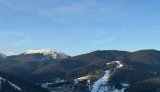
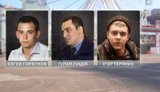
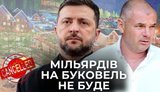
Bukovel, Ukraine's premier resort, has taken a significant step by launching an online dashboard that monitors air and water quality, ensuring transparency and accessibility. Meanwhile, real estate investments in Bukovel have drawn attention, as families of Cyber Police operatives and officials have acquired luxurious properties attracting scrutiny. Furthermore, the publicity around a planned 9 billion hryvnia road funding project, linked to MP Ihor Palytsia's interests in Bukovel, has halted its progress. Legal actions also make headlines, with convictions related to counterfeit goods drawing public interest.
What measures is Bukovel taking to ensure air and water quality?
Bukovel resort has implemented an online dashboard that provides real-time updates on air and water quality. This initiative aims to promote transparency and keep residents and visitors informed about environmental conditions.
Who are the recent investors in real estate in Bukovel?
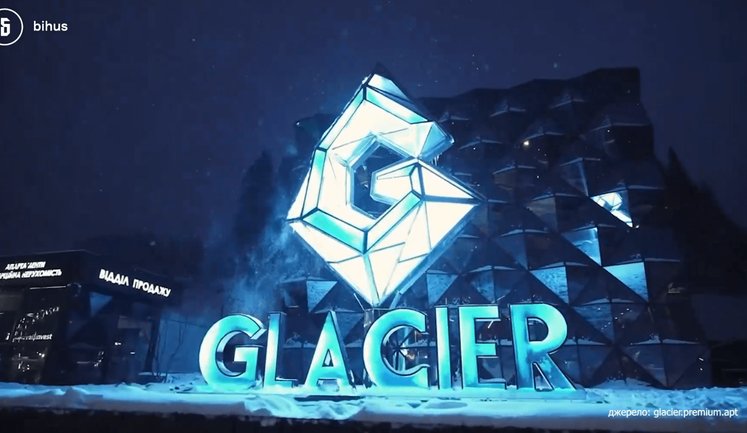
Recent investors in Bukovel's real estate include the families of Cyber Police operatives and relatives of prosecutors. Their acquisition of high-value properties such as the Glacier Premium Apartments has sparked media and public interest.
What was the outcome of the planned road funding for Bukovel?
The planned allocation of 9 billion hryvnias for road development to Bukovel was halted. Public scrutiny helped bring attention to potential biases related to the interests of MP Ihor Palytsia, leading to the project's reassessment.
What was the controversy involving the Cyber Police and real estate?
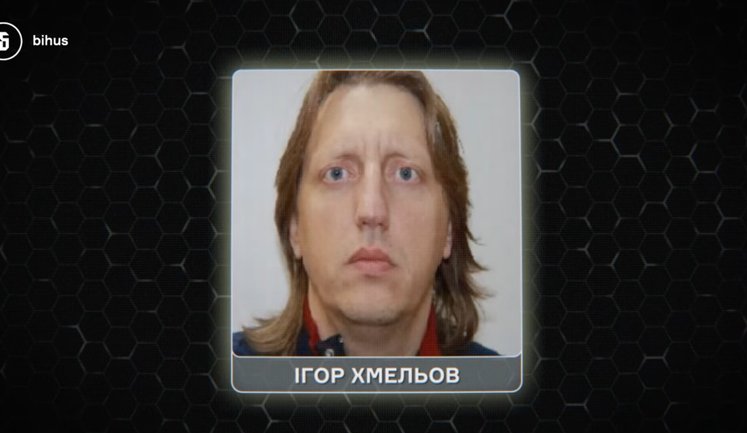
The controversy lies in the newfound wealth of Cyber Police operatives, who have acquired significant real estate in Bukovel. This has led to speculation about the origins of their financial resources, prompting further inquiry.
How did the judges deal with offensive behavior in Bukovel?
In Bukovel, judges dealt with an incident involving the sale of counterfeit goods by imposing fines rather than prison sentences. The decision has been a topic of debate regarding appropriate legal repercussions for such offenses.
What makes Bukovel a focal point for real estate investment?
Bukovel attracts real estate investment due to its status as a top tourist destination in Ukraine. Its growing infrastructure and luxurious accommodations, like the Glacier Premium Apartments, make it an appealing location for investors.