Recent developments highlight significant shifts in the status and use of the Russian language across multiple countries. In Vilnius, authorities have ceased accepting applications in Russian to promote integration and uphold the national language. Similarly, Lithuania has countered Russian claims of deportations as misinformation. Ukraine, under President Zelenskyy, has removed the Russian language from European Charter protections, signaling a move towards solidifying Ukrainian as the sole state language. In parallel, Latvia is phasing out Russian as a secondary foreign language in schools. These decisions reflect a broader trend of reinforcing national identity and integration with European frameworks amid ongoing regional tensions.
What changes have occurred in Vilnius regarding the Russian language?
Vilnius City Hall will no longer accept written applications or correspondence in Russian. This decision is part of efforts to reinforce the official language and improve the integration of foreigners into Lithuanian society. The change aims to promote the use of the national language and diminish reliance on Russian amidst evolving geopolitical contexts.
Why did Lithuania dismiss claims of deporting Russian speakers?
The Lithuanian State Security Department refuted allegations of deportations of Russian-speaking residents as propaganda. The claims were deemed false and are viewed as an attempt by the Russian Federation to sow misinformation. Lithuania's response underscores its commitment to countering such narratives amidst regional tensions.
How has Ukraine's legal stance on the Russian language evolved?
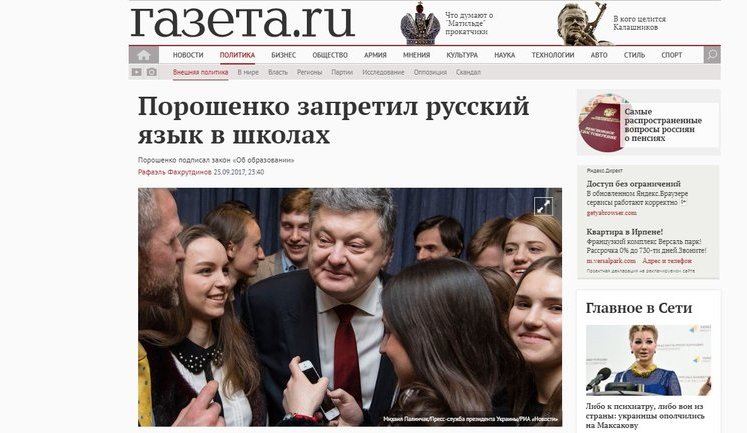
President Zelenskyy of Ukraine signed a law removing the Russian language from protections under the European Charter for Regional or Minority Languages. This legal change reflects Ukraine's efforts to strengthen the status of Ukrainian as the sole national language, aligning with broader EU integration goals and reducing Russian cultural influence.
What educational changes regarding the Russian language are occurring in Latvia?
Latvia is gradually eliminating Russian as a second foreign language option in schools, transitioning to EU languages instead. This shift is part of a broader effort to align educational practices with EU standards and reduce Russian influence within the educational system, emphasizing European integration and identity.
What was the motivation behind shifting language policies in Dnipro?
The city of Dnipro implemented a moratorium on Russian-language public content to foster national unity and cultural identity. This policy is part of efforts to promote Ukrainian language and culture amidst ongoing conflict and geopolitical pressure, symbolizing a move towards consolidating national cohesion.