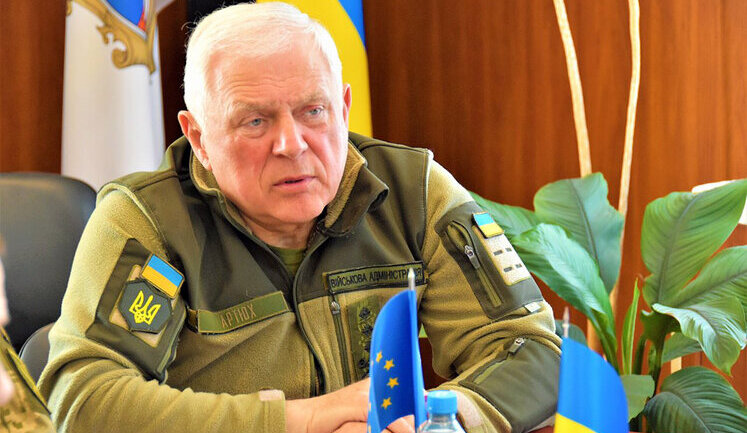
The political landscape in 2025 is significantly impacted by various votes of no confidence targeting key political figures and institutions. In early October, the European Parliament will undertake crucial votes of no confidence against European Commission President Ursula von der Leyen. This move reflects growing tensions and critical evaluations of her leadership. Meanwhile, in Ukraine, the Sumy Regional Council is considering a motion of no confidence in the head of its Regional Military Administration, indicating underlying regional governance challenges. These actions highlight a tumultuous period where political stability is under scrutiny in both European and Ukrainian spheres. Further compounding these events was the collection of signatures by the European Parliament to challenge the Commission’s decision to release funds for Hungary, questioning financial governance and accountability. Understanding these proceedings helps in grasping the broader implications for political and economic stability across these regions.
What is the reason behind the European Parliament's no confidence vote in Ursula von der Leyen?
The European Parliament is conducting a no confidence vote in President Ursula von der Leyen due to concerns over her leadership and the European Commission's recent decisions. These include issues surrounding the unfreezing of significant financial aid to Hungary, provoking a reevaluation of her tenure and decision-making capabilities amidst broader European governance challenges.
Why did the Sumy Regional Council pass a motion of no confidence?
The Sumy Regional Council motion of no confidence arises from perceived mismanagement within the Regional Military Administration led by Volodymyr Artiukh. Political dynamics and governance effectiveness at the regional level are under scrutiny, leading to this legislative reaction within the council.
How do votes of no confidence influence political stability?
Votes of no confidence can destabilize political entities by challenging the authority and decision-making capabilities of leaders. They signify significant opposition within governing bodies, potentially leading to changes in leadership, shifts in policy directions, and broader impacts on governance stability and trust.
What was the outcome of the PACE vote of no confidence in Pedro Agramunt?
In the case of PACE's no confidence vote, Pedro Agramunt was effectively stripped of his authority to represent the Assembly officially. This decision halted his ability to attend meetings, undertake official visits, and make public statements on behalf of the Assembly, marking a definite conclusion of his presidential capacities within PACE.
How do constitutional amendments affect no confidence processes?
Constitutional amendments impacting no confidence processes can significantly alter the power dynamics within a governmental framework. For example, the proposal by President Petro Poroshenko to prevent the Verkhovna Rada from impeaching the Prosecutor General sought to stabilize this position by removing parliamentary influence, reflecting efforts to insulate certain executive roles from legislative pressures.