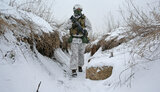
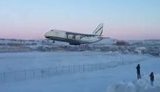
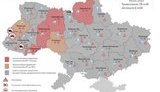
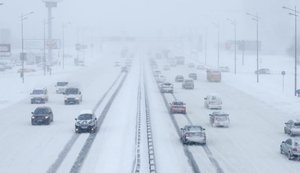
The severe effects of frost have been highlighted across various sectors in Ukraine and worldwide. Recent reports indicate that in Russia, frost has reached extreme levels with temperatures plunging to -30 degrees. Amidst these harsh conditions, Moscow citizens surprisingly find it manageable, unlike Americans who faced fatalities due to -20 degrees. On the Ukrainian frontlines, many soldiers suffer frostbite due to inadequate warming facilities, emphasizing the dire need for special means to protect extremities. Additionally, the An-124 Ruslan aircraft successfully transported an enormous jet engine to the Canadian permafrost zone, showcasing the challenging logistics in freezing conditions. Meanwhile, in Ukraine, adverse weather, notably frost, has led to hazardous road conditions resulting in fatalities and injuries, underscoring the necessity for cautious travel and emergency preparedness.
What are the effects of frost on human health and safety?
Frost can have serious effects on human health and safety, leading to conditions like frostbite, which occurs when skin and underlying tissues freeze. It can also contribute to hypothermia, where the body loses heat faster than it can produce it, causing dangerously low body temperatures. Additionally, adverse weather conditions due to frost can increase the risk of road accidents, causing injuries and fatalities.
Why is frost a significant concern for soldiers on the frontlines?
Frost poses a significant concern for soldiers on the frontlines because it can lead to frostbite when soldiers are exposed to extreme cold without adequate protection. The lack of proper heating means can exacerbate these conditions, impairing soldier health and reducing their operational effectiveness. Special warming gear is essential to prevent cold-related injuries and ensure military readiness in cold environments.
How does frost impact aviation and logistics operations?
Frost can significantly impede aviation and logistics operations by affecting aircraft performance, ground operations, and flight schedules. Cold temperatures and ice formation on aircraft surfaces can lead to increased maintenance requirements and delays. In logistical terms, transporting sensitive equipment such as large jet engines through icy or permafrost environments necessitates specialized planning to avoid damage and ensure timely delivery despite extreme weather.
What preventive measures can reduce frostbite cases in freezing military conditions?
To reduce frostbite cases in freezing military conditions, it is crucial to provide soldiers with appropriate winter clothing, including insulated gloves and boots. Regular breaks in heated environments can also help maintain body warmth. Educating soldiers on the signs of frostbite and enforcing strict protocols on exposure limits can further mitigate the risk of frostbite on the battlefield.
How do traffic conditions change during extreme frost in Ukraine?
Traffic conditions during extreme frost in Ukraine can become highly hazardous because ice formation on roads reduces tire traction, increasing the risk of accidents. Frost can lead to impaired visibility and control, causing traffic disruptions. It is essential for drivers to reduce speed, increase following distance, and ensure vehicles are equipped with winter tires to navigate safely in such conditions.