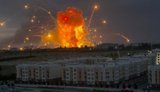
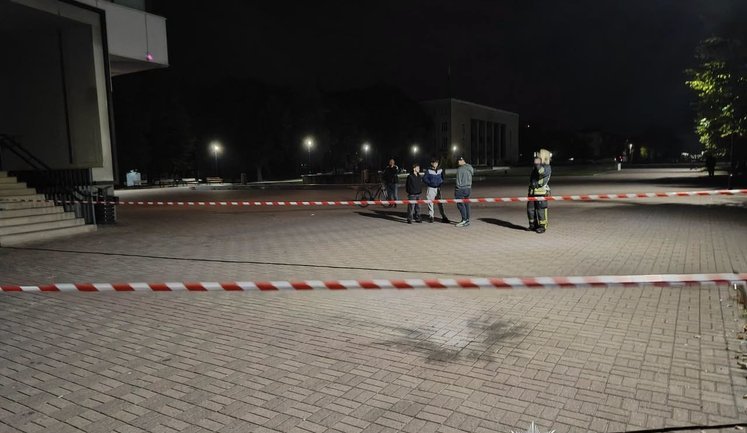
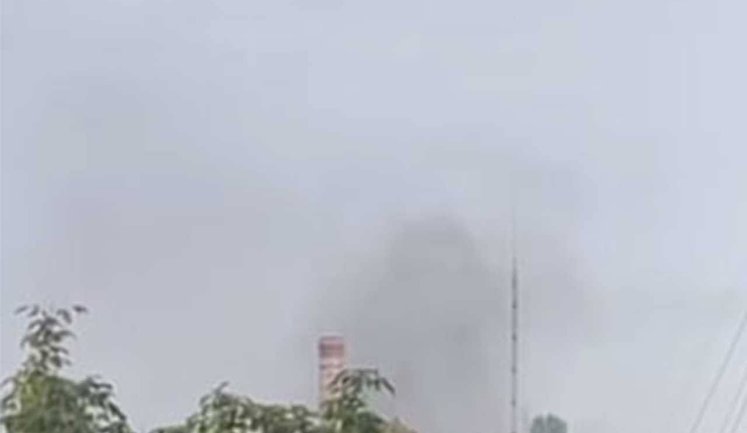
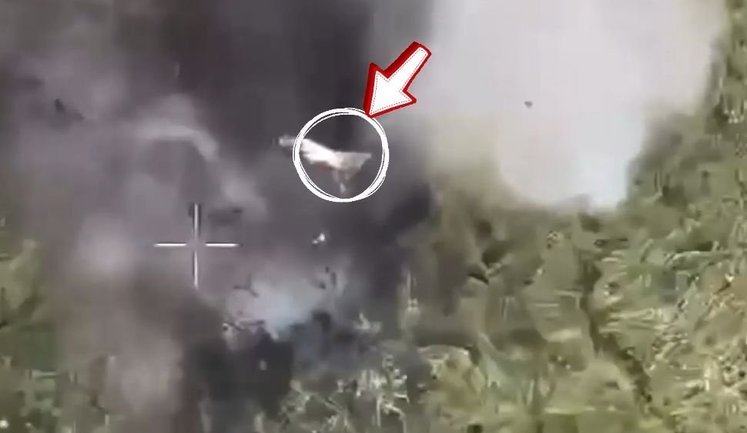
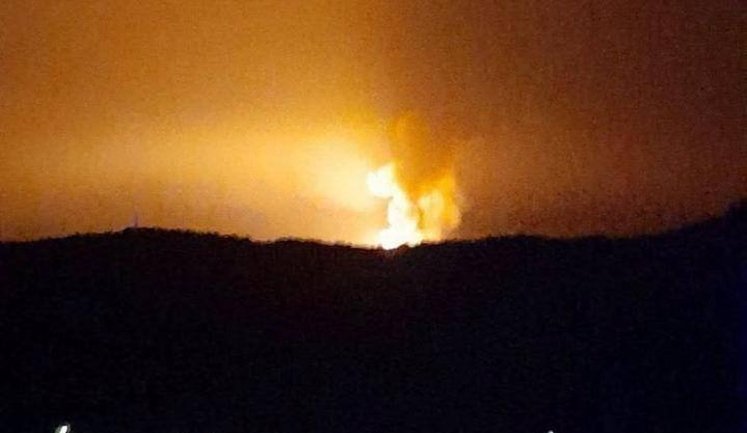
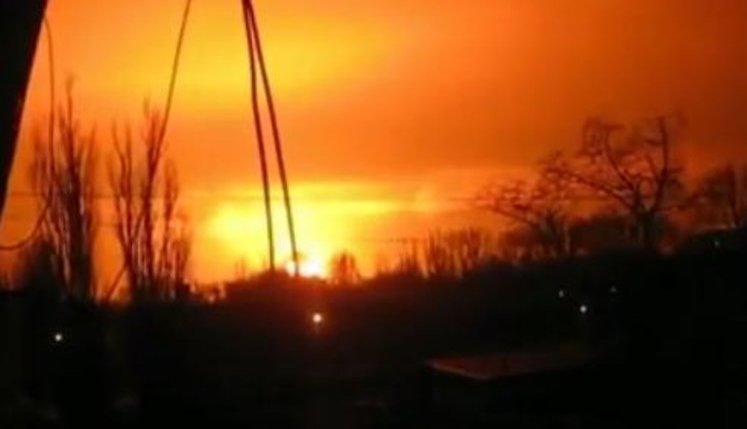
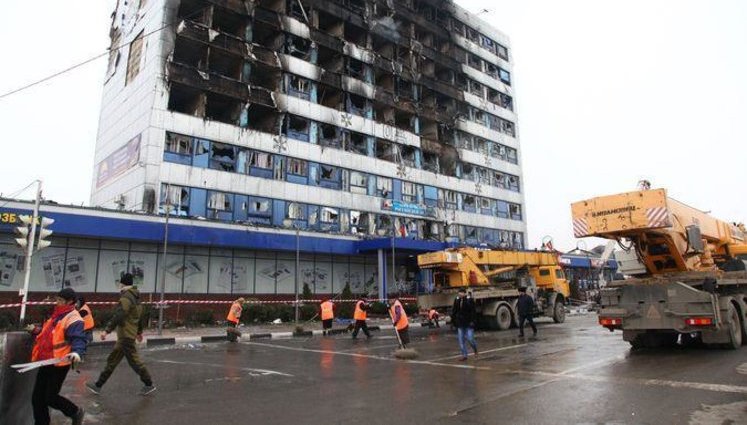
From attacks in Bulgaria to significant events in Ukraine, the world faces a wave of explosions. A recent blast at a polystyrene foam plant in Rivne exemplifies ongoing risks. Across Europe and beyond, incidents at military factories and public spaces underline rising tensions. In Bulgaria, a military factory suffered explosions, causing local anxiety. Meanwhile, the Mykolaiv region in Ukraine saw tragedy with casualties following a sea-borne explosive device. These events underline the critical importance of safety measures and vigilance. Authorities continue to respond, but public awareness remains essential as the global community grapples with such challenges.
What precautions can residents take during explosion incidents?
Residents should immediately follow official safety guidelines, which may include staying indoors, closing all windows, and avoiding unnecessary travel. They should remain tuned to local media for updates and instructions, ensuring they stay informed about ongoing risks. In affected areas, emergency services are typically deployed to manage the situation, therefore individuals should refrain from entering dangerous areas and abide by recommended safety precautions.=
How do authorities manage explosion responses?
Authorities typically coordinate with emergency services to respond to explosion incidents. This involves deploying fire services, medical teams, and law enforcement to manage the aftermath, provide medical assistance, and secure the area. Investigative teams may be deployed to ascertain causes and prevent future occurrences. Regular collaboration with local officials ensures timely information dissemination to the public.
How significant are explosions in political contexts?
Explosions can greatly impact political climates by exacerbating tensions and challenging public safety perceptions. They may influence policy decisions, military strategies, and international relations. Political leaders may be compelled to respond with regulatory changes or enhanced security measures to address underlying causes of such events and reassure public confidence in safety infrastructure.
What are typical causes of explosions in industrial areas?
Explosions in industrial areas can stem from various factors, including equipment failures, human error, improper handling of flammable materials, and insufficient safety protocols. In some instances, external influences, such as attacks or sabotage, may also play a role. Comprehensive safety audits and adherence to industrial guidelines are paramount in mitigating such risks.
Why are explosions frequently reported in conflict zones?
In conflict zones, explosions are often a result of military operations, sabotage, or terrorist activities. These areas are particularly vulnerable to such events due to the presence of armed groups, military targets, and infrastructure weaknesses. Monitoring and addressing the root causes of conflicts can help reduce the frequency of incidents and enhance regional stability.
What steps are taken by governments to prevent explosions?
Governments enforce regulations to ensure industrial safety, improve emergency response capabilities, and enhance intelligence operations to preempt terrorist threats. Investments in technology and cross-border collaborations aim to detect and neutralize potential threats, while policy initiatives encourage community resilience and infrastructure robustness to lessen explosion impacts.
How do explosions affect local economies?
Explosions can disrupt local economies by damaging infrastructure, reducing business activities, and increasing security costs. They may affect investor confidence, alter tourism dynamics, and lead to increased insurance premiums. Recovery efforts often require governmental and private sector cooperation to facilitate rebuild and support affected communities.
What role does media play in explosion reporting?
The media plays a critical role in reporting explosion events by providing real-time updates, disseminating safety information, and offering in-depth analyses of incidents. Accurate reporting helps inform public perception, guides emergency responses, and can influence policy by highlighting areas needing attention or improvement in safety and security protocols.
Can technology mitigate explosion risks?
Technology can significantly mitigate explosion risks through advanced detection systems, better communication channels, and proactive monitoring tools. Innovations in materials science contribute to more resilient infrastructure, while artificial intelligence aids in predictive analysis of potential threats, enhancing preventative strategies and swift response capabilities.
How do explosions influence tourism in affected regions?
Explosions significantly deter tourism as they heighten perceived and real safety risks. Regions suffer economic setbacks due to declining visitor numbers and reputational damage. Recovering tourism sectors often involve comprehensive safety reforms, effective crisis communication, and active marketing strategies aimed at rebuilding confidence and attracting international tourists back.