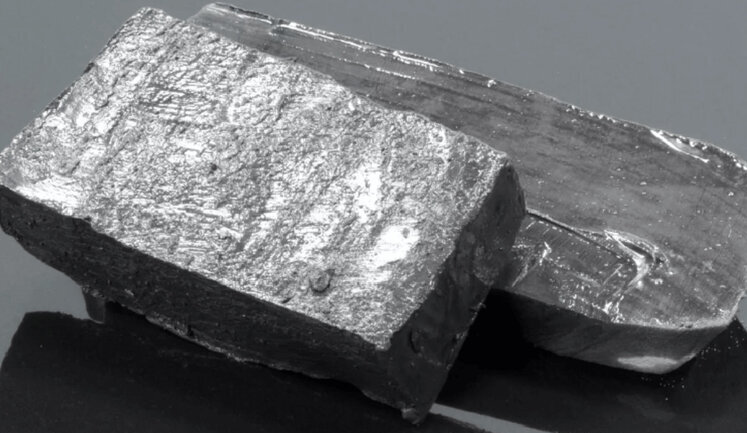
Rare earth metals, critical for modern technology, have sparked strategic agreements between Ukraine and the United States, emphasizing their geopolitical importance. The ongoing negotiation over these resources has highlighted political tensions and economic interests. Recently, Russia's occupation of lithium-rich zones in Ukraine underlines the strategic vulnerability and the urgency for Ukraine to secure partnerships with allies like the U.S. The U.S.-Ukraine minerals deal, covering 57 minerals, aims to enhance bilateral cooperation but faces political scrutiny and demands for legal alignment with European standards. This evolving situation underscores the complex interplay of military, economic, and environmental factors driving global mineral strategies.
How is the Russia-Ukraine conflict affecting rare earth metal resources?
Russia's occupation of regions like Shevchenko in Donetsk Oblast, a site of significant lithium deposits, highlights the strategic importance of rare earth resources in Ukraine. This affects Ukraine's ability to fully leverage its valuable mineral assets, impacting both its economy and geopolitical stance.
What are the key components of the US-Ukraine rare earth metal agreement?
The agreement covers 57 types of minerals, establishing a political framework for cooperation. It aims to facilitate technical collaboration and potential investments in mining and infrastructure, ensuring that Ukraine can strategically benefit from its natural resources while maintaining sovereignty.
Why is the US interested in Ukraine's rare earth metals?
The U.S. sees Ukraine's rare earth metals as crucial for technological advancement and economic strategy. Securing these resources aids in diversifying supply chains and reducing dependency on other dominant markets, aligning with broader geopolitical and security interests.
What political implications does the minerals agreement have for Ukraine?
The agreement is politically significant, highlighting Ukraine's alliances and its strategy to strengthen ties with the U.S. amidst Russian aggression. Critics argue it might affect Ukraine's European Union integration due to potential conflicts over legal and political commitments.
How does the minerals agreement affect Ukraine's European aspirations?
Ukrainian leaders assert that the agreement complies with European legislation and does not hinder EU aspirations. However, concerns remain about geopolitical balance and the influence of external nations on Ukraine's strategic choices and internal policies.
What challenges does the Ukraine-U.S. minerals deal face?
The deal faces hurdles such as legal alignment with European standards, defining clear terms that avoid overreach by either party, and ensuring that Ukraine retains control over its resources. Political opposition and public scrutiny further complicate the process.
What are the financial expectations from the US-Ukraine minerals collaboration?
Initially, the agreement serves political rather than immediate financial purposes. While lucrative in the long term, both parties acknowledge that tangible economic benefits, such as job creation and infrastructure development, will take time to materialize.