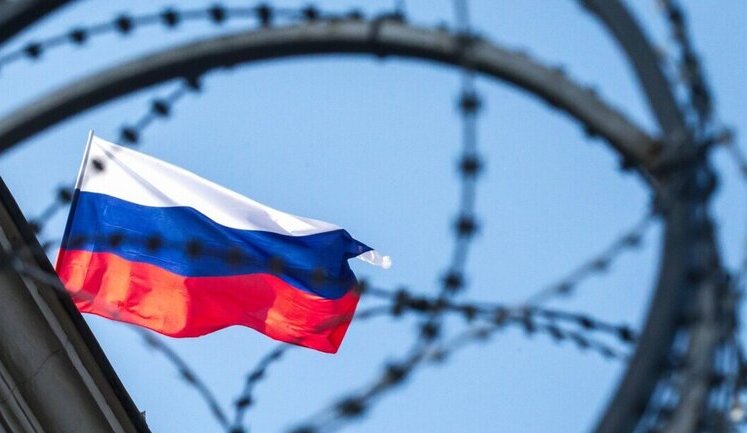
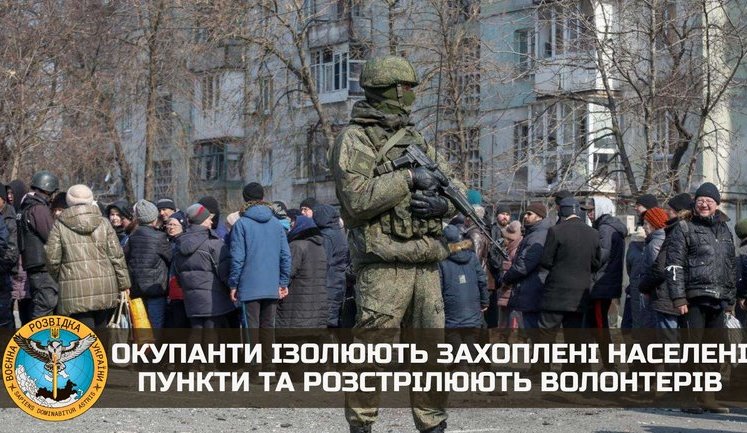
Isolation has become a crucial aspect of international relations, often used as a diplomatic strategy. In recent events, Russia faced significant isolation due to its geopolitical actions, notably its involvement in Ukraine and support for the Assad regime in Syria, which led to expulsion from the Danube Commission. Ukraine, on the other hand, grapples with the isolation of its occupied territories where occupiers have reduced train services and blocked settlements. Diplomatic tensions stress the importance of fair practices and compliance with international norms to avoid isolation. These geopolitical dynamics have a profound impact on international diplomacy and global stability.
What causes international isolation in global politics?
International isolation often results from a country's actions that contradict international norms, such as human rights violations, aggressive foreign policy, or non-compliance with global treaties. This can lead to diplomatic sanctions and reduced international cooperation.
How has Ukraine been affected by isolation due to the ongoing conflict?
Ukraine faces isolation in occupied regions where occupiers block settlements and limit transportation, affecting civilian life and humanitarian efforts. This physical isolation compounds political and economic challenges, hindering recovery and integration efforts.
What are the main consequences for a country facing international isolation?
Countries facing international isolation may experience economic sanctions, reduced diplomatic relations, and limited influence on the global stage. These consequences can lead to economic hardship and diminished national security and development opportunities.
How does isolation impact global diplomacy and geopolitical stability?
Isolation impacts global diplomacy by altering alliances and balance of power, while also straining cooperation on international challenges such as security, trade, and climate change. It can lead to an unstable international environment with potential conflicts and rivalry.
Why was Russia expelled from the Danube Commission?
Russia was expelled from the Danube Commission due to non-payment of contributions, reflecting financial strategies as a component of international isolation. This step signifies diplomatic measures taken against Russia amidst ongoing geopolitical tensions.
What role does fair electoral process play in avoiding international isolation?
Fair electoral processes are vital to maintain international credibility and partnerships. Unfair elections can lead to isolation, impacting a nation's legitimacy and ability to engage effectively on the global stage, as seen in past warnings to Ukraine and similar countries.