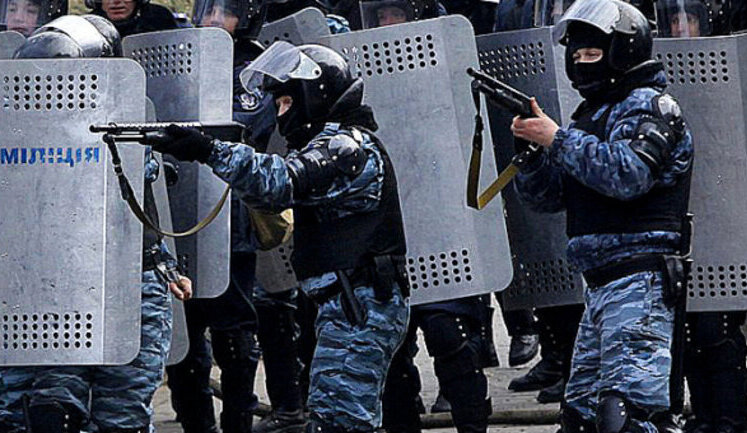
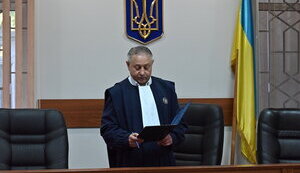
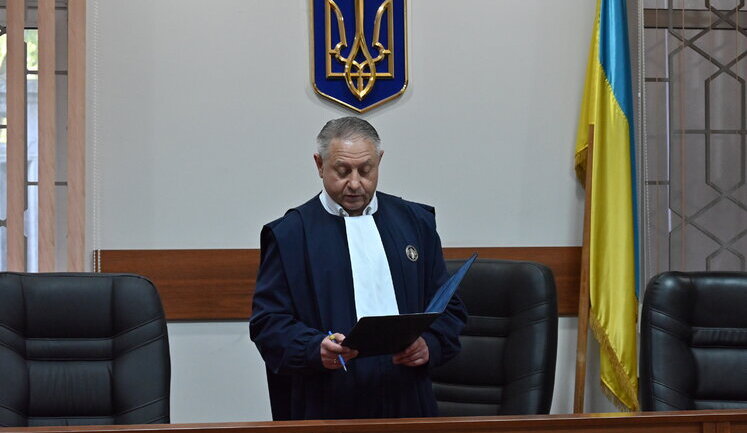
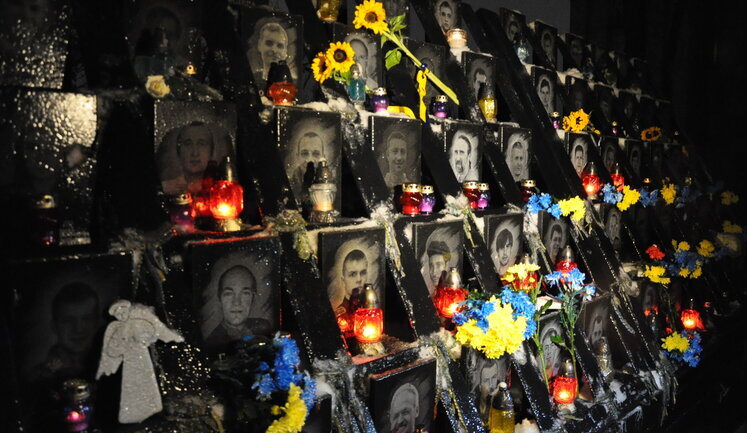
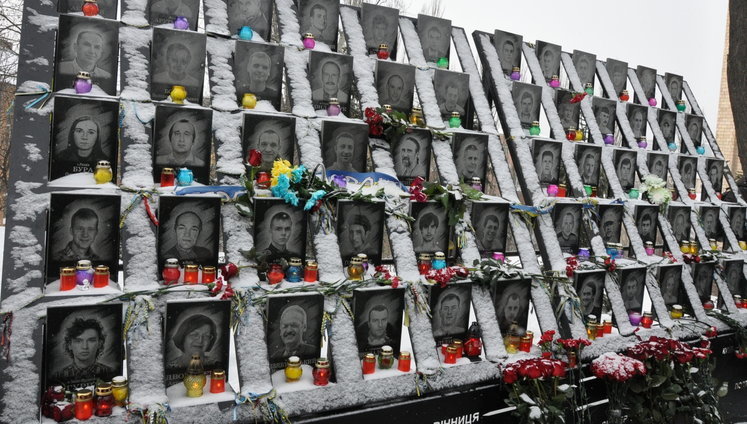
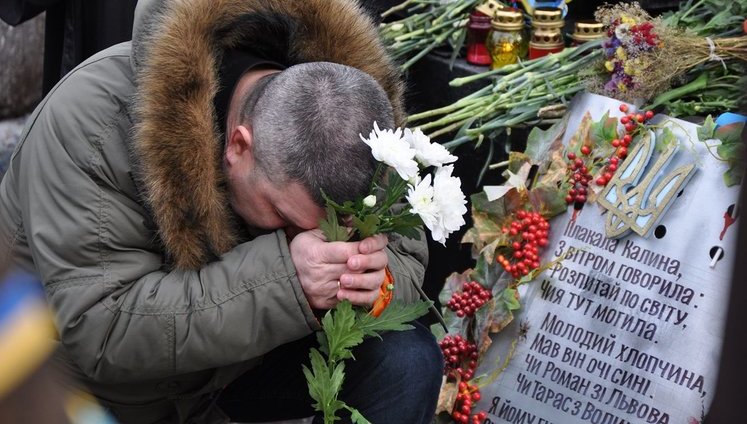
The recent expiration of the statute of limitations on numerous EuroMaidan cases has resulted in over 100 defendants avoiding prosecution. Public concern grows as the Ukrainian judiciary faces criticism for failing to bring justice in these high-profile cases tied to the 2013-2014 protests. The Prosecutor General’s Office disclosed that proceedings have been dismissed in many noteworthy trials, further igniting debates on the adequacy of Ukrainian legal frameworks. With the lapse of time, victims and their families continue to await closure and accountability for the actions of law enforcement and officials during the EuroMaidan protests. This situation underscores the ongoing struggle to achieve justice for those affected by the events of the Revolution of Dignity.
What are the consequences of the statute of limitations expiring on EuroMaidan cases?
The expiration of the statute of limitations on EuroMaidan cases means that many defendants potentially involved in crimes during the Maidan protests are no longer subject to prosecution. This effectively halts legal proceedings against them, leading to significant public dismay and a perception of justice being denied for those impacted by these events. The lack of accountability affects the victims' families and societal trust in legal institutions.
How many individuals have been released from prosecution due to the statute of limitations?
According to the Prosecutor General’s Office, over 100 individuals involved in EuroMaidan-related cases have been released from prosecution due to the statute of limitations expiring. This includes notable figures such as former law enforcement officers and officials who were implicated in the events of 2013-2014 during the protests in Ukraine, highlighting significant justice system challenges.
Why is the EuroMaidan statute of limitations a critical issue in Ukraine?
The statute of limitations on EuroMaidan cases is a critical issue in Ukraine because it affects the prosecution of crimes committed during the 2013-2014 protests. With many cases now closed, accountability for actions taken during the protests is left unresolved, raising questions about the efficacy of the country's legal system and the commitment to justice for victims and their families. It affects not only legal proceedings but also societal perception of fairness and justice.
What reactions have been observed regarding the closing of EuroMaidan cases?
The closing of EuroMaidan cases due to the statute of limitations has spurred widespread public disappointment and protests. Victims' families and human rights organizations have expressed profound dissatisfaction, emphasizing the need for reforms in Ukraine's judicial processes. It has sparked debates over the legal system's capability to deliver justice and maintain accountability for significant historical events like the Maidan protests.
Can new evidence impact currently closed EuroMaidan cases?
While the expiration of the statute of limitations generally closes cases to prosecution, significant new evidence could potentially justify reopening investigations under certain circumstances, depending on Ukrainian legal provisions and international human rights laws. Such developments would require court approval, reflecting the legal complexities of revisiting cases once officially closed.
Does the closure of EuroMaidan cases impact future legal reforms in Ukraine?
The closure of EuroMaidan cases significantly influences the discourse on legal reforms in Ukraine, necessitating a reevaluation of how statutes of limitations are applied to serious offenses. This situation illustrates the critical need for reforms to ensure timely justice delivery and improved legal mechanisms to adequately address crimes arising from national crises like those experienced during the Maidan protests.