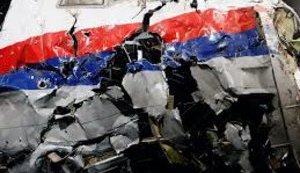
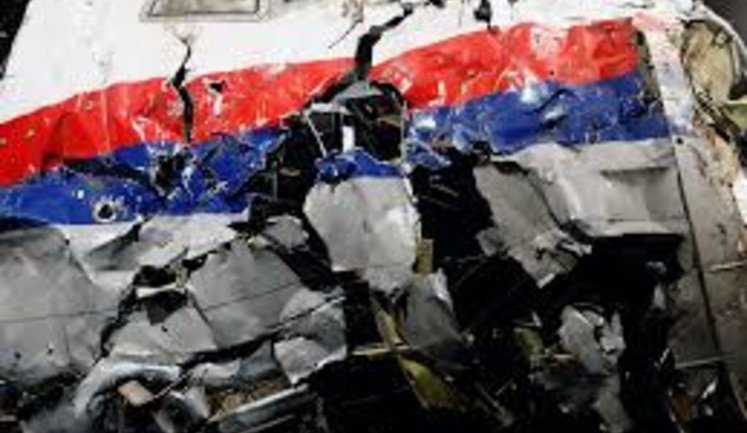
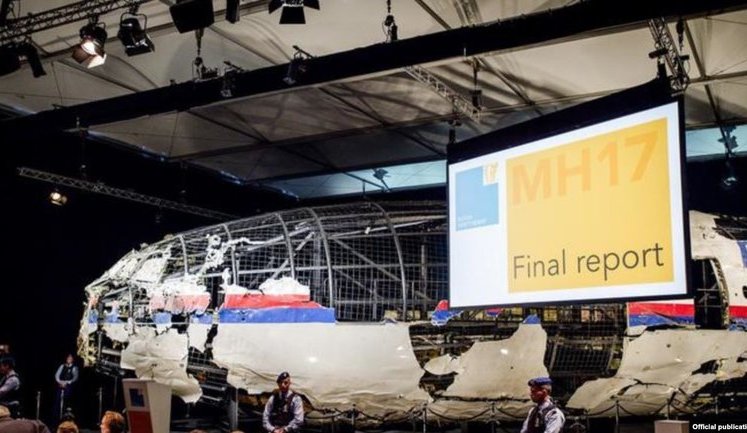
The downing of Malaysia Airlines flight MH17 over Ukraine in July 2014 remains a pivotal event with ongoing international legal implications. Multiple investigations have confirmed that Russian military forces were responsible for the downing of the Boeing 777. A landmark decision from the International Civil Aviation Organisation, along with judgments from the European Court of Human Rights, have highlighted Russia's culpability in this tragedy. Relatives of the victims assert that acknowledging responsibility is crucial for long-lasting peace. International appeals continue for Russia to accept liability, as governments and legal bodies emphasize the importance of accountability. These developments are seen as critical steps toward securing justice for the 298 individuals who lost their lives.
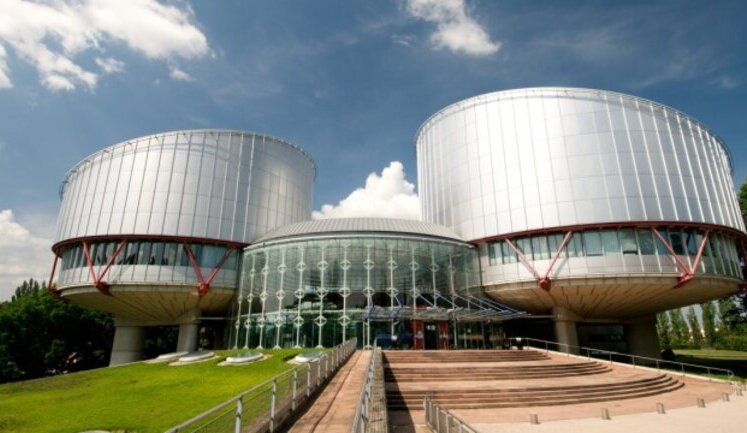
What were the findings of the European Court of Human Rights concerning flight MH17?
The European Court of Human Rights found Russia responsible for downing Malaysia Airlines flight MH17, implicating violations of human rights. This decision underlined global calls for Russia to face accountability for its actions, setting a precedent in international legal standards and obligations.
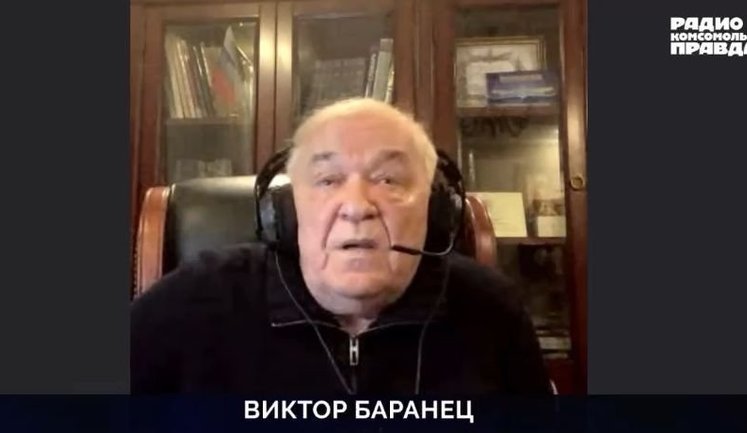
Who admitted to the downing of the Malaysian Boeing 777 over Ukraine?
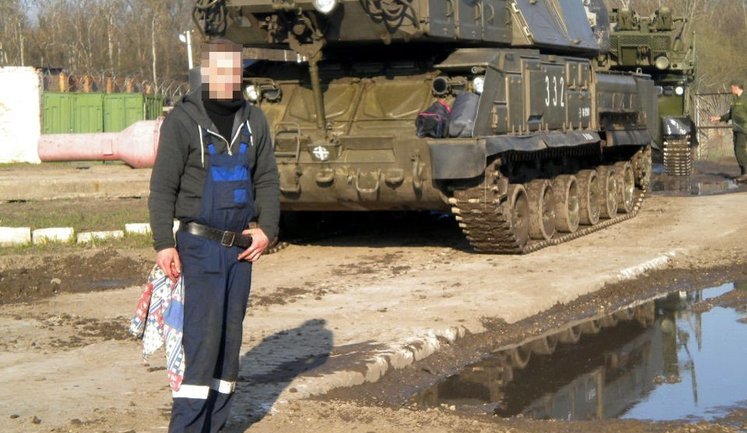
Retired Russian Colonel Viktor Baranets admitted that Russian officers were responsible for shooting down the Malaysian Boeing 777. This confession adds to the mounting evidence and international rulings pointing to Russian military involvement in the tragic incident that claimed 298 lives.
How has the International Civil Aviation Organisation addressed the MH17 incident?
The International Civil Aviation Organisation issued a definitive ruling, holding Russia accountable for the downing of Malaysia Airlines flight MH17. Their findings echo the conclusions of independent investigations and contribute to the global pressure on Russia for acknowledging its responsibility in the tragedy.
What is the significance of the MH17 case in international law?
The MH17 case has become a significant legal milestone, highlighting the importance of accountability in international conflicts. The rulings against Russia underscore the need for nations to adhere to international legal frameworks and principles of justice, influencing global diplomatic and legal measures.
What stance have the victims' families taken concerning Russia's responsibility?
The families of the MH17 victims insist on Russia recognizing its role in the downing of the aircraft. They argue that such an acknowledgment is vital not only for justice but also for ensuring future peace and preventing similar tragedies, emphasizing the broader implications of this accountability.