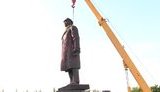
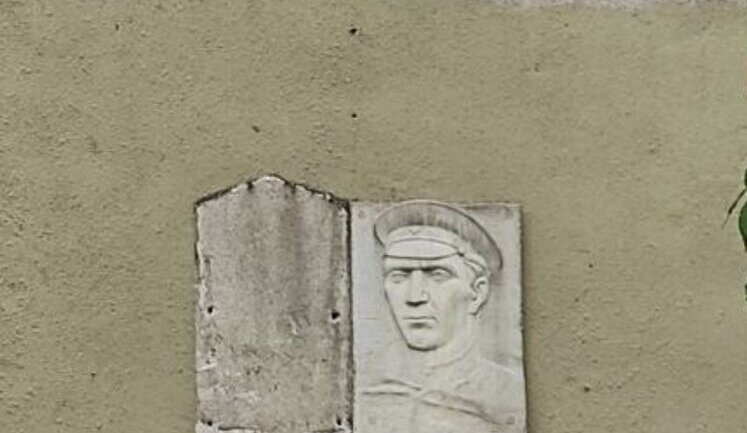
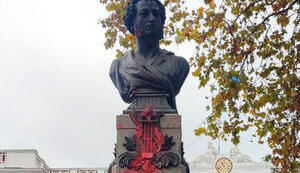
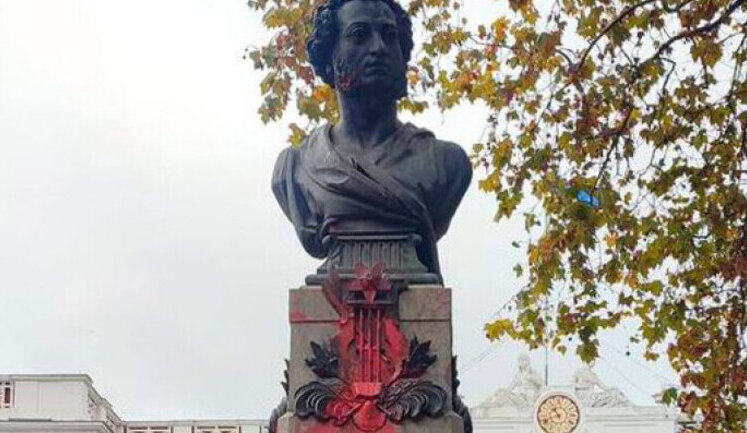
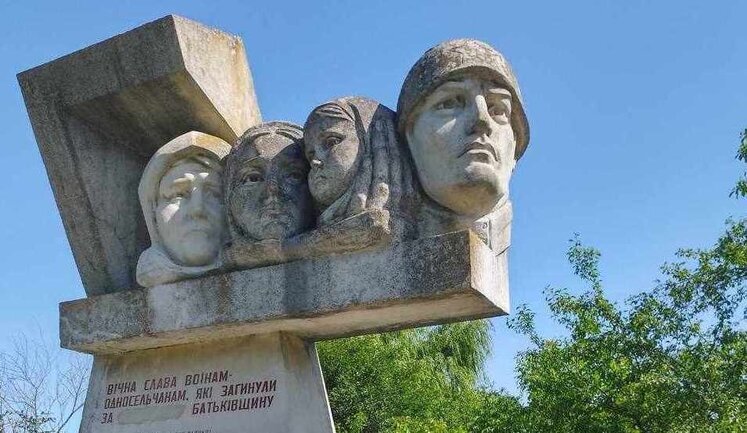
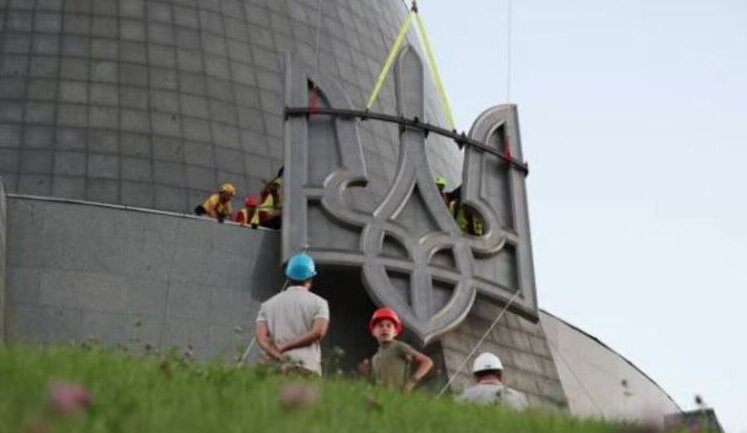
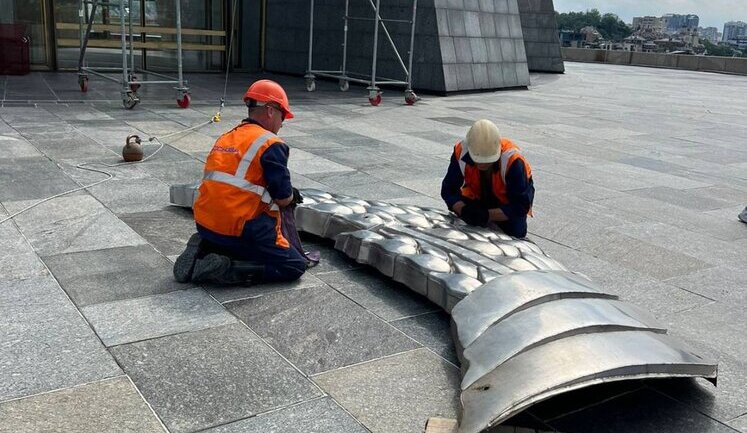
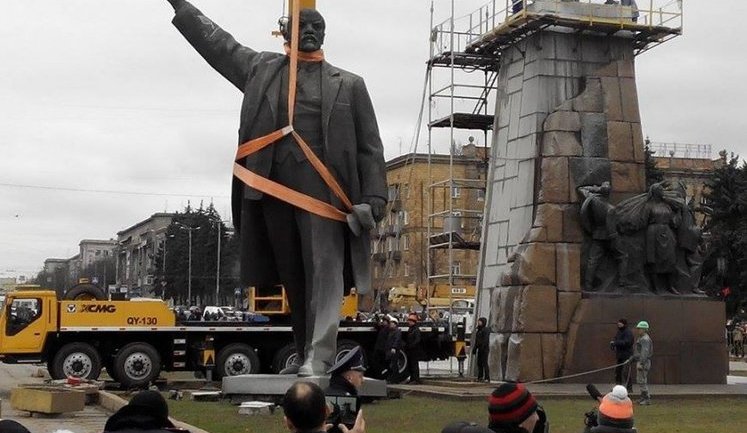
Decommunisation in Ukraine remains a complex and contentious issue. Recent events highlight the tension and challenges faced by authorities and local communities. In Odesa, conflict erupted between residents and activists dismantling Soviet symbols, leading to police intervention. Meanwhile, Odesa City Council has opted to maintain certain street names linked to Russian figures. Efforts in Kharkiv and other regions signal ongoing commitment with renaming streets and metro stations. Nationwide, the Verkhovna Rada struggles to pass resolutions on renaming settlements during de-Russification efforts. The Ministry of Culture supports museum exhibitions to recontextualize Soviet monuments. Understanding these nuances is key to grasping Ukraine's decommunisation trajectory.
What actions have been taken to dismantle Soviet symbols in Ukraine?
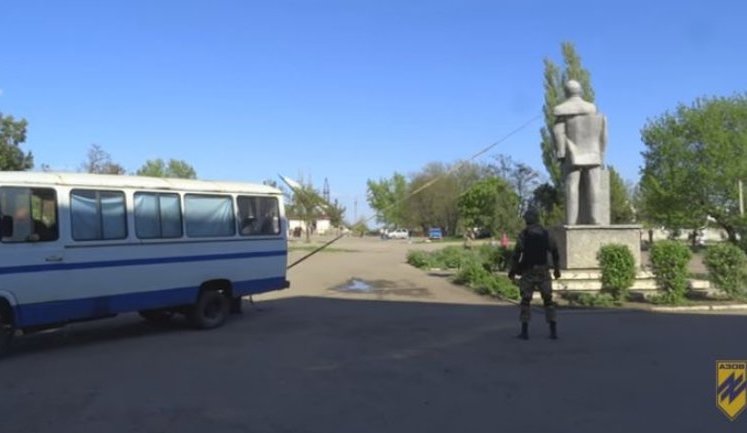
In Ukraine, actions have included the dismantling of Soviet-era monuments, renaming streets and metro stations, and removing Soviet symbols from public spaces. These efforts are part of a nationwide push for decommunisation, aimed at eradicating symbols tied to totalitarian regimes and Russian influence. Such actions often face resistance from certain local communities, complicating the process further.
Why are some streets in Odesa retaining Russian-associated names?
The Odesa City Council's decision to retain certain Russian-associated street names stems from a toponymic commission's recommendations. This decision reflects ongoing debates about cultural and historical identity, and the challenges faced in completely removing references perceived as part of Russian heritage within various localities in Ukraine.
Has the Verkhovna Rada successfully renamed Ukrainian settlements?
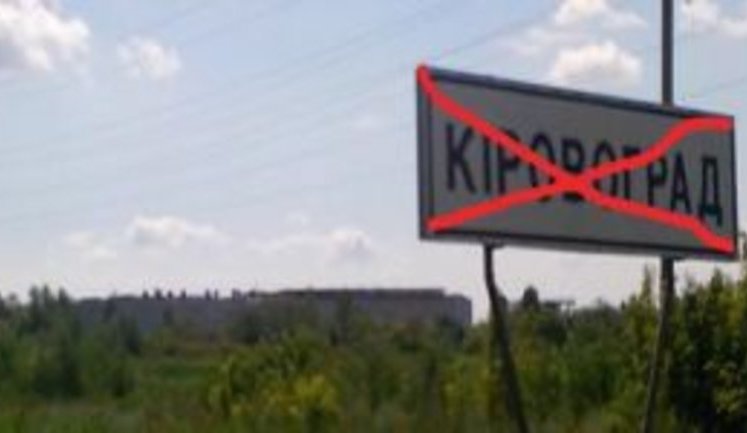
The Verkhovna Rada has struggled to adopt comprehensive resolutions for renaming settlements within the decommunisation framework. Although some progress has been made with the renaming of streets and cities, such as Dnipropetrovsk to Dnipro, efforts continue to face bureaucratic and political hurdles, delaying full implementation.
How is the Ministry of Culture handling Soviet monuments in Ukraine?
The Ministry of Culture in Ukraine advises against the outright destruction of Soviet monuments, suggesting instead that they be moved to museums. Within this context, the monuments can be reinterpreted and accompanied by detailed information to educate the public on their historical and cultural significance, while removing them from public celebration.
What role does the public play in the decommunisation process?
The public plays a complex role in the decommunisation process, often marked by tensions. While some segments support dismantling Soviet symbols as steps toward asserting Ukrainian sovereignty and historical clarity, others may resist changes due to cultural or historical affiliations. Community opposition is evident in cases where local tradition conflicts with national policy directions.