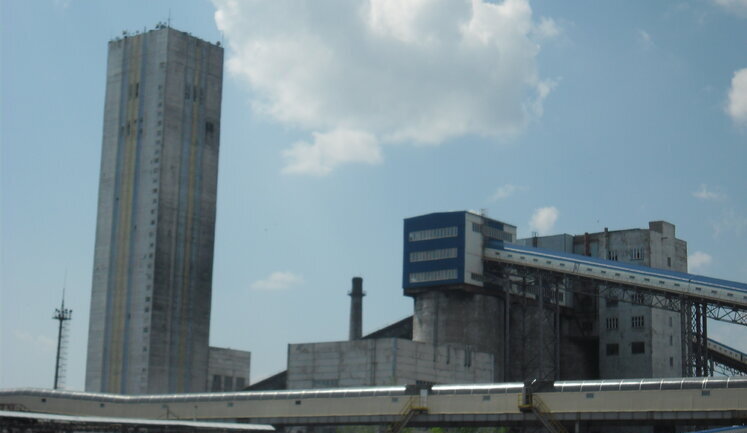
Ukraine's metal industry, crucial to its economy, is severely impacted by ongoing conflicts and international tensions. The loss of key areas such as Pokrovsk could lead to a halving of steel production due to dependence on coking coal. This situation worsens with the blockade of sea ports crucial for metal exports. Unlocking these ports would potentially increase Ukraine's foreign currency earnings by about a billion dollars monthly, stabilizing the national currency, the hryvnia. Export barriers are compounded by Russia's systematic looting and illegal sale of Ukrainian metal, violating international law. Despite the EU imposing sanctions on Russian metal exports, challenges remain as these measures do not fully restrain Russia's economic gains. Efforts continue to document and address these violations through international legal means.
How does the loss of Pokrovsk affect Ukraine's metal production?
The loss of Pokrovsk poses a severe challenge to Ukraine's metal sector by threatening the stability of steel production. It depends heavily on coking coal from this region, and losing access could halve production capacity. This highlights the strategic importance of Pokrovsk in sustaining Ukraine's metallurgical output.
What is the impact of port blockages on Ukraine's metal exports?
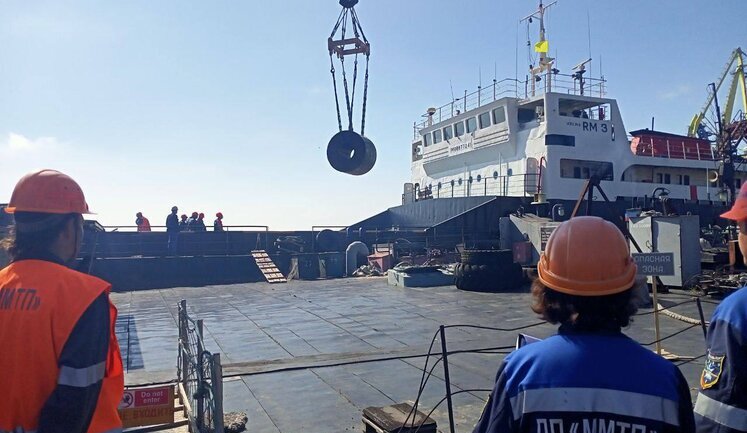
The blockage of sea ports critically impedes Ukraine's ability to export metal products, leading to significant foreign exchange losses. If the ports were unblocked, Ukraine could potentially earn an estimated billion dollars monthly, vital for economic stability and strengthening the national currency, the hryvnia.
Are EU sanctions effective against Russian metal exports?
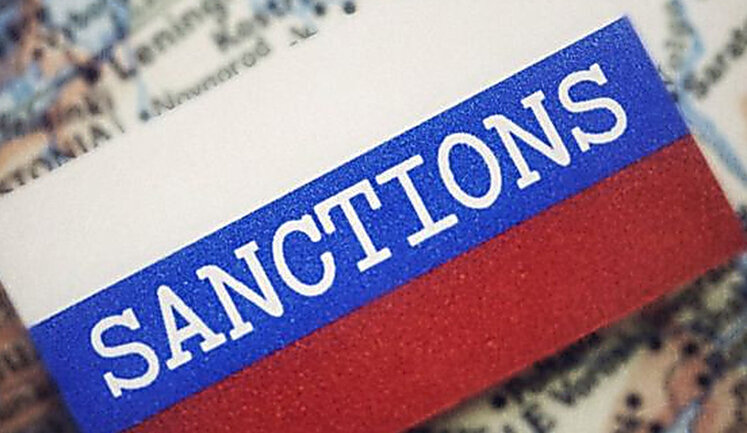
While the EU has imposed substantial sanctions to limit Russia's metal exports, these measures have proven insufficient. Despite the bans, loopholes remain that permit Russia to continue profiting from its metal trade, undermining the sanctions' objectives and leaving room for economic gains at Ukraine's expense.
How does Russia's theft of Ukrainian metal impact the global market?
The theft of Ukrainian metal by Russian forces is a strategic move designed to weaken Ukraine's position as a global market competitor. By seizing and illegally selling these products, Russia not only violates international laws but also attempts to establish dominance in the metal sector, further destabilizing Ukraine's economy.
What legal actions are available to address Russia's theft of Ukrainian products?
Ukraine is exploring multiple legal avenues to seek redress for Russia's theft of its metal products. International law allows for reparations through mechanisms such as the Geneva Convention. Efforts are underway to document these violations fully, aiming to leverage frozen Russian assets abroad as potential compensation for Ukraine's losses.