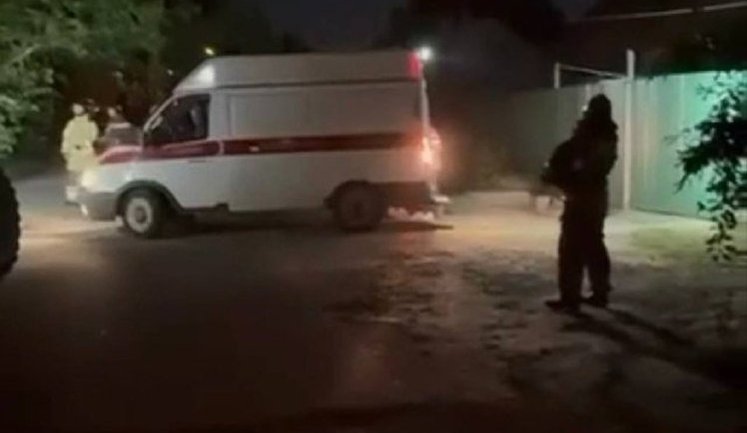
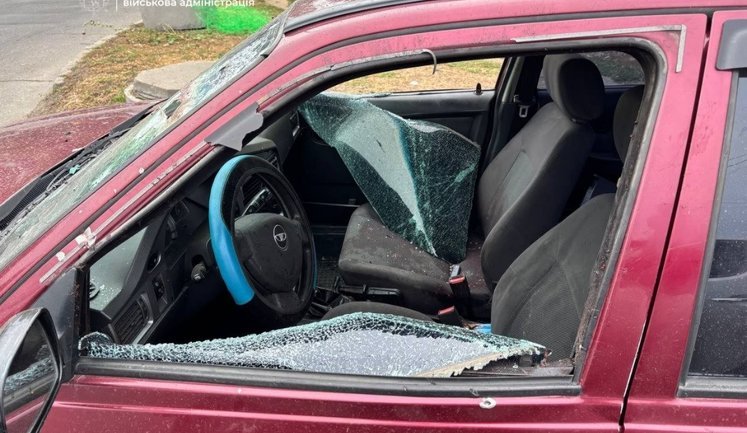
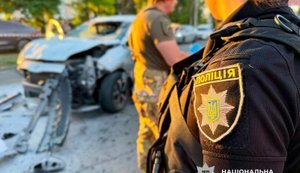
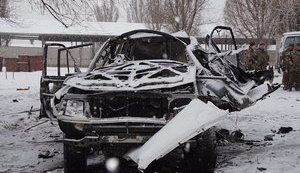
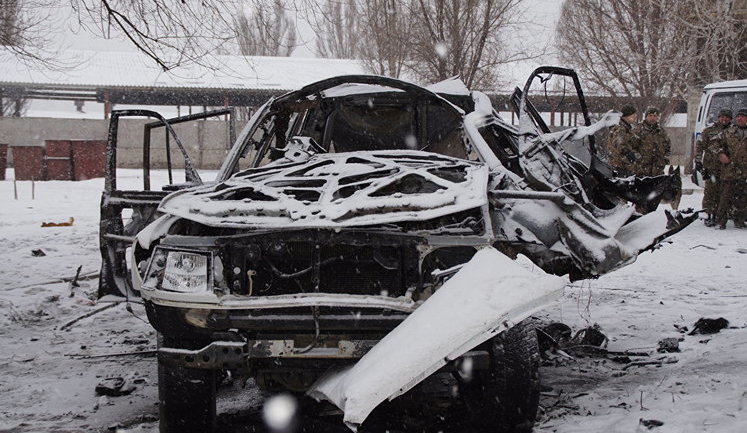
The auto industry and vehicle security in Ukraine remain under scrutiny amid escalating confrontations and rising auto-related violence in 2026. Incidents involving car explosions, drone strikes, and illegal car import schemes dominate recent headlines. In Donetsk, the car of Dmitry Neyelov, linked to abuses at Olenivka prison, was bombed. Zaporizhzhia witnessed injuries from a drone attack on a vehicle. Authorities in Odesa and other cities are actively investigating car explosions, attributing several to Russian orchestrated schemes. Meanwhile, investigations reveal cars intended for Ukrainian military aid being illegally sold. Despite military and political tensions, Ukraine's auto landscape highlights both peril and resilience, as authorities endeavor to counteract the threats.
What recent auto-related incidents have occurred in Ukraine?
Recent incidents include a car explosion in Donetsk of a prison official's vehicle, a drone strike in Zaporizhzhia injuring two, and multiple cases of auto-related attacks attributed to Russian orchestrations. These events highlight rising security challenges involving automobiles in the region.
How are Ukrainian authorities responding to car-related attacks?
Ukrainian law enforcement and security services are actively investigating the incidents, focusing on explosions and drone strikes attributed to external threats, primarily involving Russian military tactics. Authorities are also tackling illicit car imports and addressing vulnerabilities in auto-related security.
What is the connection between auto incidents and the ongoing conflict in Ukraine?
The conflict in Ukraine has seen vehicles becoming targets and tools in military strategies, with numerous attacks involving explosive devices, drone strikes on civilian cars, and coat-tailing of military aid schemes. This underscores the role of vehicles in both tactical operations and humanitarian challenges.
Have there been any schemes involving illegal car sales in Ukraine recently?
Yes, Ukrainian authorities have uncovered schemes where vehicles imported as humanitarian aid for the Armed Forces were sold illegally. These investigations reveal organized crime involvement in exploiting aid channels for profit, demonstrating vulnerabilities in supply chain oversight.
What steps are being taken to improve vehicle security in Ukraine?
To combat threats, Ukraine has intensified efforts in monitoring vehicle transactions, enhancing cross-border controls, and enforcing strict measures against illegal imports and sales. Security collaboration with international agencies is also crucial in countering drone and explosive-related auto incidents.