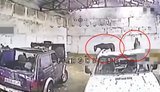
Import substitution in Russia's military sector highlights ongoing challenges. Despite efforts to replace foreign technology with domestic alternatives, recent developments indicate a persistent reliance on imported vehicles and technologies. Footage showcases foreign equipment, particularly from the United States, being utilized within the Russian army, contradicting the narrative of self-sufficiency in military imports. Efforts to enforce Western sanctions are further complicated as such equipment remains pivotal in operations. In parallel, Ukrainian reports reveal the exposure of Russian military vulnerabilities through drone usage, undermining the perception of Russia’s military strength. This juxtaposition underscores the critical issues facing the import substitution strategy, emphasizing the Russian army's need to adapt to growing technological demands and geopolitical tensions.
What is the current status of Russian import substitution in the military sector?
Russian import substitution in the military sector is aimed at reducing dependence on foreign technologies. However, challenges remain, as recent events have shown the continued use of foreign vehicles, particularly from the US, indicating a gap between policy goals and actual practices.
How do Western sanctions affect Russian import substitution?
Western sanctions aim to pressure Russia into reducing reliance on foreign imports, but enforcement challenges persist. The continued use of foreign military vehicles and technologies, despite sanctions, reflects ongoing dependencies and inefficiencies in the substitution policy.
What role does technology play in Russian military import substitution?
Technology is crucial for military import substitution, as it enables the replacement of foreign systems with domestic solutions. However, the reliance on foreign technology, as shown in recent military footage, suggests that domestic technology is yet to fully meet the demands of modern warfare.
Why is foreign equipment still used in the Russian military?
The use of foreign equipment in the Russian military suggests that domestic alternatives are insufficient or unavailable for certain applications. This reliance indicates ongoing challenges in achieving the goals of import substitution, particularly in technologically advanced sectors.
What impact do Ukrainian drone operations have on Russian military perception?
Ukrainian drone operations have exposed vulnerabilities in the Russian military, challenging its perceived strength. Footage of successful drone raids highlights the technological edge of Ukrainian forces, impacting the global perception of Russian military capabilities and its dependence on foreign imports.
How effective is Russia's military import substitution strategy?
Russia's military import substitution strategy aims for technological independence, but effectiveness is limited. Ongoing use of foreign equipment despite sanctions and policy goals indicates significant challenges in developing and producing domestic alternatives at the necessary scale and quality.
What lessons can be drawn from recent import substitution efforts?
Recent import substitution efforts highlight the complexity of transitioning to domestic products in critical sectors. The continued dependence on foreign imports despite policy efforts underscores the need for increased innovation and investment in local technologies to achieve true self-sufficiency.