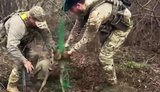
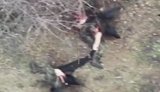
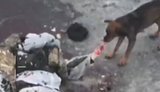
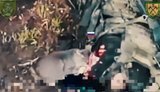
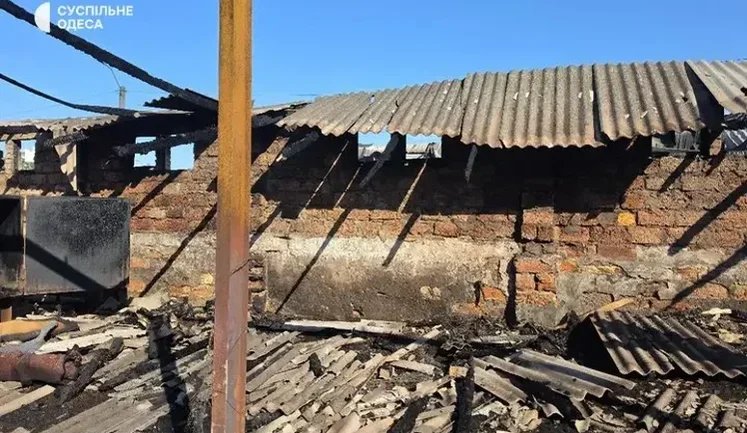
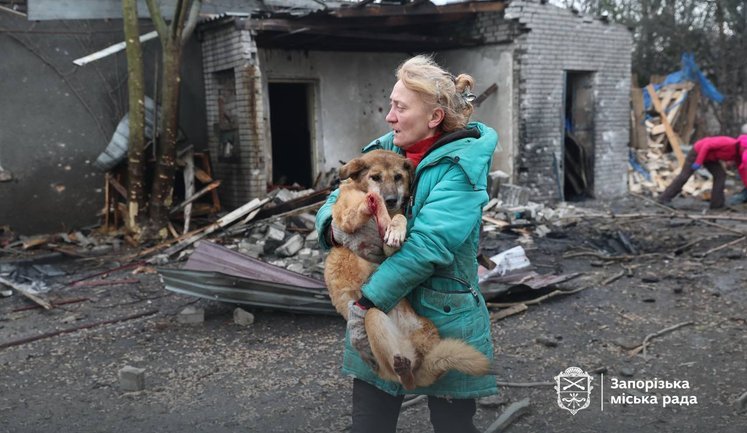
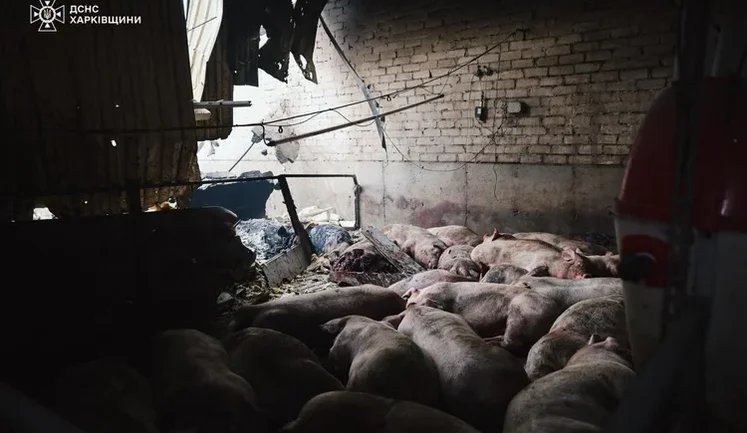
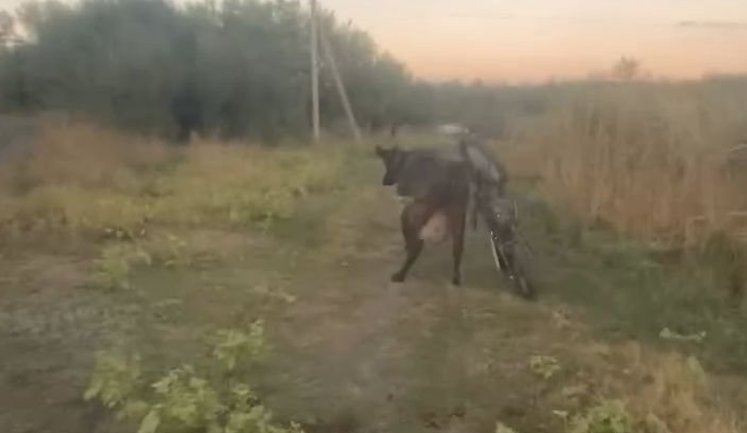
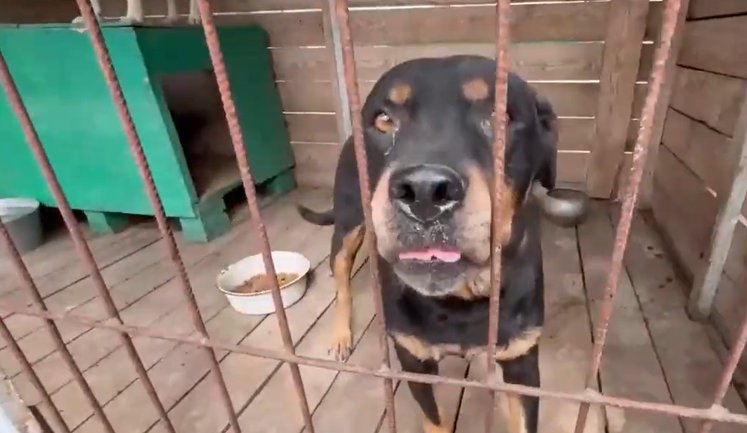
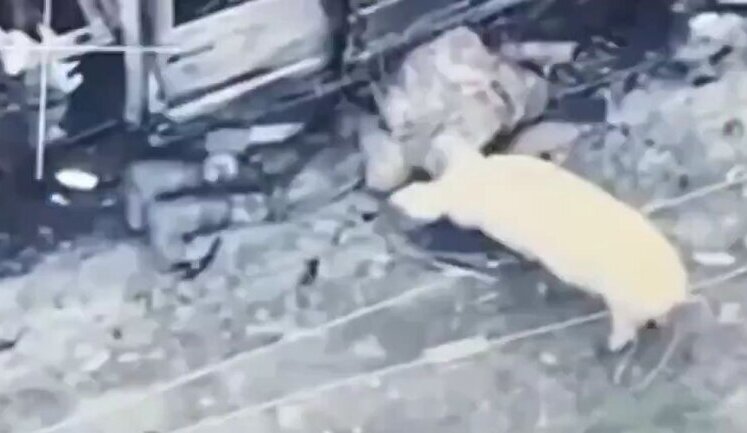
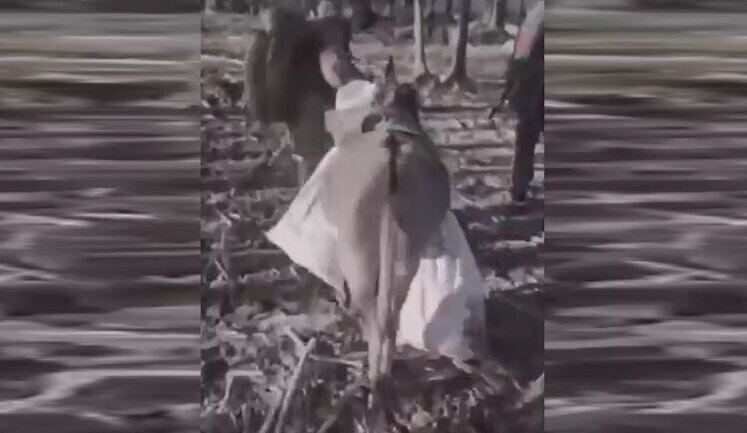
In the ongoing conflict in Ukraine, the presence of animals in combat zones provides a chilling and poignant reflection of the war's reality. Shocking videos and images have surfaced, depicting animals interacting with remains of soldiers, such as a flock of crows pecking at fallen Russian combatants and stray dogs scavenging on the battlefield. These unsettling images highlight the harsh conditions left in the aftermath of battle. Meanwhile, heartwarming interactions capture Ukrainian soldiers feeding and caring for animals caught in the crossfire, showcasing a unique solidarity amid turmoil. The impact of war on flora and fauna is profound, from damaged shelters in Zaporizhzhia to animals used by Russian forces. Animals have become both victims and unforeseen allies, portraying a grim yet hopeful perspective in Ukraine's struggle against aggression.
How are animals impacting the Ukraine conflict on the front lines?
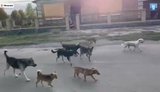
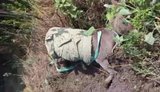
Animals have inadvertently become part of the conflict, often seen scavenging on battlefields or affected by military operations. Stray animals, such as dogs and birds, interact with human remains, underscoring the brutal consequences of the war. Additionally, domestic animals and wildlife suffer from habitat destruction due to shelling.
What roles do animals play in the tactical strategies of Ukrainian troops?
While not formally part of military operations, animals sometimes assist Ukrainian troops in unexpected ways. Videos have shown dogs and other animals interacting with logistics platforms, providing emotional support and companionship to soldiers. These heartwarming moments exhibit the deep connections between troops and animals amidst war.
Have there been instances of animals directly used by Russian forces during the conflict?
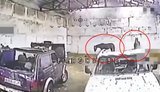
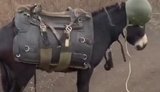
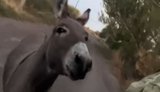
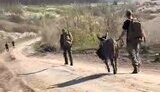
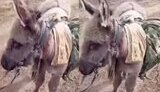
Yes, there have been reports of Russian forces using animals, such as donkeys, for transporting equipment. Kremlin propagandists have even praised the use of horses in operations, highlighting allegedly useful attributes like noise reduction and mine detection. Such practices underscore the dire logistical circumstances faced by the invading troops.
How are Ukrainian shelters coping with the increased number of injured animals?
Ukrainian shelters are struggling to accommodate the surge in displaced and injured animals due to ongoing military strikes damaging facilities and habitats. Shelters, such as those in Zaporizhzhia, have reported being unable to manage the high intake of injured animals, needing more resources and support to handle the crisis.
What is the public reaction to the involvement of animals in the Ukraine conflict?
The public response is mixed, with widespread sympathy for animals caught in the crossfire and used by military forces. Videos and photos featuring animals have sparked online discussions about the broader ecological consequences of the conflict, drawing attention to both humanitarian and animal welfare issues. This has led to increased advocacy for the protection of both human and animal lives in war zones.