ENG




4937 visitors online
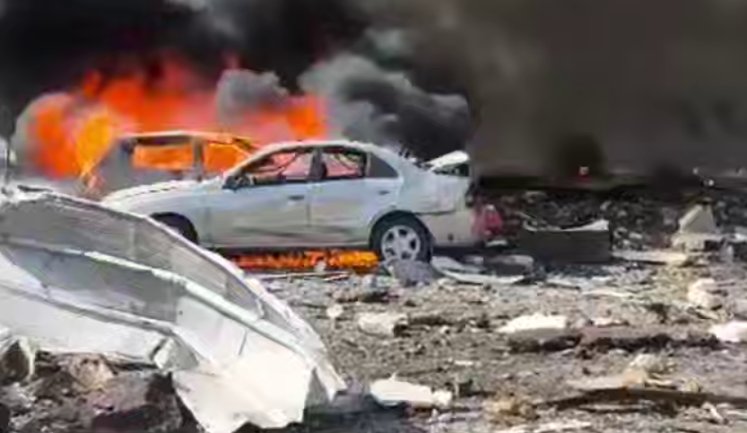
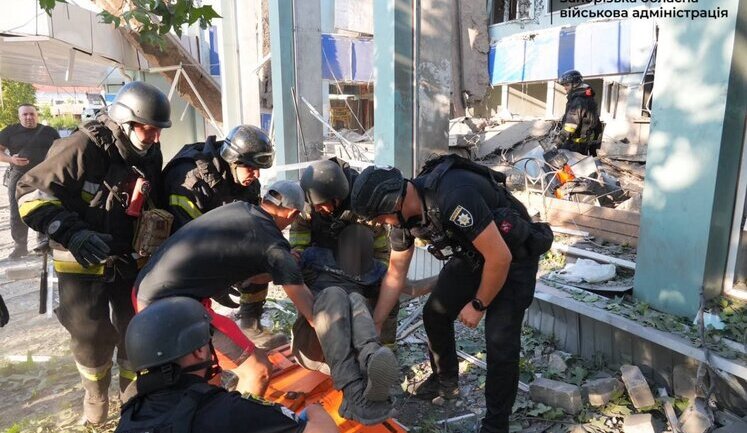
Recent weeks have seen a sharp escalation in the shelling of Zaporizhzhia by Russian forces, causing widespread devastation and loss. The attacks have resulted in numerous casualties, with civilian infrastructure, including gas stations and logistics terminals, being targeted. Reports indicate over 40 settlements were hit in a single day, leading to severe damages and sparking fires. Ukrainian President Volodymyr Zelenskyy and other international figures have condemned these actions, demanding accountability and increased global pressure on Russia. The city has declared a Day of Mourning, reflecting the community's grief and resilience amid continuous assaults. The world watches as Zaporizhzhia endures relentless bombardments.
What is the current situation about the shelling in Zaporizhzhia?
The shelling of Zaporizhzhia has intensified, with repeated attacks causing significant casualties and damages. Civilian infrastructure, including residential areas and public facilities, has been targeted, leading to global condemnation and calls for increased international support for Ukraine.
How many casualties have been reported due to the recent attacks in Zaporizhzhia?
The recent attacks on Zaporizhzhia have led to dozens of casualties, with reports of at least 32 injuries and multiple deaths. The toll includes both civilians and emergency responders, highlighting the severity of the shelling's impact on the community.
What specific incidents have occurred in Zaporizhzhia recently?
Recent incidents in Zaporizhzhia include targeted strikes on a maternity hospital, logistics facilities, and gas stations. These attacks have led to fires, structural damage, and numerous casualties, further intensifying the humanitarian crisis in the region.
What has been the international response to the shelling of Zaporizhzhia?
International response to the shelling includes condemnation from global leaders and organizations. Calls for increased sanctions against Russia and greater support for Ukraine have been made, urging stronger international diplomatic and humanitarian efforts.
How has the Ukrainian government responded to the attacks on Zaporizhzhia?
The Ukrainian government has condemned the shelling of Zaporizhzhia, with President Zelenskyy describing Russia’s actions as insanity. Efforts are focused on providing aid to victims and strengthening defensive measures to protect citizens from further attacks.
What are the most affected areas in Zaporizhzhia due to shelling?
The most affected areas in Zaporizhzhia include residential neighborhoods, strategic facilities like logistics terminals, and public infrastructure. These areas have suffered from fires, structural collapses, and significant civilian casualties.
w117_header_alt Shelling of Zaporizhzhia
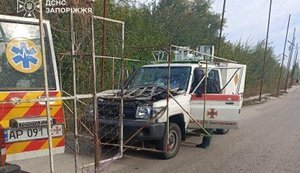
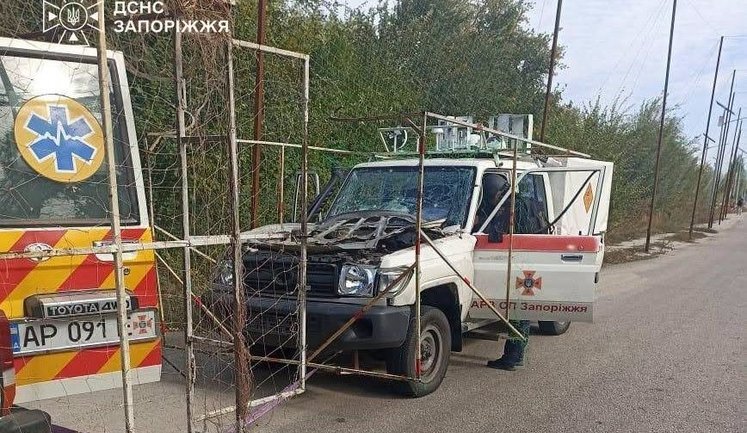
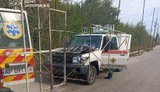 Enemy drone attacked SES bomb disposal vehicle in Zaporizhzhia: rescue workers managed to jump out before strike. PHOTO In Zaporizhzhia, a Russian drone carried out a targeted attack on a vehicle belonging to the State Emergency Service’s bomb disposal unit, which was on its way to carry out a mission. The bomb disposal experts managed to jump out of the vehicle a moment before the strike. 767 1 Previously in trend: Shelling of Zaporizhzhia
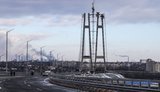 For second day in row, Ruscists are launching combined strikes on bridges in Zaporizhzhia Over the course of two days, Russian troops launched combined strikes on bridges in Zaporizhzhia. The attacks damaged a cable-stayed bridge, but traffic was quickly restored each time. 1 968 2 Previously in trend: Shelling of Zaporizhzhia
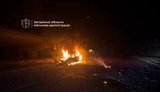 Russia attacked bridge over Dnipro in Zaporizhzhia: five people injured (updated). PHOTO On the morning of 6 October, the enemy attacked one of the bridges across the Dnipro in Zaporizhzhia. As a result of the attack, traffic across the bridge has been temporarily suspended. 4 953 6 Previously in trend: Shelling of Zaporizhzhia
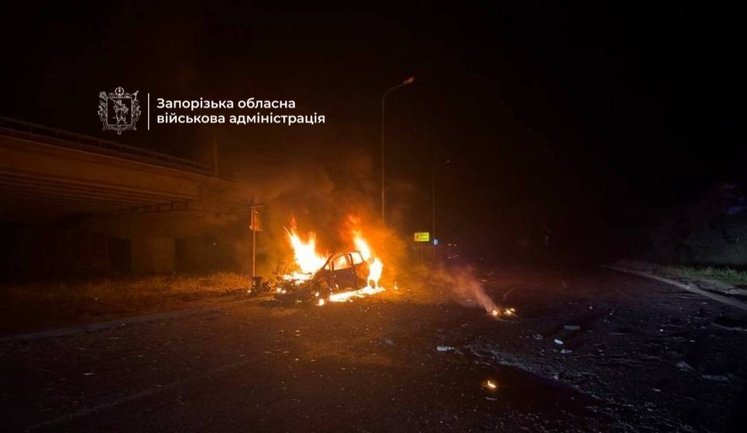
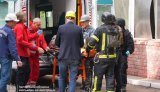 Russia strikes infrastructure facility in Zaporizhzhia: 33 injured, fire at impact site (updated) On the afternoon of 28 September, Russian troops attacked Zaporizhzhia. The enemy targeted a piece of the city’s infrastructure. 3 145 7 Previously in trend: Shelling of Zaporizhzhia
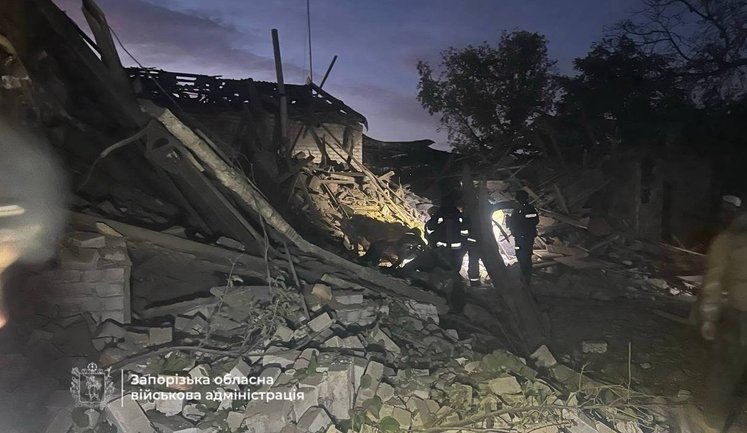
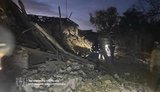 Russia struck Zaporizhzhia: bodies of two women were recovered from rubble of destroyed building. VIDEO+PHOTOS On the morning of 26 September, Russian troops carried out several strikes on Zaporizhzhia. A private house was destroyed as a result of the attack. 2 278 5 Previously in trend: Shelling of Zaporizhzhia
 Russian forces struck bus in Zaporizhzhia with FPV drone: no casualties were reported. PHOTOS Russian occupiers attacked civilian transport in Zaporizhzhia with an FPV drone this morning. The strike damaged a bus. There were no casualties. 1 045 3 Previously in trend: Shelling of Zaporizhzhia
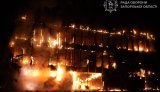 Russia attacked Zaporizhzhia overnight: high-rise blocks, shopping centre and educational institution were damaged; there are casualties. VIDEO+PHOTOS On the night of 21 September, Russian forces attacked Zaporizhzhia with drones. The strikes damaged high-rise buildings, a shopping centre and an educational institution. The number of casualties has risen to five. 3 518 11 Previously in trend: Shelling of Zaporizhzhia
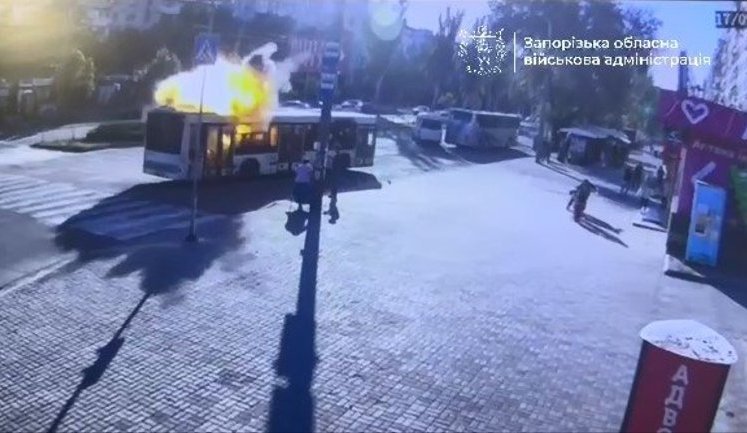
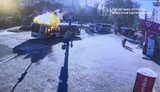 Russians strike passenger bus with FPV drone in Zaporizhzhia: eight people reported wounded, one in serious condition. VIDEO (updated) Today, 17 September, Russian forces attacked a passenger bus with an FPV drone in the Kosmichnyi district of Zaporizhzhia. There were people on board. 4 172 6 Previously in trend: Shelling of Zaporizhzhia
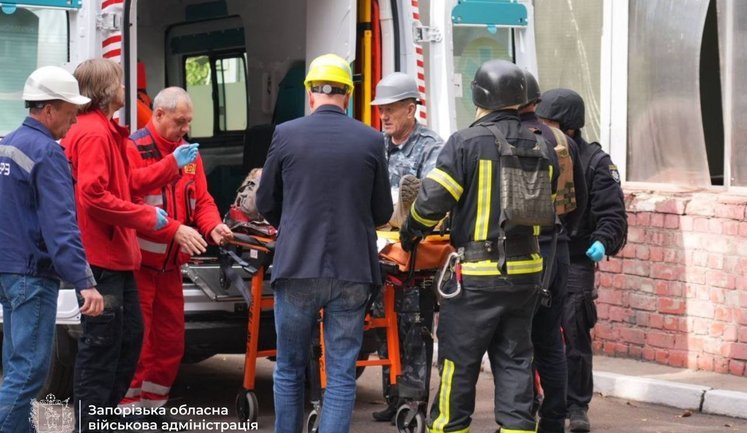
 Occupiers attacked ambulance in Zaporizhzhia: two medics wounded Today, 17 September, Russian troops again struck Zaporizhzhia, this time attacking those who save lives every day. 885 2 Previously in trend: Shelling of Zaporizhzhia
 Russian missile strike on Zaporizhzhia: three people injured On the morning of 17 September, Russian forces launched a missile strike on Zaporizhzhia. The enemy targeted industrial facilities. 1 820 1 Previously in trend: Shelling of Zaporizhzhia
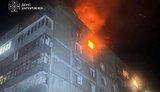 Russian forces struck Zaporizhzhia with drones: woman and her 10-year-old son were injured. PHOTOS Overnight, Russian occupiers launched a massive drone attack on Zaporizhzhia. A 32-year-old woman and her 10-year-old son were injured. 1 321 0 Previously in trend: Shelling of Zaporizhzhia
 Enemy attacked Zaporizhzhia this morning: there are casualties. PHOTO On the morning of 6 September 2026, the enemy launched yet another attack on Zaporizhzhia. 1 716 3 Previously in trend: Shelling of Zaporizhzhia
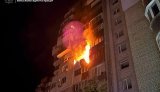 Russia attacked Kropyvnytskyi and Zaporizhzhia: one person injured, fires broke out. PHOTO Russia has launched jet-powered drones at Kropyvnytskyi – one person has been injured. 1 941 0 Previously in trend: Shelling of Zaporizhzhia Shahed attack on Kropyvnytskyi
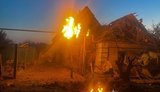 Russia struck Zaporizhzhia and surrounding region with FPV drones this morning: one person killed and five injured. PHOTOS On the morning of 30 August, Russian troops attacked Zaporizhzhia and other towns and villages in the region using FPV drones and guided aerial bombs. A 73-year-old woman was killed in the strikes, and five other people were injured. 894 2 Previously in trend: Shelling of the Zaporizhzhia region Shelling of Zaporizhzhia
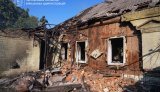 Enemy attacked Zaporizhzhia: building was damaged and one person was injured. PHOTOS Russian troops have struck Zaporizhzhia. A private house was damaged in the attack; one person is reported to have been injured. 786 0 Previously in trend: Shelling of the Zaporizhzhia region Shelling of Zaporizhzhia
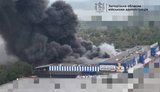 Ruscists attacked "Epicenter" in Zaporizhzhia: there are injuries. VIDEO&PHOTOS Russian occupiers attacked a shopping center in Zaporizhzhia. 4 039 8 Previously in trend: Shelling of Zaporizhzhia
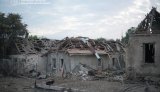 Three people, including two 17-year-old girls, have been injured as result of Russian Federation’s attack on Zaporizhzhia Today, 26 August, Russian forces launched a drone strike on Zaporizhzhia, resulting in injuries. 612 0 Previously in trend: Shelling of Zaporizhzhia
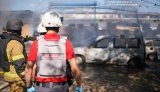 Russians strike Zaporizhzhia: seven injured, parking lot catches fire. PHOTOS Today, 25 August, Russian forces attacked a UAV in Zaporizhzhia, resulting in injuries. 1 391 1 Previously in trend: Shelling of Zaporizhzhia
 Russia struck Zaporizhzhia with guided aerial bomb: two people were killed On the night of 25 August, Russian forces launched a guided air strike on Zaporizhzhia. 1 761 5 Previously in trend: Shelling of Zaporizhzhia
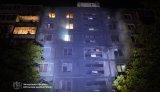 In Zaporizhzhia, Russian drone damaged block of flats, causing fire. PHOTOS In Zaporizhzhia, a block of flats was damaged following an attack by a Russian drone, and a fire broke out in one of the flats. 1 316 1 Previously in trend: Shelling of Zaporizhzhia Russian attack on Zaporizhzhia
 Enemy attacked civilian transport in Zaporizhzhia and surrounding area: there are casualties, including child. VIDEO At least three people have been injured in Zaporizhzhia following a Russian attack on a minibus. There are also casualties as a result of enemy attacks on the Zaporizhzhia district. 1 489 0 Previously in trend: Shelling of the Zaporizhzhia region Shelling of Zaporizhzhia
Russian forces struck private sector in Zaporizhzhia with KAB bomb: house was destroyed and there was damage. VIDEO+PHOTOS In the early hours of 19 August 2026, a Russian guided aerial bomb destroyed a private house in one of Zaporizhzhia’s districts. 1 086 0 Previously in trend: Shelling of Zaporizhzhia
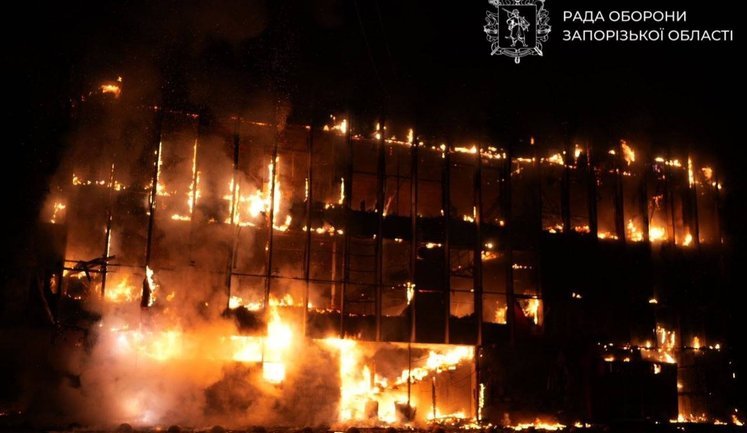
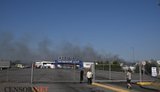 Completely destroyed: aftermath of Russian strike on Epicentr in Zaporizhzhia. PHOTOS On the night of 12 August, Russian drones destroyed an Epicentr shopping centre in Zaporizhzhia. 5 837 14 Previously in trend: Shelling of Zaporizhzhia
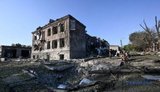 Zaporizhstal steelworks halts operations after Russian ballistic missile strike: 7 workers killed The Zaporizhstal steelworks came under a large-scale combined strike launched by Russia against Zaporizhzhia on the night of 11 August, forcing it to halt operations completely. 5 421 44 Previously in trend: Shelling of Zaporizhzhia
 Seven killed and dozens injured: Day of mourning declared in Zaporizhzhia region following occupiers’ strike Tomorrow, 12 August, has been declared a day of mourning in the Zaporizhzhia region for those killed in the overnight enemy strike on Zaporizhzhia. 1 287 3 Previously in trend: Shelling of Zaporizhzhia
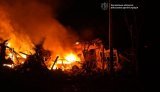 Strike on Zaporizhzhia: six dead, dozens injured. VIDEO+PHOTO Six people were killed and a further 19 were injured in Zaporizhzhia as a result of a Russian attack. 4 689 13 Previously in trend: Shelling of Zaporizhzhia
 Russian shelling leaves two villages in Zaporizhzhia region without electricity, over 5,000 consumers cut off from power – RMA More than 5,000 consumers in the Zaporizhzhia district were left without electricity as a result of Russian attacks. Two settlements were completely cut off from the power supply. 463 0 Previously in trend: Shelling of Zaporizhzhia
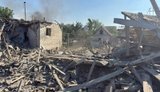 Occupiers struck Zaporizhzhia twice: woman has died, number of victims has risen to 31. VIDEO+PHOTO (updated) On Sunday, 2 August, Russian invaders attacked the residential areas of Zaporizhzhia. Later, the enemy struck the city again. 2 963 27 Previously in trend: Shelling of Zaporizhzhia
Russia has attacked Zaporizhzhia: fire is raging. VIDEO Zaporizhzhia has come under yet another enemy attack, which resulted in a fire. 2 545 0 Previously in trend: Shelling of Zaporizhzhia Russian attack on Zaporizhzhia
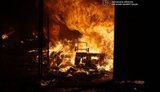 Russians attacked Zaporizhzhia: there are casualties, shopping centre is on fire. PHOTOS On the night of 25 July , Russian occupying forces launched an attack on Zaporizhzhia. There are casualties, and a fire broke out at the site of the strike. 3 222 1 Previously in trend: Shelling of Zaporizhzhia
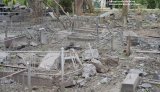 Russians strike Zaporizhzhia with KABs: people wounded, one man in serious condition, cemetery damaged. VIDEO+PHOTOS Today, 24 July, Russian forces carried out another strike on Zaporizhzhia, injuring people. 1 647 1 Previously in trend: Shelling of the Zaporizhzhia region Shelling of Zaporizhzhia
 More than 1,800 hectares of crops lost in Zaporizhzhia region due to Russian strikes More than 1,800 hectares of crops will not be harvested in the Zaporizhzhia region this year due to Russian shelling. In addition, farmers have already lost more than 250 pieces of agricultural machinery, while dozens of grain storage facilities and production sites have been destroyed. 429 3 Previously in trend: Shelling of Zaporizhzhia
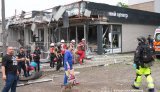 Russians strike Zaporizhzhia: 25 injured reported, including six children. VIDEO&PHOTOS (updated) Today, 23 July, Russian forces struck Zaporizhzhia, injuring several people. 6 616 23 Previously in trend: Shelling of the Zaporizhzhia region Shelling of Zaporizhzhia
 Enemy has struck Zaporizhzhia and surrounding area: there is one fatality and several people have been injured Russian troops have attacked Zaporizhzhia and the village of Lezhyne in the Zaporizhzhia district. Initial reports indicate that one person has been killed and there are casualties. 882 0 Previously in trend: Shelling of the Zaporizhzhia region Shelling of Zaporizhzhia
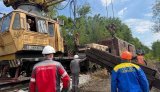 "Zaporizhzhiaoblenergo" and "Zaporizhstal" pooled their equipment and resources to deal with aftermath of attack. PHOTOS The latest enemy strike on Zaporizhzhia has posed a new challenge for the city’s energy and industrial infrastructure. A high-voltage power line supplying the substation that powers ‘Zaporizhstal’ was damaged. 1 272 4 Previously in trend: Shelling of Zaporizhzhia Electricity restoration
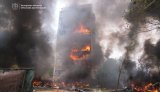 Russia struck residential areas of Zaporizhzhia with KABs: 3 killed, 13 injured, buildings ablaze (updated). VIDEO+PHOTOS On the morning of 21 July 2026, Russian forces launched a strike on Zaporizhzhia using KABs. 4 843 13 Previously in trend: Shelling of Zaporizhzhia
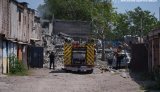 Russia has struck Zaporizhzhia with guided bombs for second time in 24 hours: one person has been killed and others injured. PHOTOS On the afternoon of 20 July, Russian occupying forces once again attacked Zaporizhzhia with guided aerial bombs. 1 558 6 Previously in trend: Shelling of Zaporizhzhia
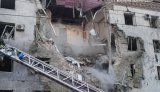 Death toll from Russian Federation’s strike on Zaporizhzhia has risen to three: 11-year-old girl was killed The death toll from the Russian attack on July 19 has risen in Zaporizhzhia. 2 074 6 Previously in trend: Shelling of Zaporizhzhia
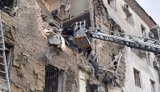 Occupiers struck Zaporizhzhia: two people killed, 42 injured, including 8 children (updated). PHOTOS On Sunday, 19 July, Russian occupation forces launched KAB strikes on Zaporizhzhia. Preliminary reports indicate fatalities and three injuries. 3 002 17 Previously in trend: Shelling of the Zaporizhzhia region Shelling of Zaporizhzhia
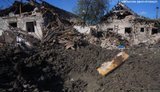 Enemy struck Zaporizhzhia with KAB bombs: five injured, including two children. PHOTOS On Saturday, 18 July, Russian forces carried out air strikes on Zaporizhzhia. There are casualties, including children. 1 312 2 Previously in trend: Shelling of Zaporizhzhia
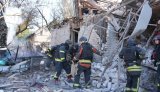 Russians attacked Zaporizhzhia with aerial bombs: three killed. PHOTOS Russian forces struck Zaporizhzhia with guided aerial bombs, killing three people and injuring three others. 1 316 4 Previously in trend: Shelling of Zaporizhzhia Russian attack on Zaporizhzhia
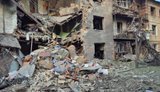 Russian strike on Zaporizhzhia: death toll rises to three, 15 injured The death toll from the Russian Federation’s strike on Zaporizhzhia on the afternoon of 15 July has risen to three. There are now 15 people injured. 1 462 1 Previously in trend: Shelling of Zaporizhzhia
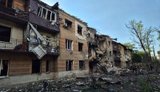 Russians strike Zaporizhzhia and region’s critical infrastructure: fatalities and injuries reported. PHOTOS On Wednesday, 15 July, Russian forces struck one of the districts of Zaporizhzhia. Critical infrastructure in the region was also targeted. There were fatalities and injuries. 1 602 2 Previously in trend: Shelling of the Zaporizhzhia region Shelling of Zaporizhzhia
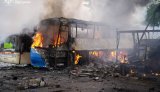 "Russian leadership has lost its mind because of war," Zelenskyy said in response to Russia’s overnight strikes on civilian targets in Ukraine. PHOTOS Today, 13 July 2026, Russian forces carried out strikes on civilian targets in several cities across Ukraine. 5 425 23 Previously in trend: Shelling of Odesa Shelling of Zaporizhzhia
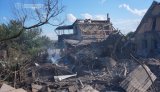 Russians attacked Zaporizhzhia with KAB bombs: three injured. VIDEO+PHOTOS Today, 11 July, Russian troops launched an attack on Zaporizhzhia; there are casualties. 1 471 0 Previously in trend: Shelling of the Zaporizhzhia region Shelling of Zaporizhzhia
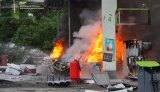 Occupiers attacked gas station in Zaporizhzhia: one person killed and three wounded, fire broke out. VIDEO+PHOTOS Today, July 9, the Russian army struck a gas station in Zaporizhzhia, killing one person and injuring others. 2 403 5 Previously in trend: Shelling of Zaporizhzhia Drone attacks on gas stations
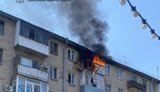 Russian forces struck high-rise building in Zaporizhzhia: fire broke out. PHOTOS Russian invaders have attacked a high-rise building in Zaporizhzhia. 1 113 0 Previously in trend: Shelling of Zaporizhzhia
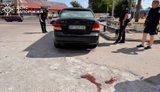 Ruscists attack Zaporizhzhia with UAV: two people killed, injuries reported. PHOTOS Russian troops attacked Zaporizhzhia with a UAV, killing a woman. 2 466 5 Previously in trend: Shelling of Zaporizhzhia Drone attacks on gas stations
Page 1 of 4
more news