ENG




11773 visitors online
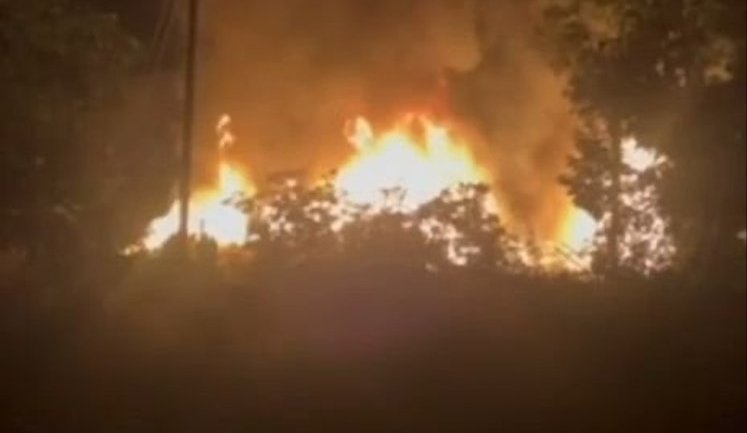
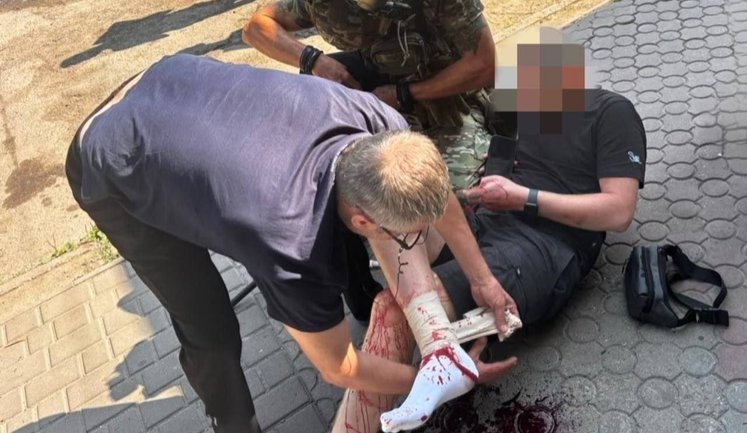
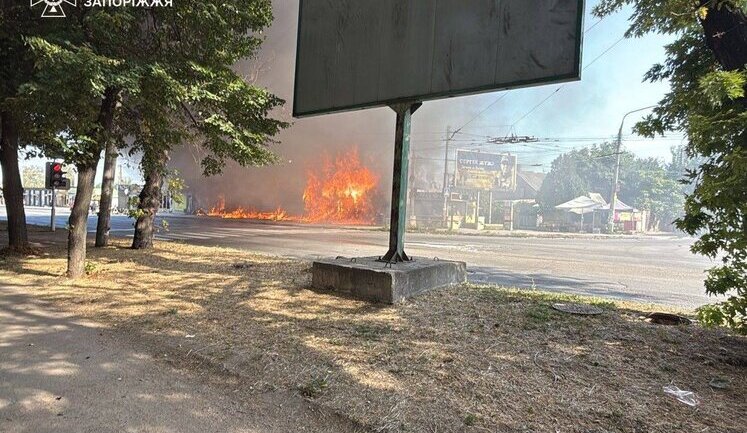
Russian forces have repeatedly attacked Zaporizhzhia, causing significant casualties and damage. On March 24, 2026, missiles and drones were launched, resulting in fires and infrastructure destruction. Residential and industrial areas were targeted, leading to civilian injuries and fatalities. The attacks have disrupted essential services, leaving residents without electricity and heat. Both emergency services and humanitarian efforts are in response mode, highlighting the ongoing humanitarian crisis in the region. Stay informed with our comprehensive coverage of the developments and international reactions to the Russian strikes on Zaporizhzhia.
What was the extent of the damage in Zaporizhzhia from Russian attacks?
The Russian attacks on Zaporizhzhia have resulted in extensive damage to both civilian and industrial infrastructure. Residential buildings, petrol stations, and essential services have been severely affected, leading to power outages and disrupted water supply. Fires have broken out due to the strikes, further exacerbating the situation.
How many casualties have been reported due to these attacks?
The attacks have resulted in numerous casualties, including fatalities and injuries. Reports indicate multiple civilians have been killed, and many others, including children, have sustained injuries. The number of casualties continues to rise as rescue operations uncover more victims.
How has the international community reacted to the strikes on Zaporizhzhia?
The international community has strongly condemned the Russian attacks on Zaporizhzhia. Global leaders and organizations have called for an immediate cessation of hostilities and for Russia to respect international law. Humanitarian aid and support have been mobilized to assist affected civilians.
What measures are being taken to assist the affected residents?
Efforts to assist residents include emergency services providing medical aid and rescue operations. Humanitarian organizations are delivering essential supplies, such as food and water, and helping restore utility services. Local authorities are coordinating with international partners to manage the crisis effectively.
What are the primary targets of the Russian attacks in Zaporizhzhia?
The Russian attacks have primarily targeted civilian infrastructure, including residential areas, petrol stations, and industrial facilities. Critical infrastructure, such as power grids and water supply systems, has also been affected, leading to widespread outages and service disruptions in the region.
How are local authorities responding to the ongoing attacks?
Local authorities in Zaporizhzhia are actively responding to the crises by coordinating rescue and relief operations. They are working with emergency services to ensure the safety and recovery of residents. Efforts are underway to repair damaged infrastructure and restore public services as quickly as possible.
w117_header_alt Russian attack on Zaporizhzhia
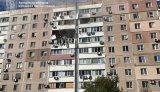 Apartment hit: child injured in Russian strike on Zaporizhzhia Russian forces again attacked a residential building in Zaporizhzhia on October 6, injuring a five-year-old girl. 489 0 Previously in trend: Russian attack on Zaporizhzhia
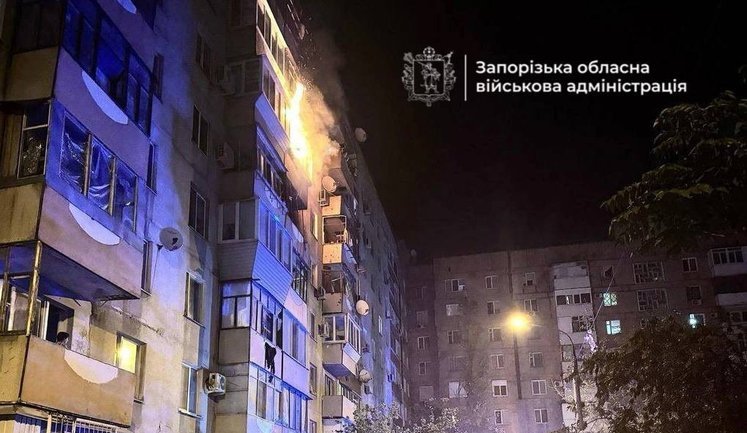
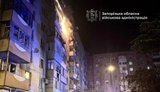 Russians attacked high-rise in Zaporizhzhia: number of injured people has risen to five. PHOTOS (updated) On the evening of October 5, Russian forces struck a residential building in Zaporizhzhia. 2 297 0 Previously in trend: Russian attack on Zaporizhzhia
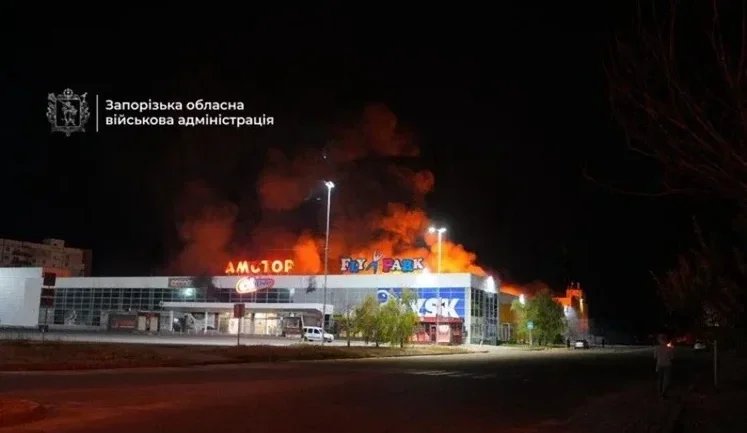
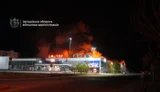 Russia strikes shopping centre in Zaporizhzhia: fire breaks out. PHOTO (updated) On the evening of 22 September, the Russian occupation army attacked Zaporizhzhia. The strike sparked a fire at a shopping centre in the city’s Pivdennyi neighbourhood. 2 382 2 Previously in trend: Russian attack on Zaporizhzhia
 Zaporizhzhia attacked by Russian drones: massive fire broke out in a supermarket. VIDEO A fire broke out in one of the shopping centres following an attack by enemy drones on Zaporizhzhia. 3 202 8 Previously in trend: Russian attack on Zaporizhzhia
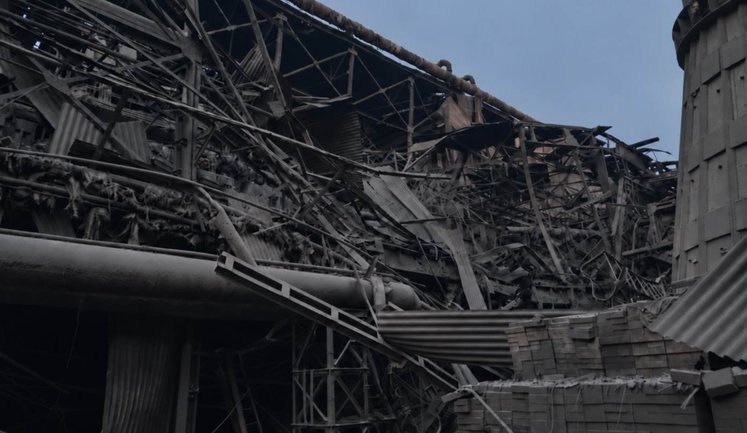
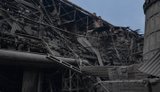 "Zaporizhstal" has endured its fourth ballistic attack in month: one employee injured. PHOTO On the morning of 17 September, Russian occupying forces attacked ‘Zaporizhstal’ with two ballistic missiles. The strike damaged industrial sites, utility networks, and railway infrastructure; one person has been injured. 1 650 5 Previously in trend: Russian attack on Zaporizhzhia
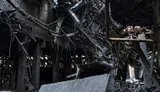 Russia has attacked "Zaporizhstal" for third time this month: four people injured. PHOTOS Overnight, the Russians launched ballistic missiles at ‘Zaporizhstal’ for the third time this month. Four workers were injured, and the damage to the plant is critical. 1 561 1 Previously in trend: Russian attack on Zaporizhzhia
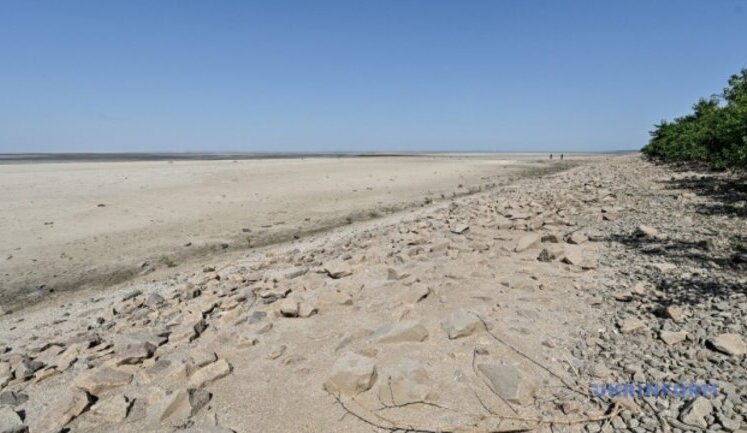
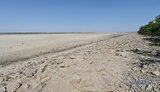 Russians are planning route to Zaporizhzhia through bottom of Kakhovka reservoir, - NYT Russian troops are attempting to use the area of the former Kakhovka Reservoir as a new route to advance toward Zaporizhzhia. After the Kakhovka Hydroelectric Power Plant was blown up, the reservoir dried up, and its bottom became overgrown with dense vegetation, making it difficult to use drones. 11 073 25 Previously in trend: Russian attack on Zaporizhzhia Fightings in the Zaporizhzhia direction
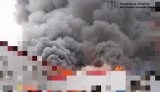 Russia attacked Zaporizhzhia: enterprise was damaged, and fire broke out On the morning of August 27, Russian troops launched an attack on Zaporizhzhia. 1 004 2 Previously in trend: Russian attack on Zaporizhzhia
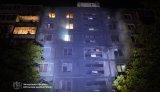 In Zaporizhzhia, Russian drone damaged block of flats, causing fire. PHOTOS In Zaporizhzhia, a block of flats was damaged following an attack by a Russian drone, and a fire broke out in one of the flats. 1 317 1 Previously in trend: Shelling of Zaporizhzhia Russian attack on Zaporizhzhia
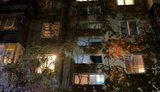 Russia attacked Zaporizhzhia with drone: apartment building damaged, one person injured. PHOTO On the evening of August 18, Russian forces attacked Zaporizhzhia with a drone. A man was injured in the strike. 824 1 Previously in trend: Russian attack on Zaporizhzhia UAV attack on Zaporizhzhia
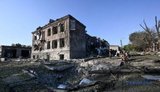 Russian night-time strike on Zaporizhzhia: state-owned enterprise ’Zaporizhstandartmetrolohiia’ and business premises destroyed. PHOTOS As a result of a combined night-time strike on Zaporizhzhia, the building housing the state-owned enterprise ‘Zaporizhstandardmetrolohiia’ was damaged. 2 134 1 Previously in trend: Russian attack on Zaporizhzhia
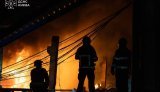 Moscow is preparing for escalation, – Zelenskyy responds to Russia’s overnight strikes on Zaporizhzhia and Kyiv. PHOTOS Work has been ongoing since last night to clear up the aftermath of the Russian strike in Zaporizhzhia. 2 761 31 Previously in trend: Sanctions against Russia Russian attack on Zaporizhzhia Missile and drone attack on Kyiv
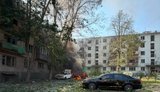 Occupiers dropped KAB on Zaporizhzhia: 4 injured, cars on fire, building damaged (updated). PHOTOS On the morning of 10 August 2026, Russian forces carried out an air strike on Zaporizhzhia. 1 553 4 Previously in trend: Shelling of the Zaporizhzhia region Russian attack on Zaporizhzhia
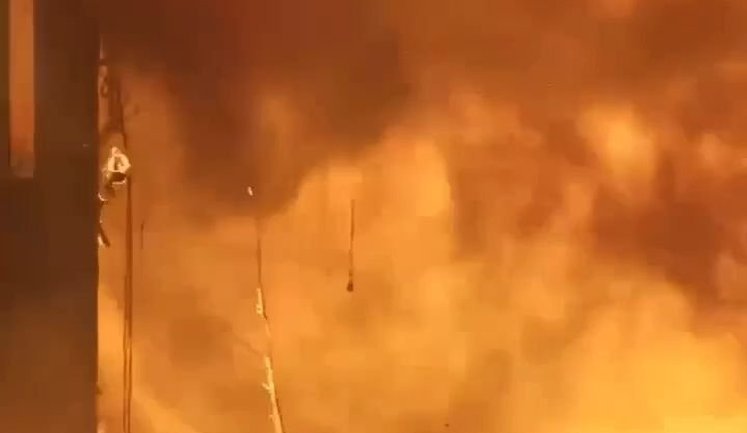
 Russia has attacked Zaporizhzhia: fire is raging. VIDEO Zaporizhzhia has come under yet another enemy attack, which resulted in a fire. 2 545 0 Previously in trend: Shelling of Zaporizhzhia Russian attack on Zaporizhzhia
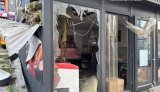 Russia has struck retail outlet in Zaporizhzhia: four people have been injured, including three children. PHOTOS Russian occupiers have struck a shop in one of Zaporizhzhia’s districts. According to the latest reports, four people were injured in the attack, including three children. 1 679 2 Previously in trend: Russian attack on Zaporizhzhia
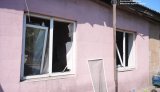 Occupiers launched KAB strike on Zaporizhzhia: two injured. PHOTO During the day, Russian invaders launched a second round of KAB strikes on Zaporizhzhia. 957 4 Previously in trend: Russian attack on Zaporizhzhia
 KAB strike on Zaporizhzhia: 67-year-old man has died, search for people trapped under rubble continues. VIDEO+PHOTOS Overnight, the enemy attacked Zaporizhzhia with drones and KAB bombs. A residential building was damaged as a result of one of the strikes. 2 863 4 Previously in trend: Russian attack on Zaporizhzhia
 Russian forces struck Zaporizhzhia: two men wounded, one of them in serious condition. PHOTO On the morning of 26 July 2026, Russian forces launched strikes on Zaporizhzhia. 3 226 14 Previously in trend: Russian attack on Zaporizhzhia
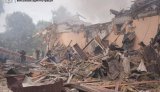 Enemy attacked Zaporizhzhia: one woman was killed and 11 people were wounded, including three children (updated). VIDEO+PHOTOS A fire has broken out in a residential area in Zaporizhzhia following a Russian strike. According to preliminary reports, two people have been injured. 2 213 4 Previously in trend: Russian attack on Zaporizhzhia
 Russia has struck Zaporizhzhia again: fires have broken out Russian troops have once again shelled Zaporizhzhia. 1 130 4 Previously in trend: Russian attack on Zaporizhzhia
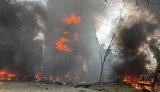 Rescue operations are ongoing following KAB strikes on Zaporizhzhia: two people have already been killed, – Zelenskyy. PHOTOS A rescue operation is currently underway in Zaporizhzhia at the sites of Russian air strikes. 1 305 3 Previously in trend: Drone attack on Odesa Russian attack on Zaporizhzhia
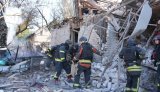 Russians attacked Zaporizhzhia with aerial bombs: three killed. PHOTOS Russian forces struck Zaporizhzhia with guided aerial bombs, killing three people and injuring three others. 1 318 4 Previously in trend: Shelling of Zaporizhzhia Russian attack on Zaporizhzhia
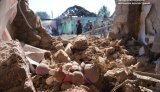 Twelve people now wounded in Russian KAB attack on Zaporizhzhia (updated) The number of people injured in the Russian guided aerial bomb strike on Zaporizhzhia and the surrounding district has risen to seven. 1 409 3 Previously in trend: Russian attack on Zaporizhzhia
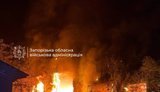 Russian drones struck Zaporizhzhia and Odesa: there are casualties and damage. PHOTOS (updated) On the evening of 12 July, Russian forces attacked Zaporizhzhia with drones, leaving two people injured. 2 100 0 Previously in trend: Drone attack on Odesa region Russian attack on Zaporizhzhia Shelling of Odessa region
 Russians strike Zaporizhzhia: one person killed and 16 injured, including child. VIDEO+PHOTOS (updated) Today, 10 July, Russian forces once again struck Zaporizhzhia, killing one person and wounding others. 2 785 28 Previously in trend: Russian attack on Zaporizhzhia
 Enemy struck factory in Zaporizhzhia with guided air bomb: man was injured and there is damage. PHOTO On the night of Tuesday, 7 July 2026, Russian forces carried out air strikes on Zaporizhzhia. One person was injured as a result of the enemy attack on the city. 1 180 3 Previously in trend: Russian attack on Zaporizhzhia
 Enemy strike on Zaporizhzhia: one person killed, 14 injured – RMA (updated). VIDEO&PHOTOS A high-rise building was damaged as a result of an enemy attack on Zaporizhzhia on Sunday, 5 July, according to Ivan Fedorov, head of the Zaporizhzhia Regional Military Administration. 3 209 9 Previously in trend: Russian attack on Zaporizhzhia
 Occupiers strike Zaporizhzhia: there are casualties, including child; car park has caught fire. PHOTOS On the afternoon of 4 July, Russian troops launched an attack on Zaporizhzhia, resulting in a car park catching fire and several people being injured. 2 970 17 Previously in trend: Russian attack on Zaporizhzhia
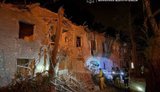 Russians have struck Zaporizhzhia once again: woman has been injured, and people may be trapped under rubble. VIDEO&PHOTOS Late in the evening of 3 July, Russian occupation forces launched yet another attack on Zaporizhzhia. A woman was injured, and there may be people trapped under the rubble. 1 308 0 Previously in trend: Russian attack on Zaporizhzhia
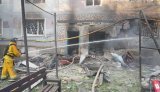 Russians strike Zaporizhzhia: two killed, 21 injured, including two children. PHOTOS (updated) Today, July 3, Russian troops struck an industrial enterprise in Zaporizhzhia, leaving people dead and injured. 3 919 28 Previously in trend: Russian attack on Zaporizhzhia
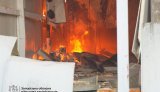 Russians attack Zaporizhzhia: warehouse and service station damaged. PHOTOS On the evening of 1 July, Russian troops attacked Zaporizhzhia. As a result of the strike, a warehouse and a vehicle service station were damaged. 1 055 1 Previously in trend: Russian attack on Zaporizhzhia
 Russia struck Zaporizhzhia with KABs: one woman injured, - RMA On the morning of July 1, Russian troops attacked Zaporizhzhia with guided bombs. 770 1 Previously in trend: Russian attack on Zaporizhzhia
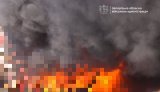 Russia attacks Zaporizhzhia with drone: one person wounded, fire at industrial facility. PHOTO On the afternoon of 30 June 2026, Russian troops once again attacked Zaporizhzhia. One person was wounded, and a fire broke out as a result of the enemy attack on the city. 724 0 Previously in trend: Russian attack on Zaporizhzhia
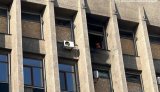 Occupiers strike building of Zaporizhzhia Regional State Administration again – Ivan Fedorov (updated) On Monday, June 29, Russian troops struck the building of the Zaporizhzhia Regional State Administration. 2 609 3 Previously in trend: Russian attack on Zaporizhzhia
 Consequences of Russian Federation’s strike on Zaporizhzhia: 9 injured, including two children; high-rise building partially destroyed. PHOTOS Nine people, including two children, were injured as a result of Russian air strikes on Zaporizhzhia overnight. 1 050 0 Previously in trend: Russian attack on Zaporizhzhia
 Occupiers struck petrol station in Zaporizhzhia with drone: one person injured. PHOTO Today, 21 June, Russian troops struck a petrol station in Zaporizhzhia. 1 461 0 Previously in trend: Russian attack on Zaporizhzhia
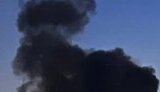 Occupiers launch another attack on Zaporizhzhia: man injured, railway infrastructure facilities and residential building damaged On the evening of 8 June, Russian invaders launched another strike on Zaporizhzhia. A 52-year-old man was injured. Infrastructure damage was reported. 740 0 Previously in trend: Russian attack on Zaporizhzhia
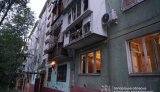 Fire broke out in high-rise building in Zaporizhzhia following Russian attack. PHOTOS On the night of 29 May, a Russian attack on Zaporizhzhia caused a fire and damaged a multi-storey residential building. 1 706 0 Previously in trend: Russian attack on Zaporizhzhia
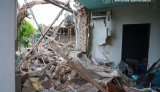 Russians attacked industrial infrastructure in Zaporizhzhia: three people reported injured. PHOTOS Russian troops once again struck Zaporizhzhia, this time targeting industrial infrastructure; casualties were reported. 1 028 0 Previously in trend: Russian attack on Zaporizhzhia
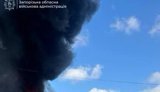 Strike on Zaporizhzhia: enemy struck industrial facility, leaving one dead and several injured. PHOTOS On the afternoon of 15 May, Russian occupiers struck Zaporizhzhia. The attack damaged industrial infrastructure and a fuel tanker. Black smoke can be seen rising above the city. 1 518 1 Previously in trend: Russian attack on Zaporizhzhia
 Day of Mourning declared in Zaporizhzhia on May 6 after Russian strike. VIDEO+PHOTOS A Day of Mourning has been declared in Zaporizhzhia on May 6 for those killed in a Russian strike with guided aerial bombs. 3 296 17 Previously in trend: Shelling of Zaporizhzhia Russian attack on Zaporizhzhia UAV attack on Zaporizhzhia
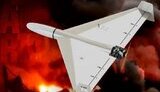 Russia attacks Zaporizhzhia with drones: two injured Russian forces again attacked Zaporizhzhia with attack drones, injuring civilians. 665 0 Previously in trend: Russian attack on Zaporizhzhia
Occupiers have struck Zaporizhzhia: five people have been injured, including 12-year-old girl Five people sustained shrapnel wounds as a result of an enemy strike on Zaporizhzhia. Among the victims is a 12-year-old girl. 1 472 1 Previously in trend: Russian attack on Zaporizhzhia UAV attack on Zaporizhzhia
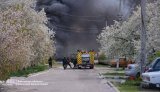 Russia attacked Zaporizhzhia: fire broke out in city, one person died (updated). PHOTOS On the afternoon of 20 April, Russian forces launched an attack on Zaporizhzhia. The attack sparked a fire; repeated explosions can be heard in the city and an air raid alert remains in force. 2 515 4 Previously in trend: Russian attack on Zaporizhzhia
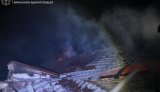 Russians attacked Zaporizhzhia: man was injured, houses were damaged, and fire broke out. PHOTOS Late in the evening of 17 April, Russian occupiers attacked Zaporizhzhia. One person is reported to have been injured. Buildings have been damaged and a fire has broken out. 1 384 3 Previously in trend: Russian attack on Zaporizhzhia UAV attack on Zaporizhzhia
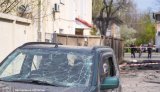 Russians strike Zaporizhzhia: 2-year-old child injured, 8 high-rise buildings damaged. VIDEO+PHOTOS Today, 16 April, Russian forces launched a drone strike on Zaporizhzhia, resulting in a child being injured. 1 773 1 Previously in trend: Russian attack on Zaporizhzhia
Russian drones attacked Zaporizhzhia district - civilian wounded, SES vehicle damaged Russian drones attacked the Zaporizhzhia district, resulting in the destruction of a civilian car and the wounding of a person. 711 0 Previously in trend: Russian attack on Zaporizhzhia
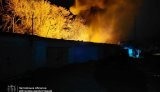 Enemy strike on Zaporizhzhia: one person killed, one injured One person was killed and another wounded in an enemy attack on Zaporizhzhia. 1 257 0 Previously in trend: Russian attack on Zaporizhzhia
Page 1 of 3
more news