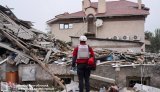
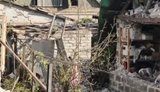
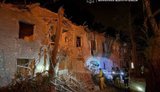
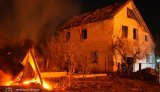
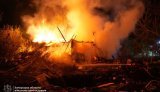
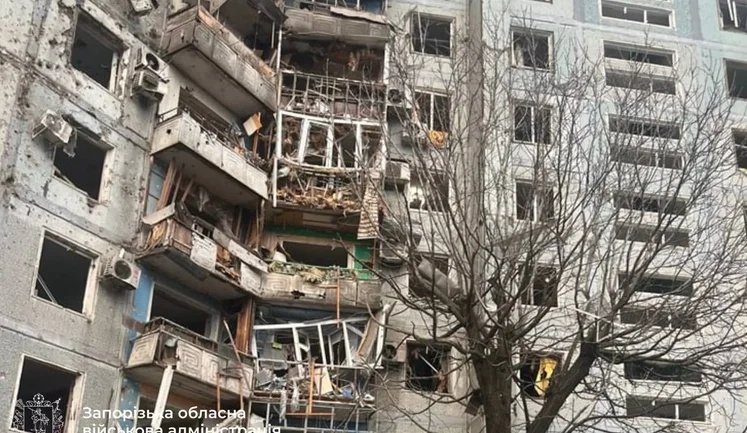
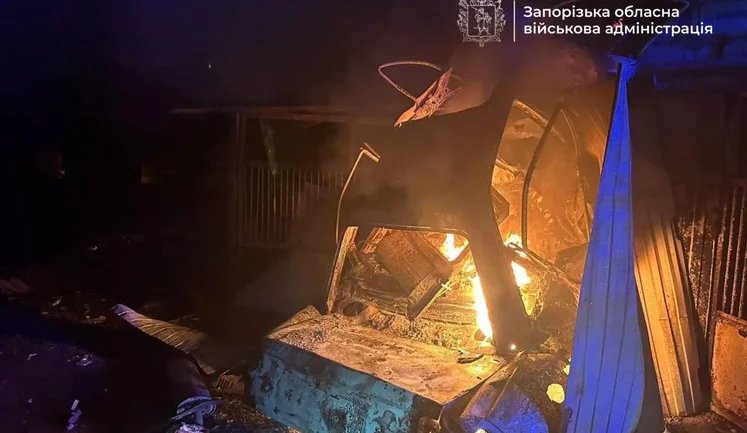
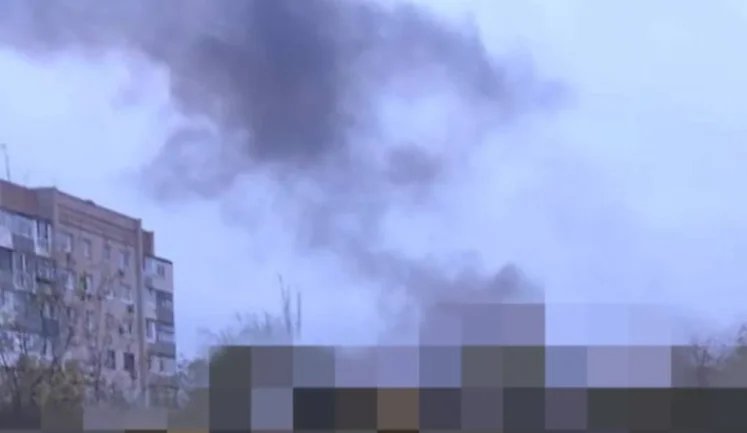
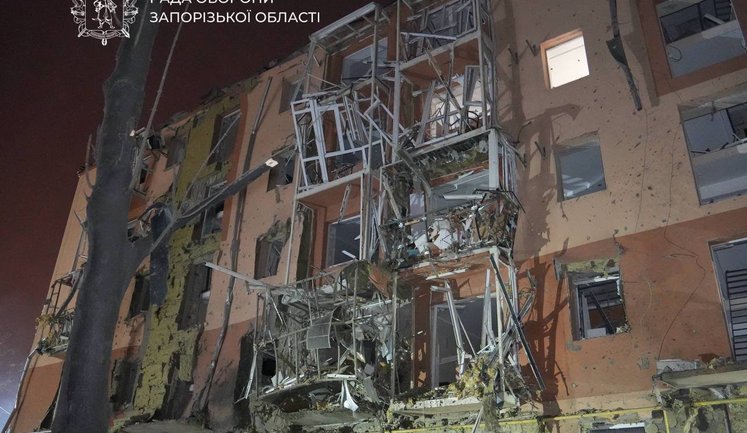
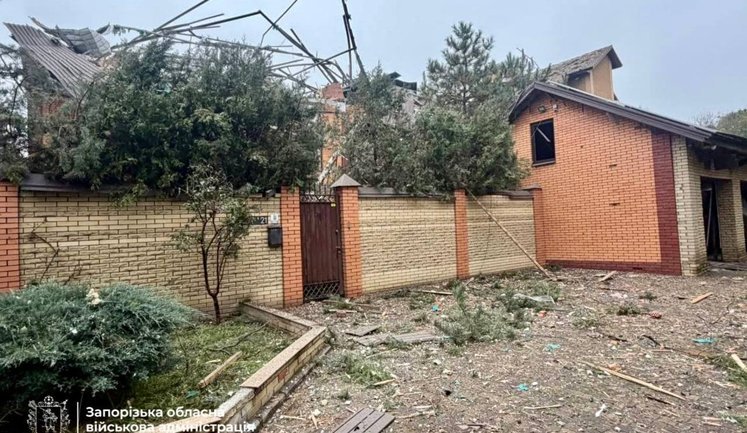
The Russian attack on Zaporizhzhia has escalated, with recent strikes causing multiple casualties and widespread damage. A recent attack on November 18th injured a local woman and set homes and cars ablaze. An earlier attack on November 17th targeted industrial facilities, resulting in two deaths and 42 injuries. Such attacks have been persistent, sparking fires across residential areas, damaging infrastructure, and leading to power cuts. Latvia has even called for an emergency UN Security Council meeting in response. From drone strikes on civilians to severe damage in humanitarian and industrial zones, the relentless hits portray a dire situation in Zaporizhzhia, highlighting the humanitarian crisis. Keywords include Russian attack Zaporizhzhia, casualties, residential and infrastructure damage.
What are the types of attacks happening in Zaporizhzhia?
Zaporizhzhia is facing varied attacks from Russian forces, including missile and drone strikes, as well as airstrikes on both residential and industrial areas. These attacks have caused extensive damage to infrastructure, sparked fires, and resulted in numerous casualties.
How many casualties have resulted from the recent attacks in Zaporizhzhia?
Recent attacks in Zaporizhzhia have resulted in numerous casualties. One of the significant strikes on November 17th led to two deaths and 42 injuries, with ongoing reports of more casualties and severe injuries from various district strikes by Russian forces.
Which facilities have been targeted during the Russian attacks on Zaporizhzhia?
The Russian attacks on Zaporizhzhia have targeted multiple facilities, including residential buildings, industrial zones, and infrastructural sites. They have caused fires at shopping centers, damaged utility networks, and affected public transportation and power lines.
Why did Latvia call for a UN Security Council meeting about the attacks on Zaporizhzhia?
Latvia called for a UN Security Council meeting to address the severity of repeated Russian attacks on civilians in Ukraine, specifically highlighting the strike on Komyshuvakha in the Zaporizhzhia region that resulted in civilian casualties during humanitarian aid distribution.
What is the impact of the attacks on the civilian population in Zaporizhzhia?
The civilian population in Zaporizhzhia is heavily impacted by the attacks, enduring the loss of lives, injuries, and significant psychological distress. The strikes have also caused displacement and disrupted essential services, such as electricity, water, and public transport.
Have any humanitarian responses been enacted in light of the Zaporizhzhia attacks?
The continuous attacks have prompted the call for international humanitarian assistance and efforts to protect civilians. Local and international responses aim to provide medical aid, emergency housing, and support to those affected by the ongoing conflict in Zaporizhzhia.
Which areas of Zaporizhzhia are most affected by the recent strikes?
The most affected areas in Zaporizhzhia include residential neighborhoods, industrial districts, and critical infrastructure sites. Districts such as Khortytskyi, Dniprovskyi, and city industrial zones have suffered severe damage from repeated attacks.
What measures are being taken locally to handle the aftermath of the attacks?
Local authorities in Zaporizhzhia are focusing on rescue operations, medical assistance, debris removal, and repair works to restore essential services. Emergency shelters are providing refuge to displaced families as cities declare mourning days to honor those lost.
How is the situation in Zaporizhzhia affecting Ukraine's national security?
The ongoing Russian attacks on Zaporizhzhia are a significant threat to Ukraine's national security. They exacerbate regional instability, drain military resources, and add international pressure to address the humanitarian impact and the threat to civilian lives.