ENG




9814 visitors online
In recent developments, the Odesa region in Ukraine has experienced multiple drone attacks by Russian forces, causing widespread damage to both civilian and energy infrastructure. These attacks have resulted in power cuts and significant harm to homes and ports. On one night alone, residential areas and the port in Odesa were hit, leading to disruptions and property damage. Additionally, the enemy targeted industrial and energy facilities, further exacerbating the impact on the local population. The attacks have also tragically caused loss of life and injuries, with one person reported killed in a recent strike. Recovery and emergency responses are underway to address these ongoing threats.
What damage did the drone attacks cause in Odesa region?
The drone attacks in the Odesa region have caused considerable damage to both civilian and energy infrastructure, leading to power outages and harm to residential areas. Ports have been targeted as well, affecting the regional economy and daily life. The strikes have resulted in casualties and injuries, further highlighting the severity of the situation.
How are drone attacks impacting the energy sector in Odesa?
The energy sector in Odesa has been severely impacted by ongoing drone attacks, resulting in significant damage to energy facilities. These damages have caused widespread power outages across the region, affecting both household and industrial operations. Recovery efforts are critical to restoring energy supply and infrastructure stability.
What is the response to the drone attacks in Odesa region?
The response to the drone attacks in Odesa involves emergency services working rapidly to assess and mitigate damage, restore power, and provide aid to affected residents. International and local authorities are closely monitoring the situation, and efforts are underway to bolster defenses and improve infrastructure resilience against future attacks.
Which areas in Odesa region are most affected by drone strikes?
The most affected areas in Odesa due to drone strikes include residential zones, ports, and energy infrastructure facilities. These areas have experienced extensive damage, leading to disruptions in daily life and economic activity. The strikes have focused heavily on civilian targets, exacerbating the humanitarian impact on local communities.
How frequent are drone attacks on Odesa region?
Drone attacks on the Odesa region have been frequent, with numerous incidents reported over the past months. The continued assaults indicate a persistent threat aimed at destabilizing the region. Monitoring and defense strategies are being prioritized to counter these frequent and damaging aerial assaults.
w117_header_alt Drone attack on Odesa region
 Russians struck postal operator’s logistics facilities in south of Odesa region. PHOTO Russian troops have struck the postal operator’s logistics facilities in the south of the Odesa region. 778 0 Previously in trend: Drone attack on Odesa region
 Russia attacked port infrastructure in Odesa region: captain was killed in strike on vessel, and civilian warehouses were destroyed. PHOTOS In the Odesa region, the Russians attacked port and civilian infrastructure. 1 920 6 Previously in trend: Drone attack on Odesa region
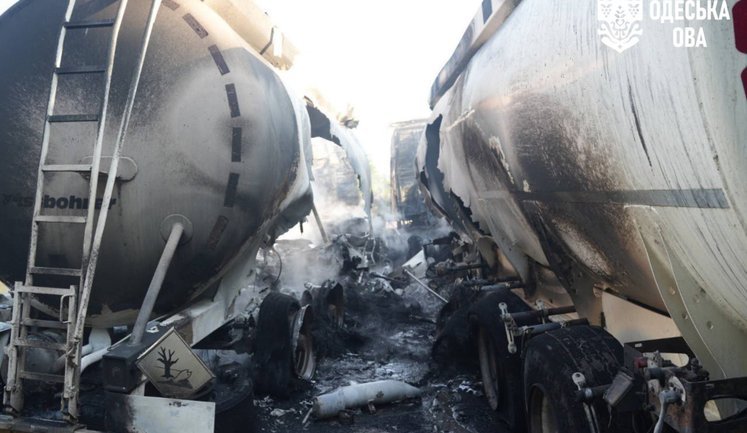
 Russians attacked business in Odesa region with jet-powered UAV: fire broke out and tanker lorries were damaged. PHOTOS Today, 19 September, Russian forces attacked the Odesa region with a rocket-powered drone. 1 564 0 Previously in trend: Drone attack on Odesa region
 Orlivka border crossing resumes operations after Russian attack The "Orlivka" ferry border crossing in the Odesa region has resumed operations following the Russian attack on the night of September 1. Border clearance operations are currently being conducted as normal. 744 0 Previously in trend: Drone attack on Odesa region Shelling of Odessa region
 Vynohradivka checkpoint on border with Moldova resumes operation after Shahed attack – SBGS The Vynohradivka international road border crossing on the Ukrainian-Moldovan border has resumed processing citizens and vehicles. Its operation was previously suspended following a Russian attack. 392 0 Previously in trend: Drone attack on Odesa region
 Russian drones attacked Odesa region: restaurant damaged, four people injured Russian troops attacked the Odesa region with strike drones. One of the drones damaged the facade and windows of a restaurant; four people were injured in the attack. 758 0 Previously in trend: Drone attack on Odesa region
 Zelenskyy on strike on Odesa region: Russians attack solely for sake of terror. VIDEO Following the Russian Federation’s strike on a locomotive in the Odesa region, Ukrainian President Volodymyr Zelenskyy has once again called for the strengthening of air defence and increased pressure on Russia. 1 626 20 Previously in trend: Drone attack on Odesa region Shelling of Ukraine
 Russian forces launched drone strike on Odesa region: one person killed, eight wounded. PHOTO On the afternoon of 5 August 2026, the enemy once again attacked the Odesa region with strike drones. 1 500 0 Previously in trend: Drone attack on Odesa region
 Russia attacked south of Odesa region: there is damage and casualties in Bilhorod-Dnistrovskyi. PHOTOS The enemy has once again attacked civilian infrastructure in the south of the Odesa region. 1 410 0 Previously in trend: Drone attack on Odesa region
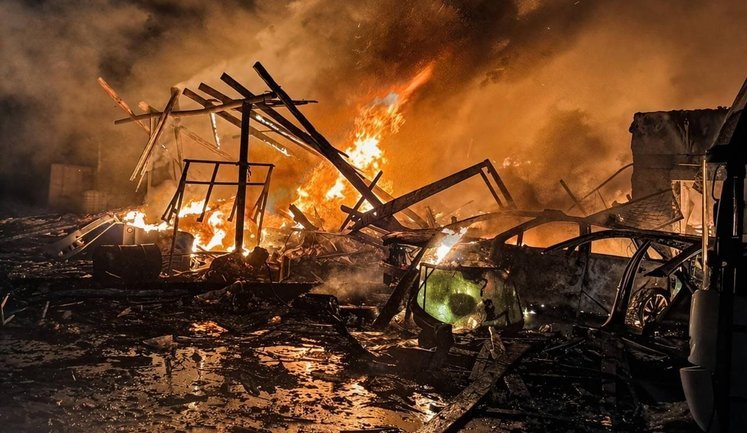
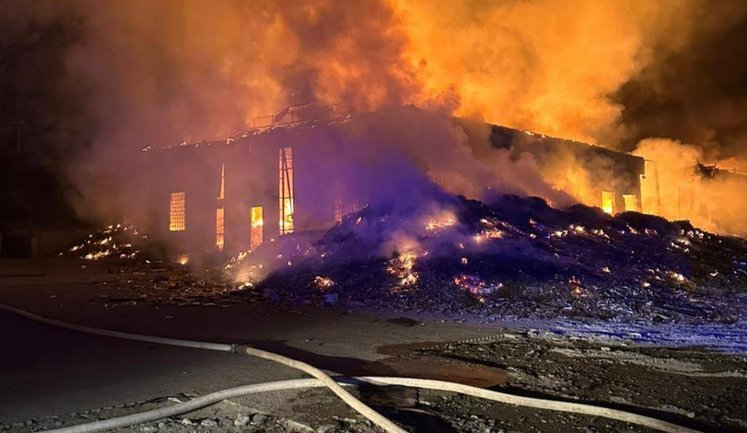
 Large-scale fire breaks out at infrastructure facility in Odesa region after Russian strike. PHOTOS Rescuers from the State Emergency Service extinguished a large-scale fire that broke out at an infrastructure facility in the Odesa region following a Russian strike. 1 725 3 Previously in trend: Drone attack on Odesa region
 Russian drones struck Zaporizhzhia and Odesa: there are casualties and damage. PHOTOS (updated) On the evening of 12 July, Russian forces attacked Zaporizhzhia with drones, leaving two people injured. 2 116 0 Previously in trend: Drone attack on Odesa region Russian attack on Zaporizhzhia Shelling of Odessa region
 Russian ’Shahed’ strikes petrol station in Odesa region: fire breaks out. PHOTO An enemy ‘Shahed’-type attack UAV struck a petrol station in the south of the Odesa region this morning. 1 530 1 Previously in trend: Drone attack on Odesa region
 Russia attacks energy infrastructure in Odesa region: 32 settlements left without power On the evening of 14 May, Russian forces attacked energy infrastructure in the Odesa region. 781 0 Previously in trend: Drone attack on Odesa region Shelling of Odessa region
 Aftermath of strike on Chornomorsk: 1,100 tonnes of oil leak from storage tanks. PHOTOS Russian attack drones struck the port infrastructure of Chornomorsk on 3 May, causing significant damage to one of the key terminals in the agricultural sector. 3 204 7 Previously in trend: Drone attack on Odesa region
 Air raid alert announced in Romania amid Russian drone attack on Odesa region An air raid alert was announced in Romania’s Tulcea county during a Russian drone attack on Ukraine’s Odesa region. 504 0 Previously in trend: Drone attack on Odesa region
 Russian forces launched massive drone attack on southern Odesa region: 2 people injured, a hospital destroyed. PHOTOS On the night of Tuesday, 28 April 2026, Russian forces launched a massive attack using strike drones on the southern part of the Odesa region. 1 080 2 Previously in trend: Drone attack on Odesa region
 Russia is trying to disrupt operation of Ukrainian maritime corridor, - Kuleba on attacks on ports. PHOTOS The enemy continues to target Ukrainian port infrastructure and logistics. 1 784 5 Previously in trend: Drone attack on Odesa region work of Black Sea corridor
 Drones attacked port of Izmail: infrastructure damaged (updated). VIDEO+PHOTOS Russia has attacked Izmail with strike drones. The port area has been hit, with infrastructure and a vessel damaged; there are no casualties. 1 731 0 Previously in trend: Drone attack on Odesa region
 Russians attacked energy facility in Odesa region with drone in evening On the evening of April 8, an energy facility in the Odesa region was damaged in a drone strike. According to preliminary information, there were no casualties. 929 0 Previously in trend: Drone attack on Odesa region
 Russian forces attacked Odesa region: energy facility was damaged, and there are power cuts. PHOTO Last night, the enemy once again launched treacherous attacks on civilian and energy infrastructure in the Odesa region. 1 015 0 Previously in trend: Drone attack on Odesa region
 Consequences of Russian attack on the Odesa region: one person killed, houses damaged. PHOTOS One person has been killed as a result of a Russian attack in the Odesa region. 1 734 1 Previously in trend: Drone attack on Odesa region
 Russia launched drone attack on Odesa region: homes and port damaged On the night of March 23, Russian invaders once again attacked the Odesa region with drones. There is damage in residential areas and at the port. 1 038 0 Previously in trend: Drone attack on Odesa region
 Enemy attacked Odesa region with drones: energy and industrial infrastructure has been damaged, and there are power cuts. PHOTO On the night of Monday 16 March 2026, Russian forces launched an attack on the Odesa region using strike drones. 1 113 1 Previously in trend: Drone attack on Odesa region Shelling of Odessa region
 Enemy massively attacked Odesa region with drones: one person was injured, houses and industrial infrastructure were damaged. PHOTOS On the night of January 21, 2026, the enemy launched another massive attack with drones on the south of the Odesa region. Residential and industrial infrastructure was damaged. 1 102 0 Previously in trend: Drone attack on Odesa region
 Russia attacked ports of Odesa and Izmail with drones, - Kuleba. PHOTOS The occupiers carried out another attack on Ukrainian port infrastructure on New Year's Eve. 2 511 4 Previously in trend: Attack of drones Drone attack on Odesa region
 After Russian attacks, port of Pivdennyi has partially resumed operations The seaport of Pivdennyi has resumed receiving and dispatching ships after restrictions imposed due to the consequences of hostile shelling and a vegetable oil spill in the water area. 781 3 Previously in trend: Drone attack on Odesa region Shelling of Odessa region
 Massive Russian attack on Odesa: fires at energy facilities and warehouses. PHOTOS In Odesa and the surrounding region, heavy shelling by Russia has caused fires at energy facilities and warehouses storing fertiliser and agricultural equipment. Air raid alerts are hampering the work of rescue workers. 2 001 4 Previously in trend: Drone attack on Odesa region Shelling of Odessa region
 In Odesa region, enemy attacked civilian car: mother was killed, three children were injured On August 18, Russian forces struck a civilian vehicle in the Odessa region. A strike drone hit the car as it was crossing a bridge. 1 112 1 Previously in trend: Drone attack on Odesa region
 Drone strike on bridge in Odesa region: Moldova restricts border traffic with Ukraine On Thursday, Dec. 18, a Russian attack drone struck a bridge in the Odesa region near the state border with Moldova, prompting the temporary closure of several border crossing points. 5 784 9 Previously in trend: Drone attack on Odesa region
 Enemy attacked Odesa region with drones: transport infrastructure facility damaged. PHOTO On the night of Wednesday, 17 December, the enemy again attacked civilian targets in the Odesa region with strike drones. 1 084 0 Previously in trend: Drone attack on Odesa region
 Enemy launched massive attack on Odesa region with "shaheds": energy facility damaged, there are power outages. PHOTOS On the night of Tuesday, 2 December, the enemy launched another massive strike on southern Odesa region using Shahed-type UAVs. 1 099 0 Previously in trend: Drone attack on Odesa region
 Russian troops attacked Odesa region with drones: energy facilities damaged. PHOTOS The enemy continues to deliberately target civilian infrastructure in the southern Odesa region. 1 366 1 Previously in trend: Drone attack on Odesa region Attacks on the energy sector
 Enemy launched massive drone attack on Odesa region: one person wounded, "Ukrzaliznytsia" depot and energy facilities damaged. PHOTOS On the night of 11 November 2025, the enemy launched a massive attack on southern Odesa region with strike drones. 1 804 2 Previously in trend: Drone attack on Odesa region
 Russian forces attacked civilian infrastructure in Odesa region: houses damaged. PHOTOS On the night of Sunday, 9 November, the enemy again attacked the peaceful population and civilian infrastructure of the Odesa region. 1 750 3 Previously in trend: Drone attack on Odesa region
 Enemy launched massive drone attack on Odesa region: port and energy infrastructure hit. PHOTOS The enemy has once again launched a massive attack on the energy and port infrastructure of the Odesa region. 2 023 6 Previously in trend: Drone attack on Odesa region Attacks on the energy sector
 Enemy attacked civilian infrastructure in Odesa region with drones: two people were killed. VIDEO+PHOTOS On the night of 2 November, Russian troops attacked the Odesa region with strike drones. There are casualties. 2 398 22 Previously in trend: Drone attack on Odesa region
 Ruscists struck DTEK facility and transport infrastructure in Odesa region: man wounded, power outage (updated). PHOTO On the night of 29 October, the enemy carried out another massive attack on the civilian infrastructure of Odesa region. 1 296 0 Previously in trend: Drone attack on Odesa region Attacks on the energy sector
 Russian attack on Odesa region: large-scale fire and damaged infrastructure, one person injured (updated). VIDEO&PHOTOS. VIDEO&PHOTOS Russia has attacked civilian facilities in Odesa region again. A fire engulfed more than 5,000 m² of warehouse space, with one casualty. Air defence forces shot down several drones. 3 785 2 Previously in trend: Drone attack on Odesa region
 Night attack on Odesa region: damaged houses and energy infrastructure. PHOTO At night, the enemy attacked the energy and civilian infrastructure of the Odesa region. Damage was recorded. 2 296 3 Previously in trend: Drone attack on Odesa region
 Russian attack on Odesa region destroys production facility and finished-goods warehouse at wine factory. PHOTOS As a result of a nighttime Russian drone strike in the Odesa region, a winery's workshop and finished goods warehouse were destroyed. 3 528 26 Previously in trend: Drone attack on Odesa region
 Russian troops attacked port infrastructure in Izmail district: fires broke out On the night of 2 September 2025, the enemy again attacked the port infrastructure of the Izmail district in the Odesa region. 1 383 1 Previously in trend: Drone attack on Odesa region
 Russia attacked Odesa region with drones: fire at energy facility. PHOTO At night, a fuel and energy infrastructure facility and a building caught fire as a result of a drone strike in the suburbs of Odesa. The fire was extinguished, there were no casualties or injuries. 2 142 4 Previously in trend: Drone attack on Odesa region
 Russians attacked Izmail district of Odesa region with "shaheds", there are damages - RSA On the night of 2 July, Russians attacked the Vylkove community of Izmail district with "shaheds". 1 201 1 Previously in trend: Drone attack on Odesa region
 Enemy attacked south of Odesa region at night: fire broke out at ambulance station. PHOTOS On the night of 22 June, Russian invaders attacked Bilhorod-Dnistrovskyi in the Odesa region with drones. The attack damaged a healthcare facility and administrative buildings. 1 283 0 Previously in trend: Drone attack on Odesa region
 Russian forces launch Shahed drones toward Odessa region Russian invaders launched strike drones toward the Odessa region. 2 098 4 Previously in trend: Drone attack on Odesa region
 Enemy attacked Odesa region with drones: civilian infrastructure damaged. PHOTOS On the night of 12 June, the enemy attacked the Vylkove community of the Izmail district of Odesa region. 1 389 3 Previously in trend: Drone attack on Odesa region
 "Shahed" attack on Odesa region: clinic, creative centre and lyceum were on fire. PHOTOS Russian invaders attacked the Bilhorod-Dnistrovskyi district of the Odesa region with attack drones. 2 277 5 Previously in trend: Drone attack on Odesa region Shelling of Odessa region
 Shahed attack: house damaged in Odesa suburb, man injured Russian occupiers attacked Odesa district with drones. 1 026 0 Previously in trend: Drone attack on Odesa region Shelling of Odessa region
Page 1 of 2
more news