ENG




9137 visitors online
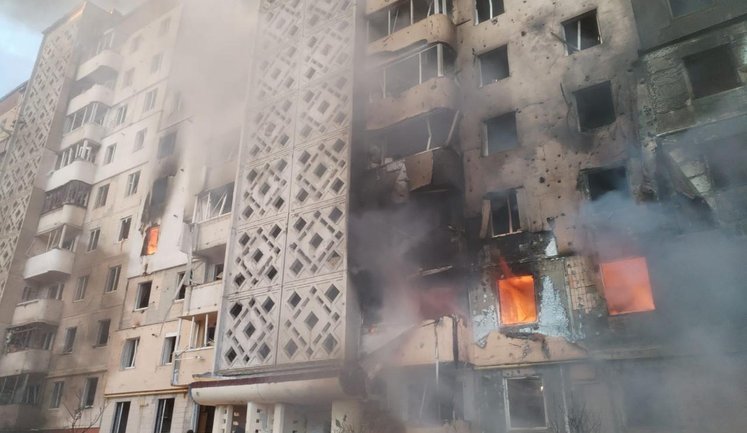
Russian aggression towards Ukraine has escalated significantly, as noted by President Volodymyr Zelenskyy. Over recent weeks, Russia has launched thousands of drones, missiles, and guided aerial bombs at Ukrainian territory, inflicting severe damage on infrastructure, energy facilities, and residential buildings. These attacks have not only targeted strategic infrastructure but have also deeply affected civilian areas, resulting in numerous casualties and injuries. International leaders and diplomats, including those from Estonia and the Netherlands, have condemned these acts and emphasized the urgent need for bolstering Ukraine's air defense capabilities. As the war persists, the call for a concerted international response to these sustained, brutal attacks grows urgent.
What methods is Russia using to attack Ukraine?
Russia employs a variety of methods in its attacks on Ukraine, including deploying thousands of strike drones, guided aerial bombs, and missiles each week. These sophisticated weapons are primarily targeting Ukraine's infrastructure, but they also heavily impact residential and civilian areas, leading to significant humanitarian concerns.
How has Ukraine’s infrastructure been affected by Russian attacks?
Russian attacks have severely compromised Ukraine's infrastructure. Regular strikes have damaged energy facilities, logistics systems, and even water supply networks. These attacks cause widespread disruptions, with cities like Kyiv experiencing loss of heating and power, significantly impacting the civilian populace and daily life.
What has been the international response to Russian attacks on Ukraine?
The international response has included widespread condemnation and calls for increased defensive support for Ukraine. Countries such as the Netherlands and Estonia have urged for strengthened air defense systems to protect against Russian attacks, while also pressing for diplomatic measures that could impose further pressure on the aggressor nation.
How have Russian drone attacks evolved over recent months?
Recent months have seen a dramatic uptick in the use of drones, with reports indicating that the number of drones deployed by Russia has quadrupled since last year. These drones, including Russian-Iranian "Shaheds," are frequently used in combination with missiles to overwhelm Ukrainian defenses and inflict maximum damage across multiple infrastructure sites.
What measures is Ukraine taking to defend against these attacks?
In response to ongoing attacks, Ukraine is focusing on enhancing its air defense capabilities. President Zelenskyy has called for international assistance in strengthening their systems, while interceptors are being ramped up to counter the influx of drones. Consistent international partnerships are key to boosting Ukraine's defensive strategies and mitigating damage from Russian assaults.
Has Russia targeted civilian areas during their assaults on Ukraine?
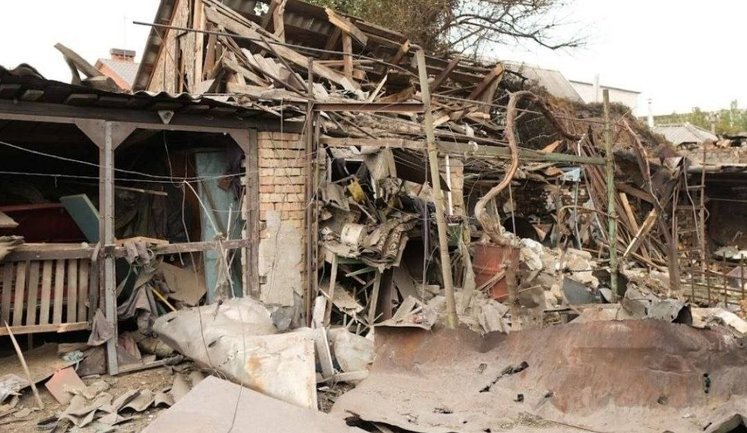
Yes, Russian forces have consistently targeted civilian areas alongside strategic military and infrastructure targets. Many missiles and drones have struck residential zones, causing casualties among civilians, including children, and extensive destruction more broadly, raising grave concerns both locally and internationally about the humanitarian impact of the conflict.
What has been President Zelenskyy's response to the shelling of Ukraine?
President Zelenskyy has remained vocal and proactive in addressing the shelling of Ukraine. He has continuously updated citizens and the international community about the scale and targets of the attacks and has pleaded with Ukraine's allies to expedite support, particularly in ramping up air defense measures to safeguard against persistent Russian aggression.
What are the key targets of Russian strikes in Ukraine?
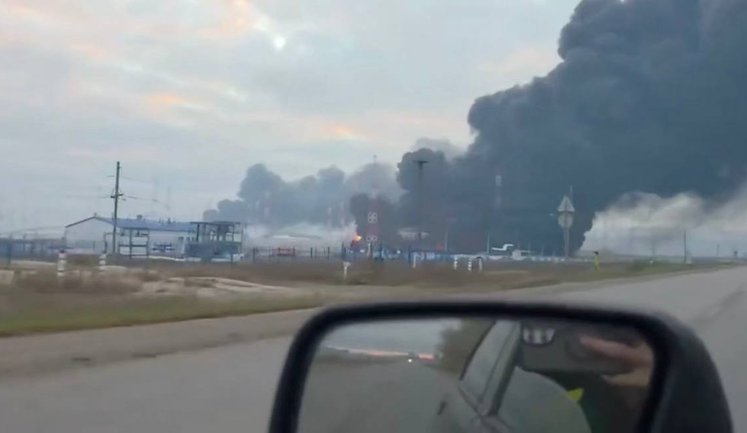
Russian strikes have concentrated on key infrastructure elements such as energy facilities, logistical hubs, and water supply systems. However, the attacks are not limited to strategic targets alone, as numerous strikes have also hit civilian residential areas, exacerbating the safety and humanitarian situation on the ground in Ukraine.
What type of missiles are being used in the attacks on Ukraine?
Russia has deployed a diverse array of missile types in its assaults on Ukraine, including guided missiles and ballistic missiles. The use of these advanced weaponry systems aims to maximize impact and disrupt critical Ukrainian infrastructure, thereby intensifying the conflict through sustained and targeted strikes.
How is the international community assisting Ukraine amid ongoing attacks?
The international community has moved to assist Ukraine primarily by providing defense support and advocating for increased sanctions against Russia. Many countries have pledged to enhance their military aid, focusing on improving Ukraine's air defense systems to protect life and infrastructure. Diplomatic efforts are also underway to increase pressure on Russia, urging a cessation to these aggressive military tactics.
w117_header_alt Shelling of Ukraine
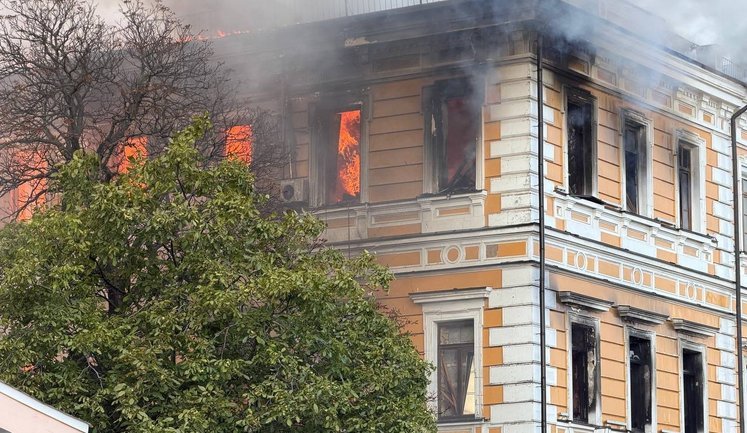
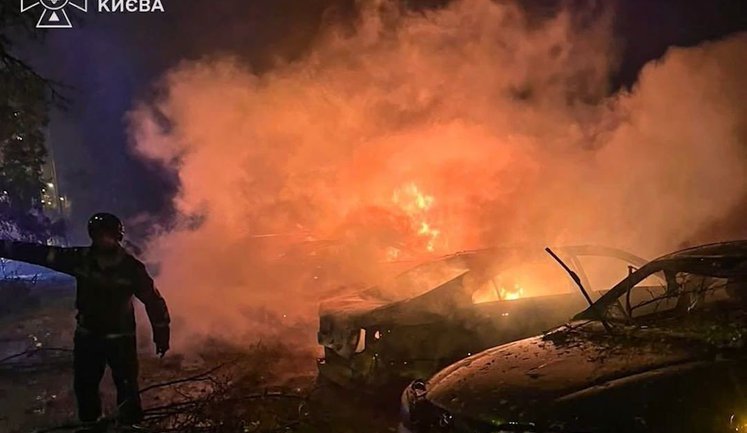
 Ministry of Internal Affairs units carried out over 800 call-outs this week to deal with aftermath of Russian shelling: 148 civilians were rescued, – Vyhivskyi. PHOTOS Since the start of this week, units of the Ministry of Internal Affairs have carried out more than 800 call-outs to deal with the aftermath of Russian shelling. 348 3 Previously in trend: Shelling of Ukraine
 Nighttime attack on October 16: explosions were heard in Lutsk, Rivne, Ivano-Frankivsk, and Cherkasy The enemy continued to attack Ukraine on the night of October 15. Explosions were heard in Lutsk, Rivne, Ivano-Frankivsk, and Cherkasy. In Kyiv, air raid alerts were sounded several times throughout the night due to the threat of Russian drones. 2 240 2 Previously in trend: Shelling of Ukraine
 Russia has seen attempts to pressure Ukraine and is escalating situation, - Zelenskyy Amid intensifying Russian attacks on Ukraine, President Volodymyr Zelenskyy called on everyone in the U.S. not to side with the aggressor. 1 490 6 Previously in trend: Shelling of Ukraine Lifting sanctions against Russia
 Allies failed to warn Ukraine about ballistic missile attack on Kyiv, - Zelenskyy President Zelenskyy stated that Russia had attacked Ukraine’s energy and critical infrastructure over the past two days, despite the energy ceasefire announced by Donald Trump. 12 008 86 Previously in trend: Shelling of Ukraine Establishment of energy truce
 Russia shelled seven regions of Ukraine: there are fatalities and injuries. VIDEO+PHOTOS Throughout the day on 11 October and during the night of 11–12 October, Russian forces attacked a number of regions in Ukraine using artillery, aerial bombs, missiles and drones. There have been fatalities and injuries amongst civilians, and damage has been caused to residential buildings,... 1 579 6 Previously in trend: Shelling of Ukraine
 Important negotiations with partners will take place today and tomorrow; we are counting on strengthened protection, — Zelenskyy President Volodymyr Zelenskyy stated that Ukraine expects its partners to take concrete steps to strengthen its defenses following a massive attack by Russia. 1 379 29 Previously in trend: Aid to Ukraine Shelling of Ukraine
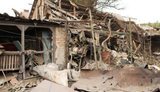 Russians attacked number of regions in Ukraine: there are fatalities and injuries; children are among dead. PHOTOS Over the past 24 hours and during the night of 8 October, Russian troops attacked settlements in the Donetsk, Sumy, Chernihiv, Kharkiv, Dnipropetrovsk, Zaporizhzhia, Mykolaiv and Kherson regions. The shelling has resulted in deaths and injuries, and has damaged residential buildings, vehicles,... 957 0 Previously in trend: Shelling of Ukraine
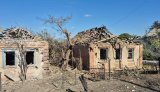 Russia has attacked five regions of Ukraine: at least 10 dead and over 100 injured. PHOTO Over the past 24 hours, Russian troops have attacked the Kharkiv, Donetsk, Sumy, Dnipropetrovsk and Chernihiv regions. At least 10 people were killed as a result of the shelling, and over 100 were wounded or injured. 981 3 Previously in trend: Shelling of Ukraine
 Russia has attacked southern Ukraine: one person has been killed and 12 wounded. PHOTO Over the past 24 hours, Russian troops have attacked the Mykolaiv, Odesa, Kherson and Zaporizhzhia regions. The shelling has resulted in one fatality and several injuries, and has caused damage to civilian buildings and infrastructure. 985 0 Previously in trend: Shelling of Ukraine
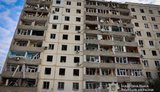 Russia has attacked number of regions in Ukraine: there have been fatalities and dozens of injuries, including children. PHOTOS Over the past 24 hours, Russian troops have attacked the Sumy, Chernihiv, Donetsk, Kharkiv, Dnipropetrovsk, Kherson and Mykolaiv regions. The shelling has resulted in fatalities and dozens of casualties, including children. 1 573 1 Previously in trend: Shelling of Ukraine
 Defence forces have struck Iskander missile launch sites in Bryansk region of Russian Federation, – Zelenskyy. VIDEO President Volodymyr Zelenskyy reported that the long-range capabilities of the Ukrainian Defence Forces had been effectively deployed against the aggressor’s military targets — targets in the Samara region of the Russian Federation and positions of ‘Iskander’ missile crews in the Bryansk region... 8 298 25 Previously in trend: Shelling of Ukraine Striking Russia
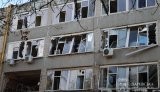 Shelling of regions in Ukraine: at least 5 people killed, further 74 injured. PHOTOS Over the past 24 hours, Russian troops have carried out strikes on a number of regions in Ukraine. The enemy used attack drones, FPV drones, artillery, aerial bombs and missiles. There have been fatalities, dozens of people have been injured, and significant damage has been caused to civilian... 1 365 4 Previously in trend: Shelling of Ukraine
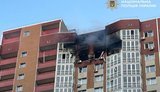 Russian drone and missile production relies on foreign components, - Zelenskyy. PHOTOS On the night of 2 October, Russian forces launched over 100 attack drones at Ukraine, nearly half of which were jet-powered. Their production remains critically dependent on foreign components. 1 152 21 Previously in trend: Shelling of Ukraine
 Putin has ordered Russian military to intensify strikes on civilian targets in Ukraine, - Zelenskyy Intelligence data intercepted by Ukraine indicates that the dictator Putin ordered the Russian military leadership to disregard the rules of war, leading to a sharp increase in attacks on civilian targets. 4 710 39 Previously in trend: Shelling of Ukraine War crimes of Russia
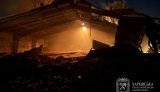 Russia has attacked number of regions in Ukraine: one person has been killed and dozens injured. PHOTOS Over the past 24 hours, Russian troops have attacked towns and villages in the Sumy, Kharkiv, Dnipropetrovsk, Donetsk, and Kherson regions. The shelling has resulted in one fatality and several injuries, as well as damage to residential buildings, vehicles, businesses and civilian infrastructure. 1 080 0 Previously in trend: Shelling of Ukraine
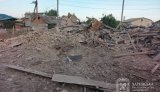 Russia attacked regions of Ukraine: four dead and many wounded. PHOTOS During the night and on the morning of 1 October, Russian forces attacked a number of regions in Ukraine using drones, guided bombs, artillery and other types of weaponry. The shelling has resulted in civilian deaths and injuries, as well as damage to residential buildings, vehicles,... 1 685 1 Previously in trend: Shelling of Ukraine
 Russia has carried out massive shelling of Ukraine: there are fatalities and dozens of injured across several regions. PHOTOS Throughout the day on 28 September, Russian troops launched large-scale attacks on a number of regions in Ukraine. The shelling has resulted in fatalities and dozens of injuries, as well as damage to residential buildings, infrastructure, transport and businesses. 4 322 13 Previously in trend: Shelling of Ukraine
 Zelenskyy on attack on National Academy of Sciences of Ukraine: Russia must be held accountable for this and face consequences. VIDEO President Volodymyr Zelenskyy commented on the Russian Federation’s attacks on Kyiv and other cities in Ukraine. 4 847 56 Previously in trend: Shelling of Ukraine
 Peskov on Russia’s strikes: Ukraine "will have to pay price" for its actions The dictator's spokesman, Dmitry Peskov, stated that Russia's strikes on Ukraine are allegedly "retaliation" for Ukraine's attacks over the past few months. 5 710 28 Previously in trend: Shelling of Ukraine
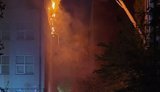 Air defence, energy and the budget: Zelenskyy outlines Ukraine’s key needs. PHOTOS Following yet another large-scale attack by Russia, President Volodymyr Zelenskyy emphasised the need for urgent measures to strengthen Ukraine’s air defences. He stated that Russian strikes during the night and on the morning of 28 September had damaged residential buildings and critical... 931 4 Previously in trend: Shelling of Ukraine
 Russia has fired over 2,200 drones, around 1,650 guided missiles and 38 rockets at Ukraine in past week, – Zelenskyy. VIDEO Russia continues to attack Ukrainian territory with strike drones, aerial bombs, and missiles, including ballistic missiles. 1 690 21 Previously in trend: Shelling of Ukraine
 "ArcelorMittal Kryvyi Rih", largest steel plant, is suspending operations ArcelorMittal has decided to suspend operations at its "ArcelorMittal Kryvyi Rih" steel plant following four missile strikes over the past five weeks. 4 780 39 Previously in trend: Shelling of Ukraine
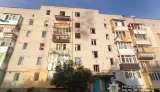 Russia attacked seven regions of Ukraine: there are fatalities and injuries, and civilian infrastructure has been damaged. PHOTOS Over the past 24 hours, Russian troops have carried out strikes on civilian infrastructure and residential areas in several regions of Ukraine. The Kherson, Kharkiv, Donetsk, Sumy and Chernihiv regions, as well as other frontline areas, came under fire. There have been fatalities and injuries... 1 352 0 Previously in trend: Shelling of Ukraine
Zelenskyy at UN General Assembly: Russia has used over 2,100 missiles and 63,000 drones against Ukraine this year. Would your country have withstood it? Since the beginning of this year, Russia has used more than 2,100 missiles of various types and 63,000 attack drones of various types against Ukraine. 2 201 19 Previously in trend: Shelling of Ukraine
 Russian nighttime attack: more than 500 rescue workers and police officers are on scene at sites of strikes; four people have been killed More than 500 rescue workers and police officers are on the scene of last night’s Russian attack. As of this morning, all fires caused by the shelling have been extinguished. 1 213 1 Previously in trend: Shelling of Ukraine
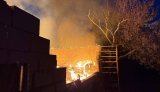 Russia has launched massive attack on regions of Ukraine: there are fatalities and injuries. PHOTOS On 20 September and in the morning of 21 September, Russian forces attacked a number of regions in Ukraine using drones, missiles, aerial bombs, artillery, mortars and multiple launch rocket systems. The strikes have resulted in fatalities, dozens of injuries and significant damage to civilian... 2 890 2 Previously in trend: Shelling of Ukraine
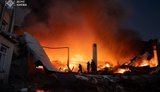 Russia has launched over 2,000 drones, 1,700 guided bombs and 19 missiles at Ukraine in past week, - Zelenskyy. VIDEO Russia continues to attack Ukrainian territory using aerial bombs, missiles and drones, the majority of which are jet-powered. 1 244 6 Previously in trend: Shelling of Ukraine
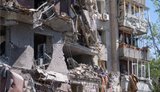 Russia attacked seven regions of Ukraine: 14 people killed, 52 wounded. PHOTOS Over the past 24 hours, Russian troops have attacked the Sumy, Mykolaiv, Dnipropetrovsk, Kherson, Zaporizhzhia, Donetsk and Kharkiv regions. The shelling has resulted in deaths and injuries, with children among the victims. 1 727 4 Previously in trend: Shelling of Ukraine
 Russia is launching large numbers of RM48U training missiles at Ukraine, - Reuters In July and early August, Russian forces made extensive use of RM48U missiles against Ukraine; these missiles were originally intended for training air defense units. 4 525 9 Previously in trend: Shelling of Ukraine
 Russians attacked seven regions of Ukraine: there have been fatalities and dozens of people have been injured. PHOTOS Russian troops have attacked the Donetsk, Kharkiv, Odesa, Sumy, Kherson, Dnipropetrovsk, and Zaporizhzhia regions. There have been fatalities, and dozens of people have been injured. 1 659 3 Previously in trend: Shelling of Ukraine
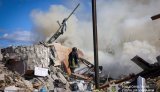 Russia attacked nine regions of Ukraine: there are fatalities and injuries, including children among casualties. PHOTOS Over the past 24 hours, Russian troops have carried out strikes on regions of Ukraine using attack drones, aerial bombs, missiles, artillery, and multiple launch rocket systems. The attacks have resulted in deaths and injuries, with children among the casualties. Residential buildings,... 1 634 1 Previously in trend: Shelling of Ukraine
 Russia has carried out massive shelling of regions across Ukraine: there are fatalities and dozens of injured. VIDEO+PHOTOS Over the past 24 hours, Russian troops have attacked the Donetsk, Kharkiv, Zaporizhzhia, Kherson, Dnipropetrovsk and Sumy regions. The shelling has resulted in fatalities and dozens of injuries, with children among the casualties. 2 310 3 Previously in trend: Shelling of Ukraine
 Kremlin has stated that Russia intends to continue its attacks on Ukraine Dmitry Peskov, the spokesperson for the Russian dictator, stated that the Russian armed forces are operating across the whole of Ukraine and intend to continue their shelling. 3 899 18 Previously in trend: Shelling of Ukraine
 Russia fired around 2,100 drones, nearly 1,700 guided bombs and 78 missiles at Ukraine in space of week, – Zelenskyy. VIDEO Russian occupiers continue to attack Ukraine with drones, including jet-powered drones, KABs and missiles. 1 710 31 Previously in trend: Shelling of Ukraine
 Russia has attacked number of regions in Ukraine: there are fatalities, injuries and widespread destruction. PHOTO Over the past 24 hours, Russian troops have attacked towns and villages in the Chernihiv, Sumy, Kharkiv, Donetsk, Kherson and Mykolaiv regions. The shelling has resulted in deaths and injuries, as well as damage to residential buildings, businesses, infrastructure and transport. 3 175 10 Previously in trend: Shelling of Ukraine
 Zelenskyy on Russia’s strikes on Ukraine: International community, unfortunately, is not responding enough President Volodymyr Zelenskyy stated that Moscow must not go into the winter thinking it will get away with its missile and drone attacks just like that. 2 554 35 Previously in trend: Shelling of Ukraine
 Russia’s night-time attack: aftermath is being dealt with in eight regions and Kyiv, - Koretskyi. PHOTO In eight regions of Ukraine and in Kyiv, efforts are continuing to deal with the aftermath of Russia’s massive night-time attack. 1 966 2 Previously in trend: Shelling of Ukraine Shelling of Kyiv
 Russia prepares new strike tactics against Ukraine: Ivashchenko warns of threat to energy sector Russia may intensify strikes on Ukraine’s energy facilities in autumn and winter, simultaneously using ballistic and cruise missiles, jet-powered Shaheds and new loitering munitions. 2 793 22 Previously in trend: Shelling of Ukraine
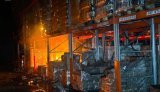 Enemy struck civilian facilities throughout night: damage and destruction reported in 9 regions – Koretskyi Throughout the night, the Russian invaders struck residential buildings, businesses, and energy, warehouse, and transport infrastructure in the Kherson, Sumy, Dnipropetrovsk, Donetsk, Odesa, Kharkiv, Poltava, Kyiv, and Mykolaiv regions. 1 169 5 Previously in trend: Shelling of Ukraine
 Russia’s strikes on airports are reaction to preparations for visit by US representatives – Zelenskyy. PHOTOS Overnight, Russia carried out strikes on civilian targets in various regions of Ukraine. Five people were killed in Kam’yanske, and shopping centres and airports were also attacked. 5 880 39 Previously in trend: Shelling of Ukraine
 Sybiha on Russian strike on "Zhuliany" in Kyiv: It is slap in face to peace efforts and attempt to derail them Foreign Minister Andrii Sybiha said that Russia was trying to derail the peace process and put pressure on Ukraine through its strikes. 3 158 12 Previously in trend: Peace negotiations Shelling of Ukraine
 Russia has attacked 13 regions of Ukraine: homes and energy infrastructure have been damaged. PHOTOS Across Ukraine, efforts are continuing to deal with the aftermath of the virtually uninterrupted Russian attack. Thirteen regions have come under attack. 915 3 Previously in trend: Shelling of Ukraine
 Russians have found new escalation and do not plan to slow it down, - Zelenskyy President Volodymyr Zelenskyy stated that, due to the threat posed by Russian jet drones, the alarm has hardly subsided in many cities and communities. 2 747 40 Previously in trend: Shelling of Ukraine
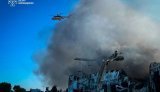 Russia has destroyed about 90% of retail chains’ warehouses, but there will be no food shortages, - Vysotskyi Russia has destroyed about 90% of retail chains’ logistics centers, but no shortages of basic foodstuffs are expected in Ukraine 4 037 32 Previously in trend: Shelling of Ukraine
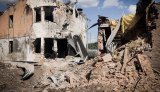 Russia fired over 1,550 drones, nearly 1,560 KABs and 62 rockets at Ukraine over course of week, – Zelenskyy. VIDEO Throughout the week, 13 regions of Ukraine came under attack from enemy drones, KABs and missiles, the majority of which were ballistic. 1 046 23 Previously in trend: Shelling of Ukraine
 Zelenskyy on strike on Odesa region: Russians attack solely for sake of terror. VIDEO Following the Russian Federation’s strike on a locomotive in the Odesa region, Ukrainian President Volodymyr Zelenskyy has once again called for the strengthening of air defence and increased pressure on Russia. 1 626 20 Previously in trend: Drone attack on Odesa region Shelling of Ukraine
 Rescue worker was killed in second strike in Zaporizhzhia, and bus carrying children was damaged in Odesa region, - Vyhivskyi. PHOTOS The Russians are continuing to attack Ukraine with missiles and drones. A bus carrying children and rescue workers who were helping the injured was hit. 1 872 2 Previously in trend: Shelling of Ukraine
 Russia fired over 1,560 drones, 1,540 guided missiles and 61 rockets at Ukraine in the past week, - Zelenskyy. VIDEO Russia continues to attack Ukrainian towns and villages using drones, aerial bombs and missiles, including ballistic missiles. 1 560 50 Previously in trend: Shelling of Ukraine
Page 1 of 3
more news