



Russia prepares new strike tactics against Ukraine: Ivashchenko warns of threat to energy sector
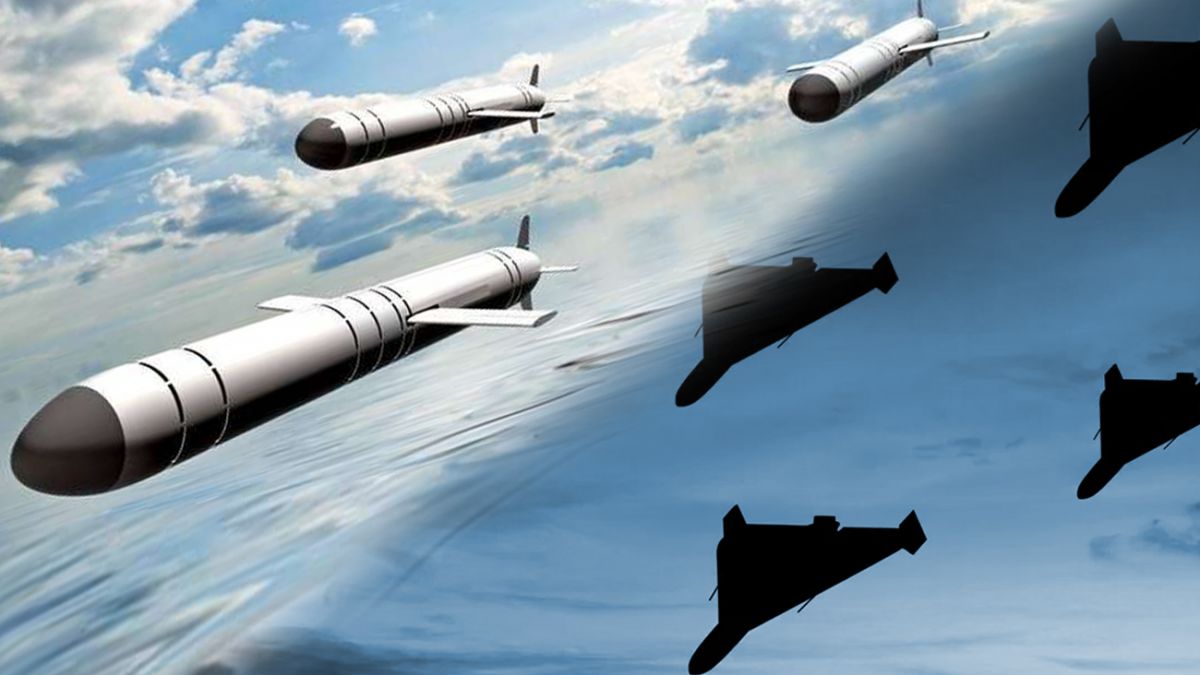
Russia may intensify strikes on Ukraine’s energy facilities in autumn and winter, simultaneously using ballistic and cruise missiles, jet-powered Shaheds and new loitering munitions.
Oleh Ivashchenko, chief of the Defence Intelligence of Ukraine (DIU), said this in an interview with Ukrinform, Censor.NET reports.
According to him, the Russians are trying to reduce Ukraine’s military potential, including by striking ammunition storage sites and searching for Ukrainian defence production facilities.
"We understand which targets the enemy plans to strike, what weapons it intends to use, and roughly when this may happen. Today, the Russians’ main objective is to reduce our military potential and strike capabilities. In particular, they are striking ammunition storage sites and trying to locate and hit production facilities.
The enemy is developing new loitering munitions. They can reach speeds of up to 700 kilometres per hour.
The closer we get to the cold season, the higher a priority energy facilities and our thermal power plants will become as targets – everything that sustains life in cities and villages," the DIU chief said.
Ivashchenko also reported a significant increase in the use of jet-powered Shaheds. According to him, their numbers during individual attacks can reach 120, 300 or even 500 per day.
Russia uses new loitering munitions
According to Ivashchenko, Russia is developing new loitering munitions that fall between jet-powered drones and cruise missiles.
They can reach speeds of 500–600 km/h, and sometimes up to 700 km/h. These munitions can be launched from airborne or ground-based platforms and use artificial intelligence and machine vision.
In particular, the Banderol and Dan-T carry warheads weighing more than 130 kg – several times heavier than those of Geran/Shahed UAVs.
"In other words, the enemy is making these weapons more autonomous and less dependent on external control. This makes them harder to counter," Ivashchenko explained.
Russia creates a combined threat to air defences
Ballistic missiles, including Iskanders and Zircons, remain a separate challenge. Intercepting them requires appropriate missile defence capabilities and sufficient interceptor missiles.
Russia is trying to use ballistic missiles, cruise missiles, jet-powered Shaheds, other attack UAVs and loitering munitions simultaneously, forcing Ukrainian air defences to perform different tasks at the same time.
"The enemy is adapting. And our task is to adapt faster," the DIU chief stressed.
According to him, ensuring sufficient supplies of PAC-3 missiles for Patriot systems, which are needed to counter ballistic targets, remains a separate challenge.
"We are in direct contact with the Air Force: we pass on information, they prepare, wait, and shoot down incoming aerial threats. Ideally, that is how it works.
There is also the issue of having enough PAC-3 missiles for Patriot systems to counter ballistic missiles. This is a major problem that President Volodymyr Zelenskyy, the Office of the President, diplomats and intelligence officials are personally working on. This is a joint and very important effort in which everyone does their part," Ivashchenko said.


