ENG




10194 visitors online
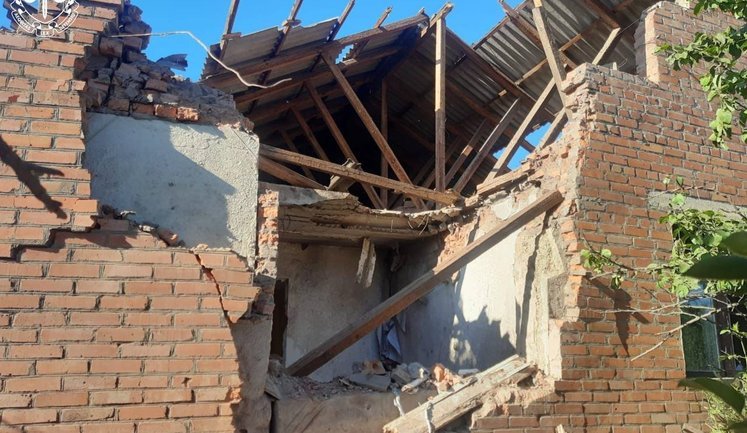
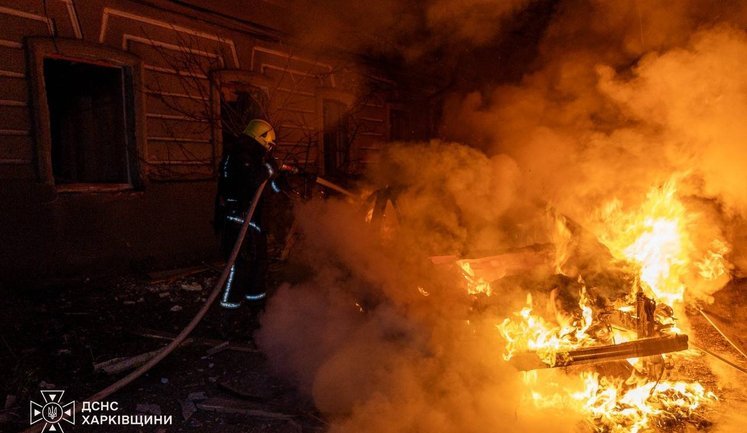
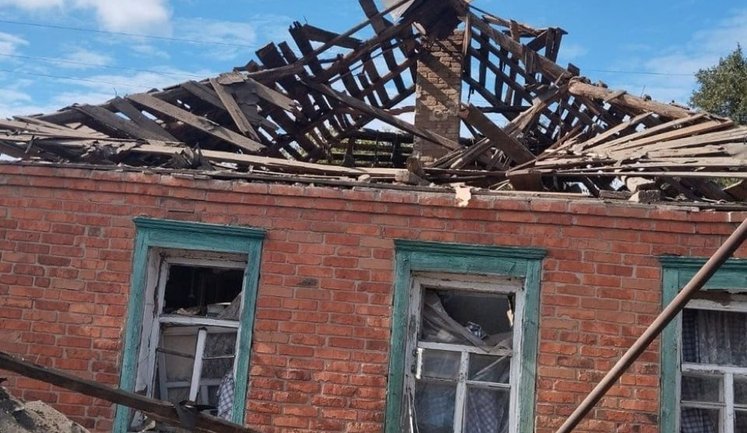
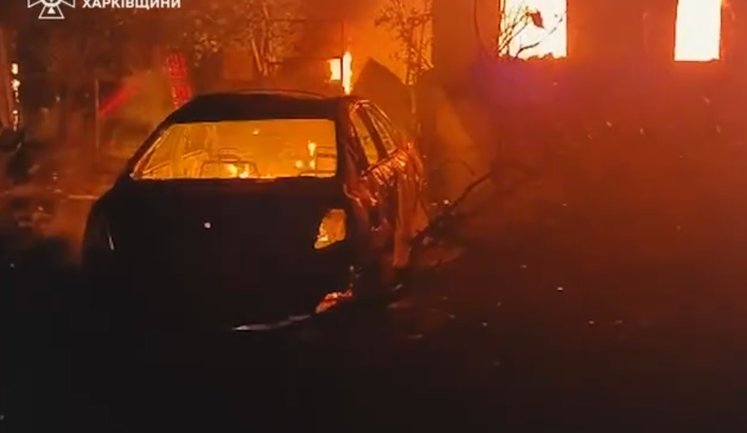
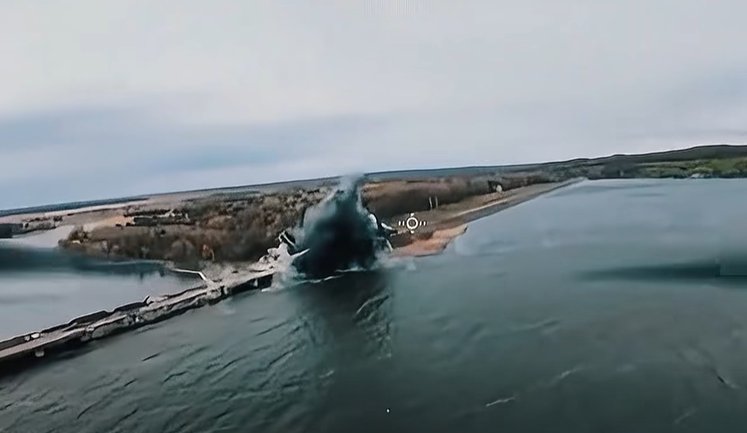
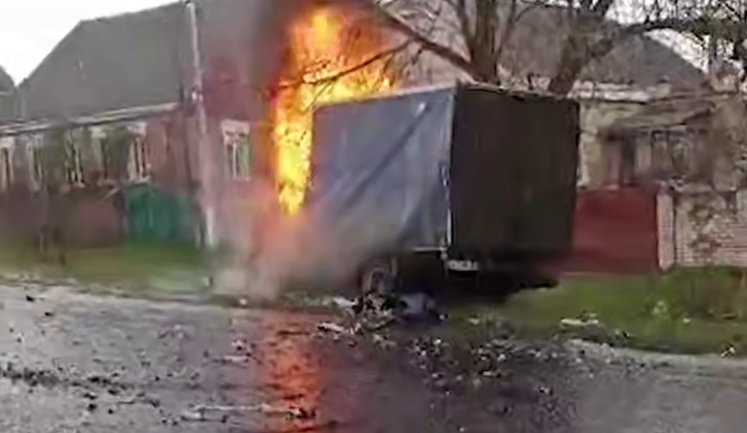
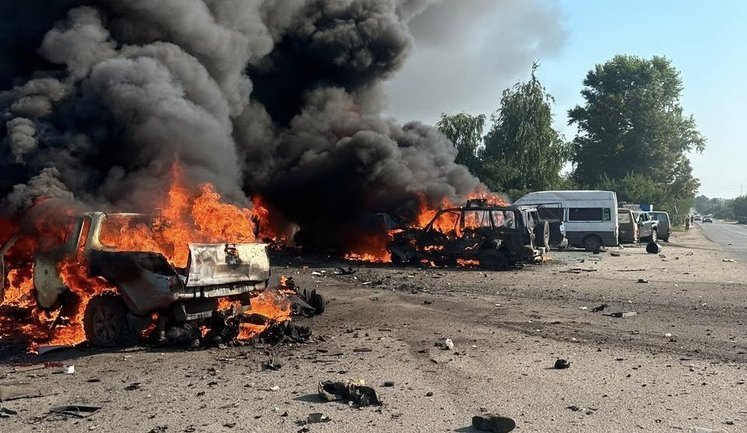
The Kharkiv region has become a focal point of ongoing military escalations. Recent days have witnessed increased shelling by Russian forces, targeting multiple areas such as Bohodukhiv and Velykyi Burluk. On April 21, an attack on Bohodukhiv resulted in injuries to three women. Meanwhile, a drone strike on Velykyi Burluk led to three casualties. The strategic city of Kharkiv has suffered repeated strikes, causing both immediate casualties and significant infrastructure damage. The local population is caught in the conflict, experiencing disruptions in daily life due to the barrage of attacks. While the Ukrainian Armed Forces continue to respond, the humanitarian situation remains dire, with damage to essential services. This ongoing conflict highlights the urgent need for de-escalation and peace efforts to alleviate civilian suffering. Stay informed about developments in the Kharkiv region, where the impact on civilian life is profound.
What has been the impact of shelling in the Kharkiv region?
The shelling in the Kharkiv region has resulted in significant casualties, with reports of numerous injuries and fatalities. Attacks have targeted both civilians and infrastructure, leading to widespread damage and disruption of services. The humanitarian impact is severe, with thousands displaced and essential amenities, such as electricity and healthcare, being affected.
How frequently are drone attacks occurring in Kharkiv?
Drone attacks in Kharkiv have become increasingly frequent, with several incidents reported over the past few weeks. These attacks often take place both at night and during the day, targeting civilian and administrative areas indiscriminately, exacerbating the region's instability.
Which districts in the Kharkiv region are most affected by Russian strikes?
The most affected districts in the Kharkiv region include Bohodukhiv, Velykyi Burluk, Zolochiv, and Merefa. These areas have seen multiple strikes, resulting in loss of life, injuries, and extensive damage to infrastructure, which has severely affected the local populace.
Are there specific types of attacks being used by Russian forces?
Russian forces have utilized a variety of attack methods in the Kharkiv region, including drone strikes, missile attacks, and guided aerial bombs (KABs). Each type of attack has resulted in significant casualties and property damage, compounding the crisis in the region.
What are the Ukrainian authorities doing in response to these attacks?
Ukrainian authorities are actively engaged in defense operations, aiming to mitigate the impact of the attacks. Efforts include strengthening local defenses, conducting counter-attacks when feasible, and providing emergency services support to affected civilians to ensure their safety and meet urgent needs.
How is the international community responding to the situation in Kharkiv?
The international community has condemned the shelling of the Kharkiv region and continuously calls for de-escalation and peaceful negotiations. Various humanitarian organizations are working to deliver aid, while diplomatic efforts are being undertaken to resolve the conflict and support Ukraine's sovereignty.
w117_header_alt Shelling of Kharkiv region
 Russians struck village with missile and car with FPV drone in Kharkiv region: one person has been killed and others injured Today, 26 September, Russian forces launched a missile strike on the Chuhuiv district and an FPV drone strike on the Kharkiv district in the Kharkiv region, resulting in one fatality. 1 316 0 Previously in trend: Shelling of Kharkiv region
 Enemy struck Kharkiv overnight: four people were injured and fires broke out. PHOTOS On the night of 26 September, Russian forces carried out drone strikes on Kharkiv and its suburbs. Four people were injured as a result of the attack, and three fires broke out. 1 409 2 Previously in trend: Shelling of Kharkiv region
 Enemy attacked Zolochiv in Kharkiv region three times: there are casualties and damage. PHOTOS Today, 25 September, Russian troops attacked Zolochiv in the Kharkiv region on three occasions. 717 0 Previously in trend: Shelling of Kharkiv region
 Russia struck farm in Stara Hnylytsia, Kharkiv region: 6 killed and 12 wounded On the morning of September 24, Russian troops struck an agricultural enterprise in the village of Stara Hnylytsia in the Chuhuiv district of the Kharkiv region. Six people were killed in the attack, and 12 other farm workers were injured. 3 615 8 Previously in trend: Shelling of Kharkiv region
 Occupiers struck charity organisation’s vehicle with drone whilst it was distributing humanitarian aid in harkiv region. PHOTO Today, 23 September, Russian troops carried out a drone strike on Zolochiv in the Kharkiv region whilst humanitarian aid was being distributed. 854 0 Previously in trend: Shelling of Kharkiv region
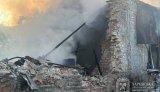 Russian forces attacked Lozova community in Kharkiv region: there are fatalities and injuries. PHOTOS Russian troops struck a private house in the village of Katerynivka in the Kharkiv region with a drone this morning. 1 984 0 Previously in trend: Shelling of Kharkiv region
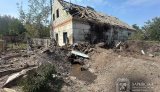 Russians struck Balakliia with missile: teenager was injured and houses were damaged. PHOTO On 19 September, Russian troops launched a missile strike on Balakliya in the Kharkiv region. A 14-year-old boy was injured in the attack and suffered an acute stress reaction. 1 096 0 Previously in trend: Shelling of Kharkiv region
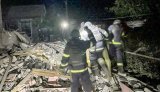 Russians attacked Balakliia: four civilians killed. Day of mourning has been declared in town. PHOTO Four civilians were killed as a result of Russian shelling of Balakliia in the Kharkiv region on 18 September. A fire also broke out in the town, and private homes were damaged. 1 794 7 Previously in trend: Shelling of Kharkiv region Shelling of Balakiya
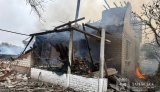 Russians attacked Balakliia: two people killed and two injured Today, September 18, Russian forces struck a neighbourhood in Balakliia, Kharkiv region, killing two people. 1 170 2 Previously in trend: Shelling of Kharkiv region Shelling of Balakiya
 Russia attacked civilian with FPV drone in Chuhuiv district; man was killed On the morning of September 17, near a public transportation stop on the outskirts of the village of Kotivka in the Chuhuiv District, a Russian FPV drone struck a civilian man. 864 0 Previously in trend: Shelling of Kharkiv region
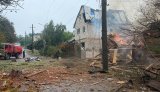 Occupiers launched massive KAB strike on Izium: nine people were injured (updated) Russian troops launched a massive strike with guided bombs on Izium in the Kharkiv region. According to preliminary reports, an apartment building was damaged and two people were injured. 1 055 2 Previously in trend: Shelling of Kharkiv region
 Russia strikes Izium with missile, three children injured The Russian army launched a missile strike on the city of Izium in the Kharkiv region on the evening of September 14. Four people were injured in the attack, including three children. 989 0 Previously in trend: Shelling of Kharkiv region
 Infant and three people were injured as result of Russian strikes on Kharkiv region. PHOTOS Over the past 24 hours, four people, including a baby, were injured as a result of Russian strikes on the Kharkiv region. 1 062 0 Previously in trend: Shelling of Kharkiv region
 Russian strikes on Donetsk and Kharkiv regions: 2 dead, 31 injured. PHOTOS In the Donetsk region, Russian forces shelled settlements 36 times on 10 September, killing one person and injuring 29. In the Kharkiv region, one man was killed and two others were injured. 740 1 Previously in trend: Shelling of the Donetsk region Shelling of Kharkiv region
 Russian forces struck train in Kharkiv region with drone: there are casualties. PHOTO Russian occupiers struck the front of a train in the Kharkiv region with a rocket-powered drone. 2 733 1 Previously in trend: Shelling of Kharkiv region Shelling of Ukrzaliznytsia facilities
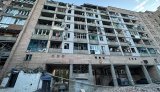 Russia attacked Kharkiv, Dnipropetrovsk and Donetsk regions: 12 wounded. PHOTOS Five people were injured in the Kharkiv region and seven in the Donetsk region as a result of attacks by the Russian Federation. The Russians also struck the Dnipropetrovsk region, damaging civilian infrastructure. 1 115 1 Previously in trend: Shelling of the Donetsk region Shelling of Kharkiv region Shelling of the Dnipropetrovsk region
 Russians killed four people and wounded 10 over past 24 hours in Donetsk and Kharkiv regions. PHOTOS Over the past 24 hours, Russian occupying forces have attacked settlements in the Donetsk and Kharkiv regions, resulting in deaths, injuries and destruction. 825 2 Previously in trend: Shelling of the Donetsk region Shelling of Kharkiv region
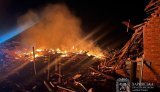 Three people, including child, killed in Russian strike on Chuhuiv. PHOTOS (updated) Today, 5 September, Russian forces struck the city of Chuhuiv in the Kharkiv region, killing two people. 2 364 4 Previously in trend: Shelling of Kharkiv region
 Ruscists strike car carrying children in Kharkiv region with drone: family managed to get out of vehicle Russian occupation forces attacked a civilian car carrying children in Zolochiv, Kharkiv region. 843 2 Previously in trend: Shelling of Kharkiv region
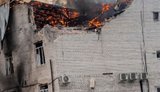 Enemy struck business centre in Lozova: Ten people known wounded, some in serious condition. PHOTO Today, 26 August, Russian forces struck a business centre in a densely built-up residential area of Lozova, Kharkiv region, leaving people injured. 2 062 0 Previously in trend: Shelling of Kharkiv region
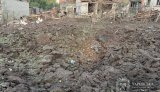 Enemy struck Izium: one man was killed and nine were wounded, including child. PHOTOS This morning, the occupying forces shelled Izium in the Kharkiv region. 738 0 Previously in trend: Shelling of Kharkiv region
 Russians struck outskirts of Kharkiv: three dead, several injured On the evening of Sunday, 23 August, Russian invaders struck the outskirts of Kharkiv. According to preliminary reports, three people were killed. There are also casualties. 2 863 2 Previously in trend: Shelling of Kharkiv region Drone attack on Kharkiv
 Enemy attacked train in Kharkiv region with drone: two people were killed and five others were injured (updated) On Sunday, 23 August, a Russian UAV struck the Lozova–Kharkiv train in the Kharkiv region. Two people were killed, and a further five were injured as a result of the attack by the enemy drone. 3 135 19 Previously in trend: Shelling of Kharkiv region Shelling of Ukrzaliznytsia facilities
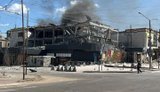 Four people were killed and 36 injured in Kharkiv and Donetsk regions as result of Russian attacks. PHOTOS Russian forces attacked the Kharkiv and Donetsk regions with drones, aerial bombs and artillery. Two people were killed and nine injured in the Kharkiv region, whilst in the Donetsk region there were two fatalities and 27 injured. 497 1 Previously in trend: Shelling of the Donetsk region Shelling of Kharkiv region
 Russia attacked Kharkiv region with drones: two women were killed and two others were injured. PHOTO Russian drones attacked the village of Lebiazhe in the Chuhuiv district during the night. A 73-year-old and a 66-year-old woman were killed. 1 413 1 Previously in trend: Shelling of Kharkiv region
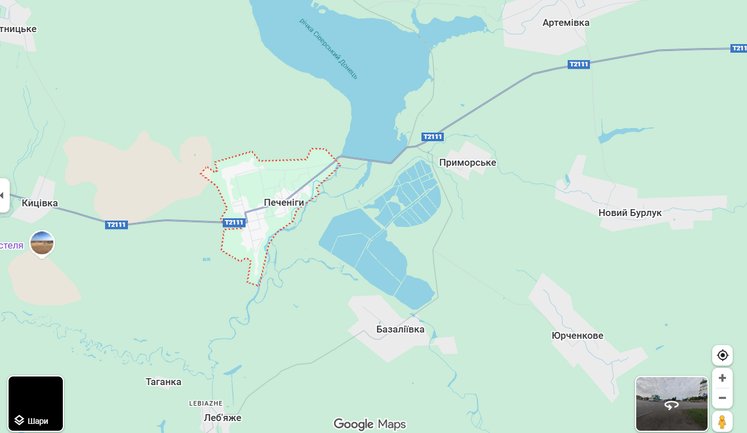
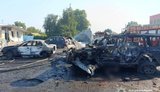 Rescue operations have been completed following Russian Federation’s missile attack on Pechenihy. PHOTOS Emergency and rescue operations have been completed at the site of the Russian missile strike in Pechenihy, in the Kharkiv region. 2 984 2 Previously in trend: Shelling of Kharkiv region
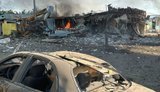 Zelenskyy on shelling of Pechenihy: Enemy struck busy crossroads, we will certainly respond. PHOTOS This morning, the Russians launched a brutal attack on a busy crossroads in Pechenihy, in the Kharkiv region – a location home to a post office and shops, surrounded solely by residential buildings. 5 549 23 Previously in trend: Shelling of Kharkiv region
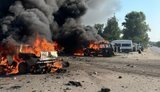 Russian forces launched missile strike on Pechenihy: 10 dead, 17 injured (updated) The occupying forces launched a missile strike on Pechenihy in the Kharkiv region. 12 727 45 Previously in trend: Shelling of Kharkiv region
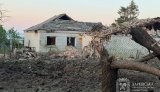 Russian forces struck Izium: 5 people wounded, including child. PHOTO Five people, including a 9-year-old boy, were injured as a result of an enemy attack on the city of Izium in the Kharkiv region. 707 0 Previously in trend: Shelling of Kharkiv region
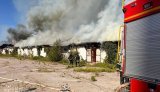 Russian drone attacks agricultural enterprise in Kharkiv region: 800-square-metre fire breaks out – SES. PHOTO On the morning of 17 August, Russian forces attacked an agricultural enterprise in Kolomak, Kharkiv region, with a drone. The strike caused a warehouse building to catch fire. 734 0 Previously in trend: Shelling of Kharkiv region
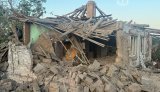 Consequences of Russian Federation’s strike on Izium: number of injured has risen to 5, with 15 houses damaged. PHOTOS Five people were injured as a result of Russian attacks on Izium. 828 1 Previously in trend: Shelling of Kharkiv region
 Russia struck Sumy and Kharkiv regions with drones, KAB bombs and artillery: there are fatalities and injuries. PHOTOS Russia has attacked border areas in the Sumy and Kharkiv regions. Buildings, cars, and civilian infrastructure have been damaged; there have been fatalities, injuries, and fires. 971 8 Previously in trend: Shelling of Kharkiv region Shelling of Sumy region
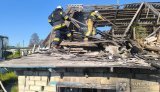 Russia has carried out strikes on Kharkiv and Poltava regions: people injured, homes and businesses damaged. PHOTO The Russians have carried out strikes on the Kharkiv and Poltava regions. The attacks have resulted in casualties and extensive damage to civilian infrastructure. 1 450 1 Previously in trend: Shelling of Kharkiv region Attack of drones on Poltava region
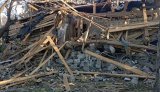 Enemy launched artillery strike on residential area in Chuhuiv district: 5 killed. PHOTO On 10 August, Russian forces carried out a heavy artillery barrage on the residential area of the village of Buhaivka in the Chuhuiv district of the Kharkiv region. 2 692 9 Previously in trend: Shelling of Kharkiv region
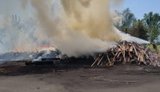 Occupiers strike Izium: Two people killed, four more injured. PHOTOS (updated) Today, August 7, Russian troops launched an attack on Izium in the Kharkiv region, resulting in deaths and injuries. 1 318 4 Previously in trend: Shelling of Kharkiv region
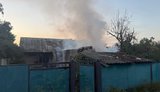 Russians launched strikes on Balakliia: three civilians were killed. PHOTOS On 6 August, Russian troops carried out two strikes on one of the neighbourhoods in Balakliia, Kharkiv Oblast. Three civilians were killed as a result of the attack. 2 144 2 Previously in trend: Shelling of Kharkiv region
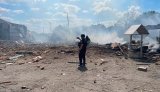 Massive Russian strikes on Donetsk and Kharkiv regions: four dead, 17 wounded Over the past 24 hours, Russian troops continued their heavy shelling of the Donetsk and Kharkiv regions. The attacks have resulted in civilian casualties, destroyed residential buildings, and damaged civilian infrastructure. 522 0 Previously in trend: Shelling of the Donetsk region Shelling of Kharkiv region
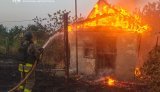 Russia attacked Dnipropetrovsk and Kharkiv regions: one person has been killed, and homes and businesses have been damaged. PHOTOS Over the past 24 hours, Russian troops have carried out strikes on the Dnipropetrovsk and Kharkiv regions. As a result of the attacks, one person was killed and another was injured; residential buildings, businesses, transport and civilian infrastructure were damaged. 1 029 2 Previously in trend: Shelling of Kharkiv region Shelling of the Dnipropetrovsk region
 Russia hit Nova Poshta terminal near Kharkiv: one person died On the afternoon of August 2, Russian troops struck a "Nova Poshta" terminal in a suburb of Kharkiv. Trucks, containers, and equipment caught fire; the fire has been contained, and one fatality has been confirmed. 2 023 3 Previously in trend: Shelling of Kharkiv region
 Russian attacks on northern and eastern Ukraine: three dead and 30 injured; enemy targets included petrol stations and energy facilities. PHOTOS Over the past 24 hours, Russian troops have continued to attack towns and villages in the north and east of Ukraine, resulting in casualties. 1 016 6 Previously in trend: Shelling of the Donetsk region Shelling of Kharkiv region Shelling of Sumy region Shelling of Chernihiv region Shelling of the Dnipropetrovsk region
 Russia has attacked Poltava and Kharkiv regions: critical infrastructure has been hit and people have been injured. PHOTO On the morning of 1 August, Russian forces attacked the Poltava region with drones, striking a critical infrastructure facility and a logistics terminal. Meanwhile, over the past 24 hours, Kharkiv and a further 17 settlements in the region came under heavy shelling. Six people are reported to... 1 152 0 Previously in trend: Shelling of Kharkiv region Russian attack on Poltava region
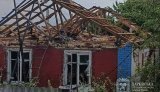 Consequences of Russian strikes on Dnipropetrovsk and Kharkiv regions: casualties and destruction. PHOTOS Over the past 24 hours, Russian forces have carried out dozens of strikes on the Dnipropetrovsk and Kharkiv regions. The attacks left one person dead, 15 others injured, and caused damage to civilian infrastructure. 939 3 Previously in trend: Shelling of Kharkiv region Shelling of the Dnipropetrovsk region
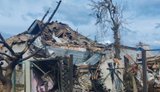 Massive Russian strikes on four border regions: fatalities, injured children and destroyed homes. PHOTOS Russian troops have launched attacks on four regions of Ukraine. The shelling has resulted in deaths and injuries, and has destroyed residential buildings, educational establishments and civilian infrastructure. 920 2 Previously in trend: Shelling of the Donetsk region Shelling of Kharkiv region Shelling of Sumy region Shelling of Chernihiv region
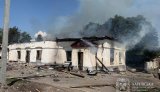 Occupiers attacked Balakliia with missiles: there are casualties On the morning of July 25, 2026, the occupying forces launched a missile strike on Balakliia in the Kharkiv region. 1 134 0 Previously in trend: Shelling of Kharkiv region
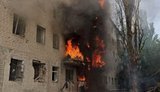 Russia attacked Kharkiv and Donetsk regions: Sloviansk suffered heaviest strike. PHOTOS The occupying forces attacked the Kharkiv and Donetsk regions with aerial bombs, drones and artillery. One person was killed, more than 30 were injured, and homes and civilian infrastructure were damaged. 1 932 2 Previously in trend: Shelling of the Donetsk region Shelling of Kharkiv region
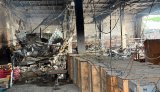 Russia struck ’Nova Poshta’ parcel depot in Izium with KAB. PHOTOS This morning, Russian invaders launched three air strikes on Izium in the Kharkiv region; it is reported that a ‘Nova Poshta’ parcel depot was hit. 1 995 6 Previously in trend: Shelling of Kharkiv region
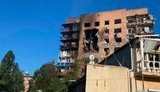 Russia launched massive attack on Donetsk and Kharkiv regions: seven dead, dozens wounded. PHOTOS Over the past 24 hours, Russian troops have launched massive attacks on the Donetsk and Kharkiv regions. At least six civilians were killed as a result of the shelling, and a further 28 people were injured, including a child. 1 264 4 Previously in trend: Shelling of the Donetsk region Shelling of Kharkiv region
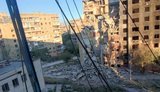 Kharkiv and Donetsk regions under attack by Russia: at least eight people killed, over 60 injured. PHOTOS The Kharkiv and Donetsk regions have come under fresh Russian attacks. Civilians have been killed and dozens of people injured. Residential areas, businesses, petrol stations and transport have been damaged. 808 0 Previously in trend: Shelling of the Donetsk region Shelling of Kharkiv region
Page 1 of 10
more news