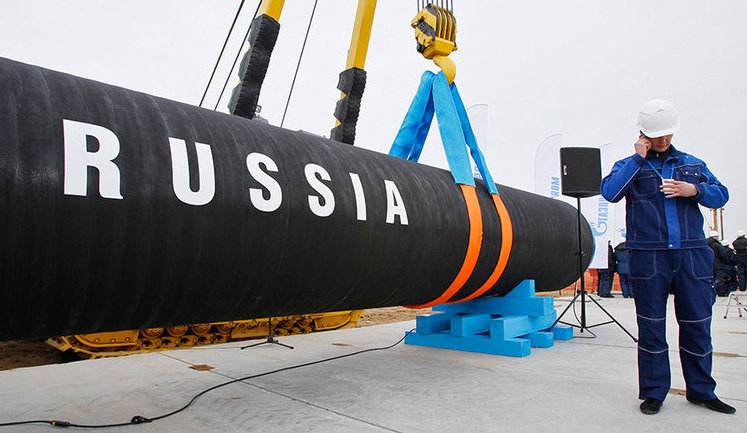
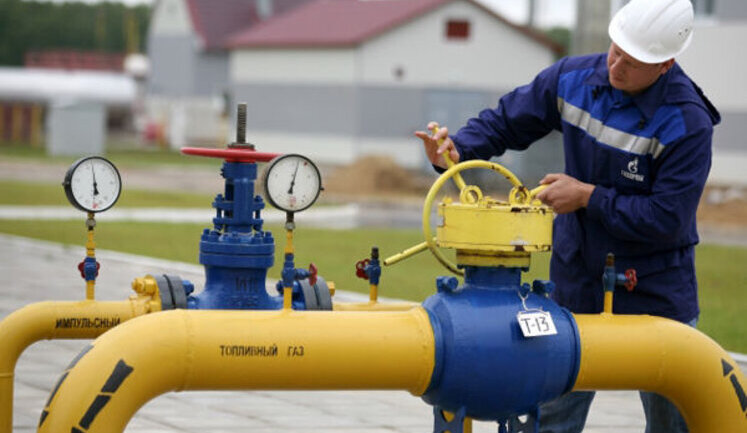
The issue of gas transit through Ukraine is a significant point of contention affecting European energy security and geopolitical dynamics. Ukrainian authorities have consistently stated their unwillingness to resume Russian gas transit, emphasizing the geopolitical leverage such a move affords Moscow. Recently, Slovak politicians, including Prime Minister Fico, have vocally demanded the resumption of gas transit, threatening EU actions otherwise. Meanwhile, countries like Austria have reduced reliance on Russian gas, further complicating the landscape. The European Union, aware of the potential consequences of transit termination, is exploring alternative routes and resources to mitigate energy supply disruptions.
What is the current status of Russian gas transit through Ukraine?
Russian gas transit through Ukraine remains suspended, a decision influenced by geopolitical tensions and energy security considerations. Despite international calls to resume the flow, Ukraine has maintained this stance, citing strategic arguments against relying on Russian energy. This has led to a significant reevaluation of European energy dependencies, with the EU and individual countries seeking alternative sources and transit routes to ensure stable gas supplies.
Why has Ukraine stopped the transit of Russian gas?
Ukraine's decision to halt Russian gas transit is rooted in geopolitical strategy and energy independence goals. The cessation aims to reduce Moscow's influence and bolster Ukraine's sovereignty. Additionally, Ukraine seeks to realign with European energy strategies, promoting non-Russian options. This move, while controversial, signals Ukraine's commitment to reducing its energy dependency on Russia, encouraging a broader shift towards energy diversification within the region.
How does the stoppage of Russian gas transit affect Europe?
The suspension of Russian gas transit through Ukraine has significant implications for Europe, impacting energy security and supply dynamics. While the EU has been exploring alternative energy sources, the absence of traditional routes necessitates rapid diversification and infrastructure adjustments. This shift highlights Europe's vulnerability and underscores the urgency for comprehensive energy policies that reduce dependency on Russian gas and enhance regional security.
What are the alternative routes for gas supply to Europe?
In response to the cessation of Russian gas transit through Ukraine, Europe is exploring multiple alternative routes and sources. Options include increased imports from North Africa, Middle East, and liquefied natural gas (LNG) terminals across the continent. These alternatives require significant infrastructure developments and international cooperation, underlining the complex and multifaceted approach Europe is adopting to ensure energy reliability and reduce dependency on Russian supplies.
How does Slovakia perceive the suspension of Russian gas transit through Ukraine?
Slovakia views the suspension of Russian gas transit through Ukraine as a significant economic and political challenge. Slovak leaders have expressed concerns regarding energy security and potential economic impacts. The situation has sparked diplomatic tensions, with Slovakia considering retaliatory measures and advocating for a resolution that would allow continued gas flow. Slovakia's position reflects broader regional concerns about energy reliability and geopolitical stability.
What positions are the U.S. and Trump administration taking on gas transit through Ukraine?
The U.S. Trump administration previously advocated for the resumption of Russian gas transit through Ukraine as part of a broader peace strategy. The position emphasizes U.S. interests in stabilizing European energy markets and maintaining geopolitical balance. Supporting Ukraine's role in transit routes aligns with American foreign policy objectives, aiming to mitigate Russian influence and promote energy diversification across Europe.
Are there any geopolitical implications of halting gas transit through Ukraine?
Halting gas transit through Ukraine carries notable geopolitical implications, reshaping power dynamics between Europe, Russia, and Ukraine. It reduces Russia's energy leverage over Europe, prompting countries to explore alternative energy sources. This can lead to shifts in alliance structures and strategic partnerships, highlighting the complex interplay between energy policies and international politics, and impacting regional stability and economic strategies within Europe and beyond.
What role does Hungary play in the gas transit situation?
Hungary, represented by Prime Minister Viktor Orban, has articulated a strong position on resuming Russian gas transit through Ukraine, linking it to possible actions on EU sanctions against Russia. Hungary's stance indicates a willingness to leverage international energy policy for domestic and regional benefits, reflecting broader tensions and diverse strategies within the EU. Hungary's approach highlights differing national interests and strategic priorities regarding energy security and foreign relations.