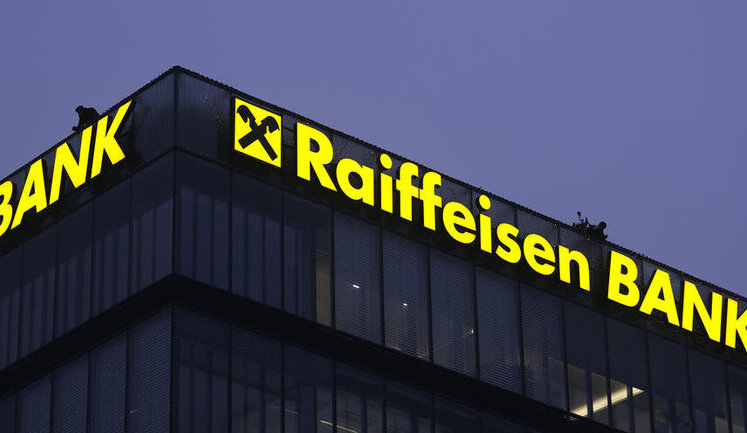
Raiffeisen Bank International, a key Austrian banking group, is at the center of EU sanctions against Russia. Austria has challenged the 12th EU sanctions package, primarily due to Raiffeisen being listed among war sponsors. This has stalled consensus among EU countries. The National Bank of Ukraine (NBU) has also voiced concerns, urging Raiffeisen to expedite its exit from the Russian market. The NBU emphasized that any asset exchanges with Russia's Sberbank are highly unacceptable. These developments underscore Raiffeisen's significant role in European financial dynamics amidst geopolitical tensions.
Why did Austria block the 12th EU sanctions package?
Austria opposed the 12th EU sanctions package due to the inclusion of Raiffeisen Bank on the list of war sponsors. This has caused disagreements among EU nations, delaying the sanctions approval process. Austria's stance is motivated by its interests in protecting Raiffeisen Bank, a major Austrian financial institution.
What role does Raiffeisen Bank play in EU sanctions discussions?
Raiffeisen Bank is at the heart of the ongoing EU sanctions discussions due to its continued ties to Russia. Its inclusion in the list of war sponsors has created tensions, influencing Austria's resistance to the sanctions package, which aims to pressure Russia economically.
What are the NBU's concerns regarding Raiffeisen Bank?
The National Bank of Ukraine (NBU) has expressed concerns about Raiffeisen Bank's activities in Russia. It warned the bank against asset exchanges with Sberbank, urging it to swiftly exit the Russian market to comply with international sanctions aimed at isolating Russia financially.
How has Raiffeisen Bank responded to its listing as a war sponsor?
Raiffeisen Bank's response to being listed as a war sponsor has been closely scrutinized. While the Austrian government has opposed the sanctions to protect financial interests, the bank faces pressure to align with international sanctions and reassess its operations in Russia.
What potential impacts does the sanctions dispute have on EU financial relations?
The ongoing dispute over the sanctions package and Raiffeisen Bank's role highlights underlying tensions in EU financial relations. It underscores the complexity of balancing national financial interests with broader geopolitical strategies, potentially straining unity in EU economic policy.