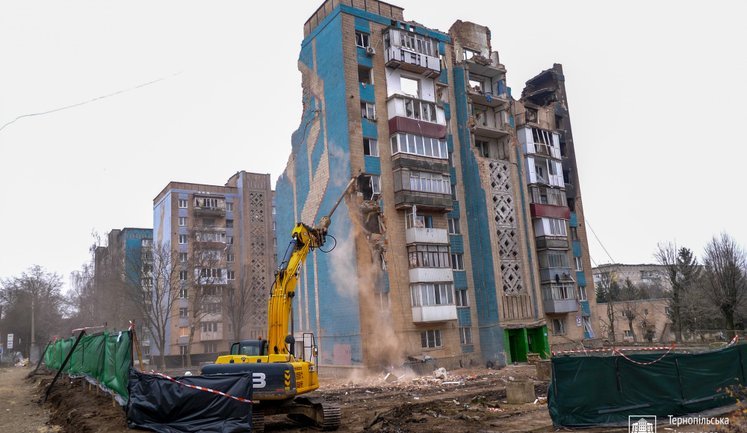
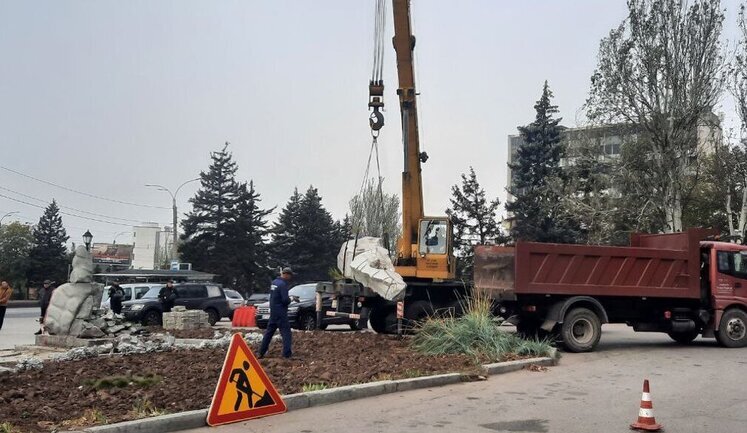
Derigging activities in Ukraine reflect a strong societal desire to remove symbols of past oppressions. Recently, actions such as the dismantling of Soviet-era and Russian cultural monuments have gained momentum. In Ternopil, a building devastated by a missile has seen the start of its demolition, while Kryvyi Rih and Zaporizhzhia have removed statues of iconic Russian writers Pushkin and Lermontov. Kyiv residents overwhelmingly support this derigging, aligning with their wish to erase remnants of Soviet influence. Such projects are part of a broader derigging movement seen across the nation, including major efforts in Odesa, as Ukraine strives to reclaim its public spaces and redefine its cultural landscape.
What does derigging mean in the context of Ukraine?
In the context of Ukraine, derigging refers to the removal or dismantling of monuments and symbols associated with Soviet and Russian influence, which are seen as remnants of past occupations and oppressive regimes. This movement aims to reshape public spaces and cultural identity.
Why are Soviet and Russian monuments being dismantled in Ukraine?
The dismantling of Soviet and Russian monuments in Ukraine is driven by a desire to remove symbols of past control and oppression. It reflects a broader effort to reclaim national identity, distancing from Soviet influence, and aligns with public sentiment favoring new societal narratives.
How do Ukrainian citizens feel about the removal of these monuments?
Many Ukrainian citizens support the removal of Soviet-era and Russian cultural monuments. For example, a significant majority in Kyiv and among displaced populations express approval of these actions, viewing them as necessary steps toward national renewal and historical rectification.
Which recent derigging activities have taken place in Ukraine?
Recent derigging activities in Ukraine include the dismantling of a missile-hit building in Ternopil, removal of Russian icons in Kryvyi Rih and Zaporizhzhia, and extensive efforts in Odesa to dismantle monuments, illustrating a national trend of eliminating Soviet-era relics.
What is the significance of removing Pushkin and Lermontov monuments?
Removing monuments of Russian figures like Pushkin and Lermontov signifies an effort to decolonize public spaces in Ukraine, acknowledging these figures as representatives of a past imperial culture that many Ukrainians view as oppressive and incongruent with their national identity.
Is there international attention on Ukraine's derigging efforts?
Yes, Ukraine's derigging efforts attract international attention as they signify a broader geopolitical shift and cultural realignment. These actions are perceived as symbolic rejections of Soviet influence and efforts to reinforce Ukraine's sovereignty and distinct cultural heritage.