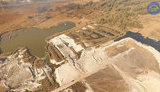
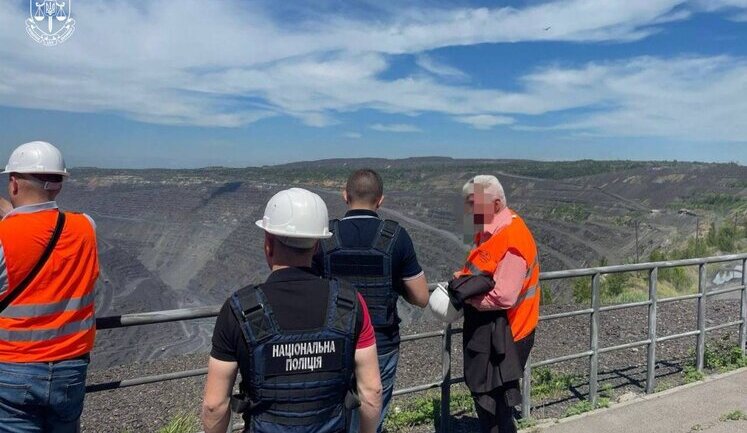
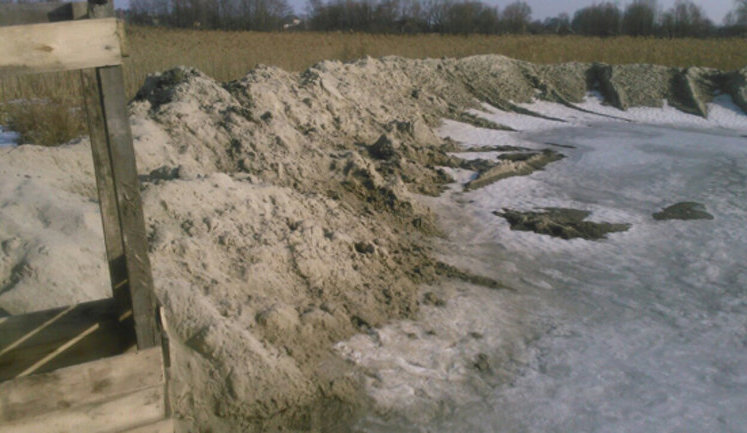
Illegal extraction continues to pose significant challenges to Ukraine's environment and legal frameworks. Recent reports highlight major illegal operations, such as the unauthorized kaolin extraction in the Dnipropetrovsk region, valued at 408 million hryvnias, with four individuals now facing trial. Similarly, 885 thousand tonnes of illegal mineral extraction in the Poltava region, worth UAH 3.5 million, have implicated four officials in complex legal proceedings. The National Police and Prosecutor General’s Office are rigorously pursuing these cases to tackle unlawful mining activities. These are not isolated incidents, but part of a broader pattern in Ukraine. Such activities undermine legal economic activities and wreak havoc on the ecosystem, as seen in ongoing cases in the Rivne and Sumy regions. Combating illegal extraction remains a priority to secure Ukraine's resources and protect its environment.
What are the recent cases of illegal extraction in Ukraine?
Recent cases include illegal kaolin mining in the Dnipropetrovsk region worth millions and ongoing issues in the Poltava region involving significant unlawful resource extraction. Officials face severe legal actions as authorities aim to curb these activities.
How does illegal mining affect Ukraine’s economy?
Illegal mining causes significant economic losses, as it bypasses legal taxation and regulation systems, leading to unfair competition with law-abiding businesses. It also incurs costs due to environmental degradation, impacting regional economic stability.
What legal actions are being taken to stop illegal extraction?
The Ukrainian authorities, including the National Police and Prosecutor General's Office, are actively pursuing legal actions against individuals and companies involved in illegal extraction. These actions include trials and rigorous investigations to enforce compliance with resource management laws.
Why is illegal extraction prevalent in Ukraine?
Illegal extraction in Ukraine is driven by high market demand for resources, weak enforcement of mining regulations, and financial incentives for illicit operations. The economic benefits of these resources often overshadow the legal risks for those involved.
What environmental impacts result from illegal mining?
Illegal mining leads to severe environmental degradation, including deforestation, soil erosion, water contamination, and loss of biodiversity. These impacts are often long-lasting, causing significant harm to ecosystems and human communities reliant on these environments.
How can the public contribute to stopping illegal extraction?
The public can help by reporting suspicious mining activities to authorities, supporting sustainable and legal local mining businesses, and raising awareness about the consequences of illegal resource extraction on the environment and economy.