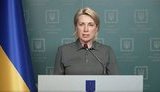
Deputy Prime Minister Iryna Vereshchuk plays a critical role in addressing Ukraine's complex political and social landscape. From managing the reintegration of temporarily occupied territories to addressing the challenges faced by Ukrainians in these areas, her efforts underscore significant national concerns. Vereshchuk's emphasis on military service training for both men and women highlights Ukraine's strategic priorities. Additionally, her advocacy against forced participation in Russian pseudo-referendums and her call for urgent evacuations from combat zones reflect her commitment to safeguarding Ukrainian sovereignty and citizens' well-being. Vereshchuk's active engagement is central to Ukraine's resistance and resilience strategies.
What are Iryna Vereshchuk's views on military service compliance?
Iryna Vereshchuk has stated that citizens liable for military service will not face fines if they fail to undergo a Military Medical Commission by a specified deadline. This reflects a flexible approach considering the unique challenges faced by individuals in wartime Ukraine.
How does Iryna Vereshchuk address forced evacuations in Ukraine?
Iryna Vereshchuk highlights the misuse of civilians as human shields in combat zones, prompting forced evacuations. She repeatedly calls for the safe removal of people from high-risk areas to protect them from the ongoing hostilities and ensure their safety amidst aggressive conflict dynamics.
What actions has Vereshchuk taken regarding pseudo-referendums?
Vereshchuk advises against participating in any form of Russian-organized pseudo-referendums in occupied territories, which have no legal recognition and may lead to severe repercussions for participating citizens under Ukrainian law.
What role does Vereshchuk play in the reintegration of occupied territories?
As Minister for Reintegration, Vereshchuk is integral to developing strategies for the reintegration of occupied territories back into Ukraine. This includes preparing personnel and creating frameworks to restore Ukrainian governance and societal norms in these regions post-occupation.
How does Vereshchuk respond to the issue of deported Ukrainian children?
Vereshchuk has publicly demanded the return of Ukrainian children deported to Russia. She stresses the illegality of these actions and calls for international assistance to address this critical humanitarian issue, ensuring the children's safe repatriation and reconnection with their homeland.
What stance does Vereshchuk take regarding Crimean Tatars under Russian pressure?
Iryna Vereshchuk has condemned the Russian attempts to forcibly mobilize Crimean Tatars into the army, highlighting this as a part of broader oppressive measures against minority groups in the occupied territories, urging the international community to take note of these violations.