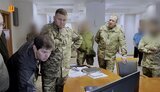
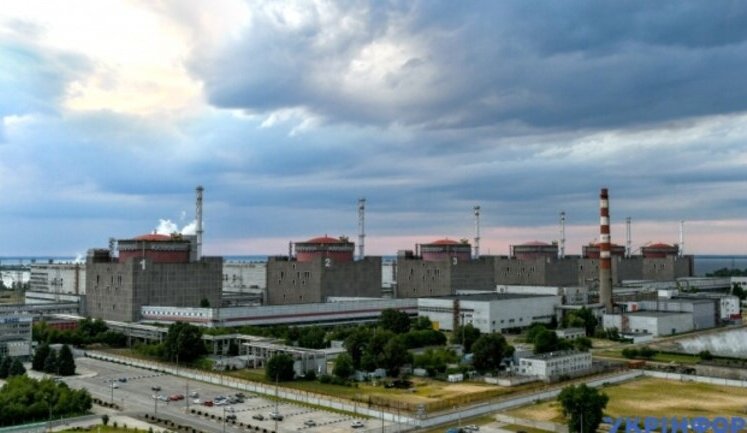
Petro Kotin, the president of "Energoatom", has consistently raised concerns regarding the dire situation at Zaporizhzhia Nuclear Power Plant (ZNPP). His statements highlight the challenges posed by the Russian military's presence at the plant, with reports of mining activities and unqualified personnel attempting to manage nuclear operations. Kotin has also emphasized the urgent issues concerning nuclear fuel that is close to expiration, posing a significant risk of a radiation accident. Plans are underway for the reoccupation of ZNPP, which would involve substantial efforts to restore operations, estimated to take two years post-control. Energoatom, under Kotin's leadership, is actively working on ensuring preparedness for these operations.
What is Petro Kotin's role related to Zaporizhzhia NPP?
Petro Kotin serves as the president of Energoatom, which oversees nuclear power operations in Ukraine, including the Zaporizhzhia NPP. His role involves managing nuclear safety and operational strategy, especially amid the challenges posed by the current occupation by Russian forces.
How long will it take to restart Zaporizhzhia NPP after regaining control?
According to Petro Kotin, once control over Zaporizhzhia NPP is regained, it is expected to take approximately two years to fully restart operations at the plant. This period allows for necessary safety checks and operational adjustments.
What risks are associated with the current situation at Zaporizhzhia NPP?
Petro Kotin has identified several risks at Zaporizhzhia NPP, including the presence of unqualified personnel, the danger of expired nuclear fuel, and the potential for radiation accidents. Additionally, the constant military mining of the site increases the risk of power outages and further challenges plant stability.
What is the status of nuclear fuel at Zaporizhzhia NPP?
The nuclear fuel at Zaporizhzhia NPP is nearing expiration, which Petro Kotin warns could lead to severe safety risks, including radiation accidents. The situation necessitates careful handling and immediate attention to maintain safety standards at the plant.
Has Zaporizhzhia NPP faced any close-call incidents recently?
There have been reports of Zaporizhzhia NPP being on the brink of nuclear and radiation accidents, as stated by Petro Kotin. These incidents highlight the precarious situation at the plant, largely attributed to destabilizing factors introduced by the occupying forces.
What measures are being taken to ensure safety at Zaporizhzhia NPP?
Under the direction of Petro Kotin, Energoatom has established a crisis management team to handle potential emergencies at Zaporizhzhia NPP. Efforts are being made to prepare qualified personnel for post-de-occupation operations, alongside plans for restoring the plant's original infrastructure and safety protocols.
Is there an immediate threat of a nuclear accident at Zaporizhzhia NPP?
Although there is currently no immediate threat of a nuclear disaster according to Petro Kotin, the presence of the Russian military and improperly handled nuclear fuel pose serious long-term safety concerns. Continuous monitoring and reassessment are required to prevent future incidents.
How does the situation at Zaporizhzhia NPP affect Ukraine's energy security?
The ongoing issues at Zaporizhzhia NPP significantly impact Ukraine's energy security. The plant is a crucial component of Ukraine's power grid, and its compromised operation could lead to energy shortages and instability, making the de-occupation and restoration critically important for national energy resilience.