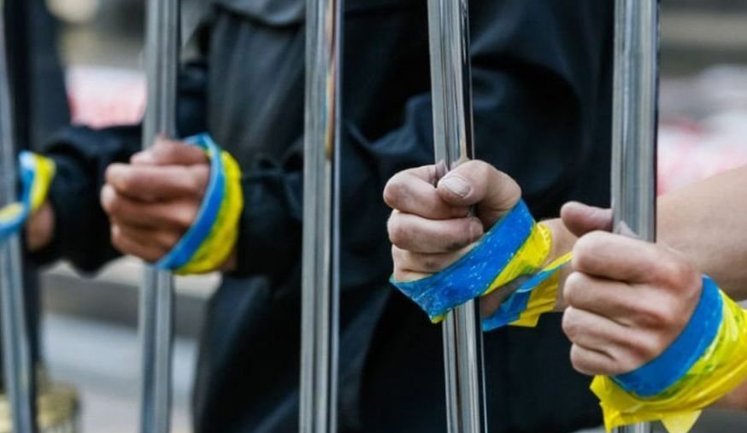
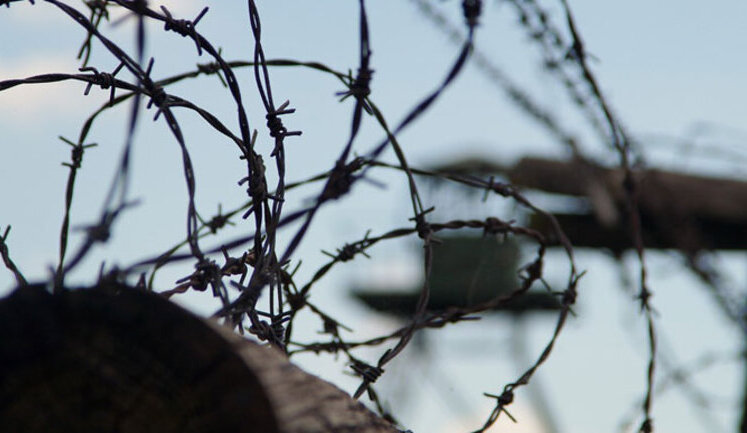
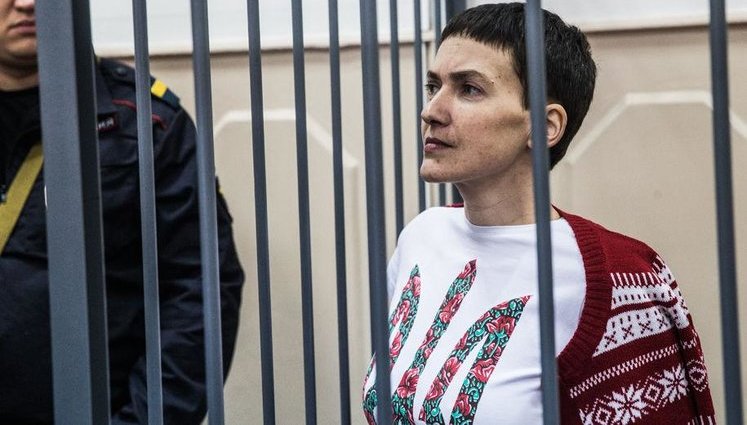
The establishment of unlawful detention centres in the occupied Kharkiv region marks a severe violation of human rights. Human rights activists have documented 29 torture centres where around 800 civilians passed through before being deported to Russia. In the Kherson region, Russia plans to build a 'super-prison', heightening concerns over pro-Ukrainian residents' imprisonment. Additionally, Ukrainians in occupied zones face detentions if they lack Russian passports. This increasing network illustrates the systematic oppression faced by Ukrainians under occupation, fostering international outrage over these acts of unlawful imprisonment and deportation.
How many torture centres exist in Kharkiv region's occupied territories?
Human rights activists have documented a network of 29 torture centres in the occupied territories of Kharkiv. These centres are reportedly used for the unlawful detention and deportation of civilians to Russia, signaling a grave human rights issue.
What risks do Ukrainians face in occupied territories without Russian passports?
Ukrainians without Russian passports in occupied areas face the risk of detention in Russian immigration centres. This situation underscores the tensions and legal uncertainties imposed by the occupying forces on residents unwilling or unable to obtain Russian documentation.
What is the proposed 'super-prison' in Kherson region about?
Russia plans to build a 'super-prison' in the occupied Kherson region, consolidating remand centres and various security prisons. The facility is a part of broader oppressive measures against pro-Ukrainian residents and has raised significant concerns among human rights organizations.
Have there been recent legal proceedings against civilians for supporting Ukraine?
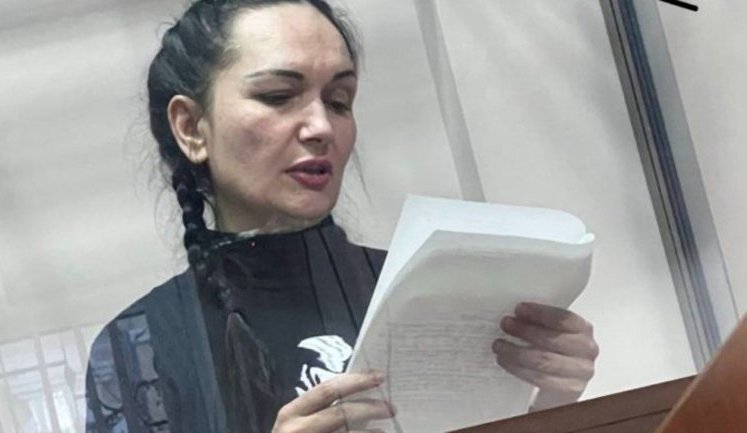
Yes, there have been instances where civilians in the occupied Kherson region received long sentences for supporting Ukraine. For instance, a family from Kherson was sentenced to 16 and 12 years in prison, reflecting the harsh punitive measures against dissent in occupied areas.
What international responses are there to the imprisonment conditions in occupied Ukraine?
International organizations have expressed significant concern over the imprisonment and deportation of Ukrainian civilians, highlighting these actions as violations of human rights. Diplomatic pressure and calls for investigations have been part of the global response to these issues.
How are teenagers treated in occupied territories under Russian control?
In some cases, teenagers in occupied territories have faced severe charges and sentences from Russian courts. For example, a 17-year-old from Donetsk was sentenced to nine years for alleged treason, reflecting harsh judicial practices and the targeting of young residents in these regions.