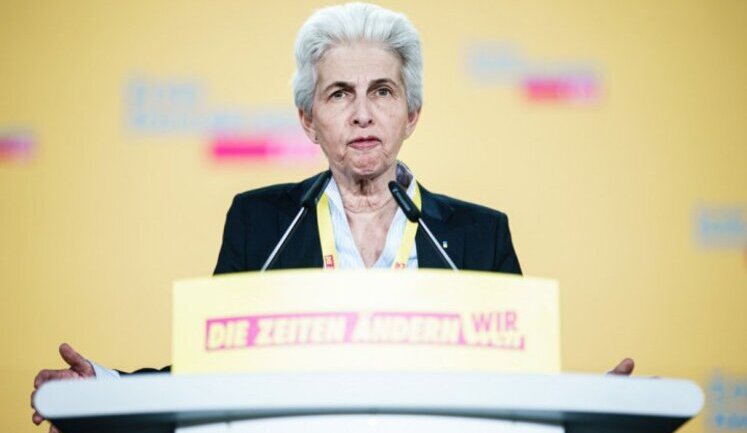
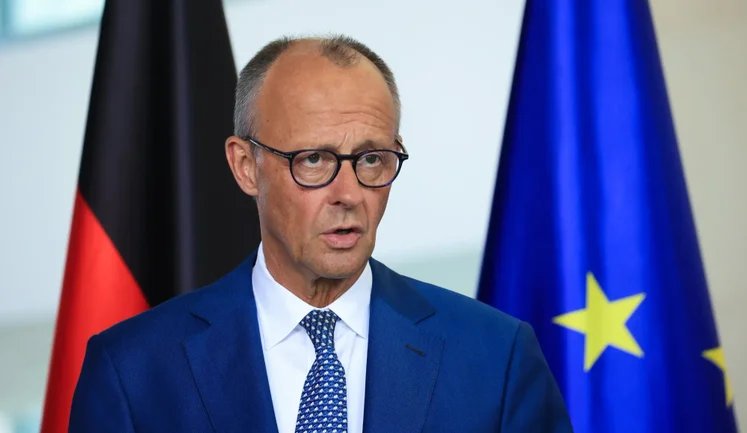
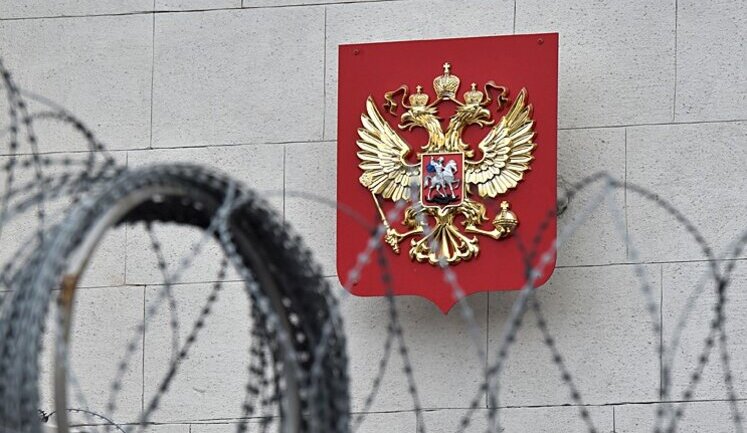
The debate over the use of frozen Russian assets, totaling up to €200 billion, has intensified. European nations are considering redirecting these funds to aid Ukraine's war-torn economy and reconstruction efforts. Esteemed figures like Strack-Zimmermann are vocal about unfreezing these assets for Ukraine's benefit. Simultaneously, the Trump administration proposes transferring these funds to U.S. control, causing an international stir. Compounding the issue are legal threats from the Kremlin to protect Russian assets and opposition from Belgium, which views the redistribution as non-negotiable. Amidst this political volley, Ukraine remains hopeful for financial resolutions that will support its needs.
Why is there a proposal to use frozen Russian assets for Ukraine?
The proposal aims to use Russian assets, frozen by various governments after the invasion, to support Ukraine during the ongoing conflict and aid in post-war reconstruction. This move is seen as a financial reparation for the damages caused by Russian aggression against Ukraine.
How much are the frozen Russian assets currently estimated to be worth?
The frozen Russian assets in question are estimated to be worth approximately €200 billion. These include sovereign assets and are held primarily by European institutions due to sanctions implemented after the Russian aggression against Ukraine.
What are the differing international views on handling frozen Russian assets?
International opinions vary: the European Union is considering using these funds for Ukraine's aid, while the U.S. under the Trump administration suggests seizing control over a portion of these assets. Additionally, some countries like Belgium oppose the redistribution of funds, complicating international consensus.
What legal actions has the Kremlin threatened over frozen asset usage?
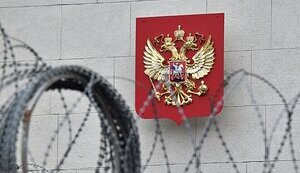
Moscow threatens to pursue "the full range of legal measures" against any nations that decide to use the frozen assets for financing Ukraine. Russia views these actions as illegal under international law, earmarking it as a violation of state property rights.
What role is the European Union playing in the frozen assets debate?
The European Union is central to the debate, deliberating over unfreezing and using the assets to fund Ukraine's needs. This includes a potential reparations loan, despite opposition from countries like Belgium and pressure from external forces such as the United States.
How has Ukraine responded to discussions regarding the frozen Russian assets?
Ukraine, led by President Zelenskyy, actively advocates for the use of these frozen funds as financial reparations. The Ukrainian government emphasizes their necessity for immediate war support and future reconstruction and seeks international support for their release.
What are the potential consequences of the EU funding decision?
The EU's funding decision could influence international relations significantly. Should the EU act on using frozen Russian assets for Ukraine, it could face diplomatic tensions with non-complying nations like Belgium and could also alter relations with the United States regarding asset control.
What are the key challenges in reallocating frozen Russian assets?
Main challenges include legal complexities, international disagreement, diplomatic pressure, and potential retaliatory actions from Russia. Aligning the interests of multiple stakeholders amid political, legal, and ethical considerations adds to the complexity.