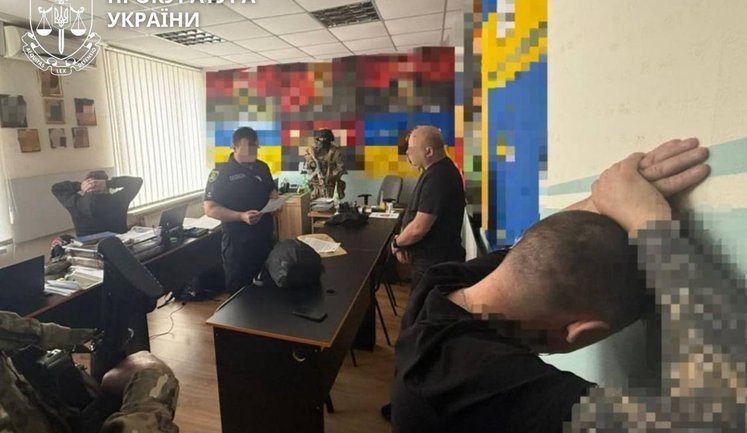
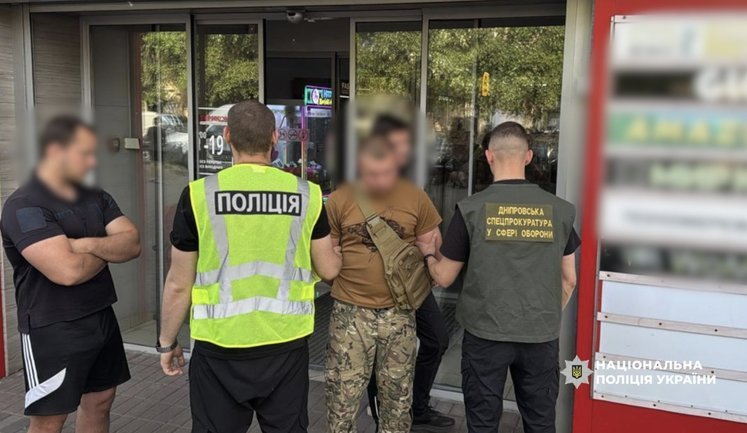
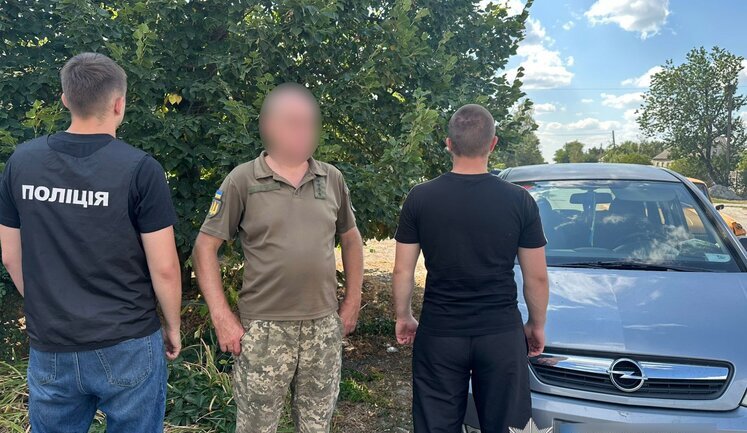
A shocking bribery incident has emerged in the Dnipropetrovsk region, shedding light on corruption within military units. A 52-year-old company commander of a reserve battalion demanded bribes to conceal unauthorised absences among his subordinates. The National Police have reported that he requested about 10,000 hryvnias monthly to keep quiet about this misconduct. Such bribery practices, particularly in military settings, exacerbate the challenges faced by Ukraine and undermine trust within the armed forces. The situation calls for urgent attention to curb corruption and ensure accountability among military personnel.
What happened with the company commander in Dnipropetrovsk?
The company commander in Dnipropetrovsk, aged 52, was involved in a bribery scandal. He demanded bribes of about 10,000 hryvnias monthly to conceal unauthorised absences from the military unit. This illegal activity has been highlighted by the National Police as part of a broader crackdown on corruption in military ranks.
What does the Dnipropetrovsk scandal reveal about military corruption?
The Dnipropetrovsk scandal highlights systemic issues of corruption within military units. The demand for bribes in exchange for concealing misconduct such as AWOL indicates significant trust deficiencies and the need for stringent anti-corruption measures. It demonstrates the urgent need for reform and oversight in military practices.
How widespread is bribery in Ukrainian military units?
While exact statistics are challenging to pinpoint, bribery incidents like the Dnipropetrovsk case suggest that corruption is a troubling issue in Ukrainian military units. Efforts to address and expose such practices are critical in maintaining the integrity and functional capability of the military.
What are the consequences of the commander’s actions in the Dnipropetrovsk case?
The commander involved in the Dnipropetrovsk scandal faces serious legal consequences. His actions undermine military protocol and discipline, and they erode the trust necessary for effective unit operations. Legal repercussions serve as a deterrent against similar misconduct by military personnel.
How is the National Police of Ukraine addressing bribery in the military?
The National Police of Ukraine are actively investigating and cracking down on bribery and corruption in military units. Cases like the one in Dnipropetrovsk highlight their commitment to exposing such practices, ensuring transparency, and restoring faith in military institutions by enforcing the law and integrity.