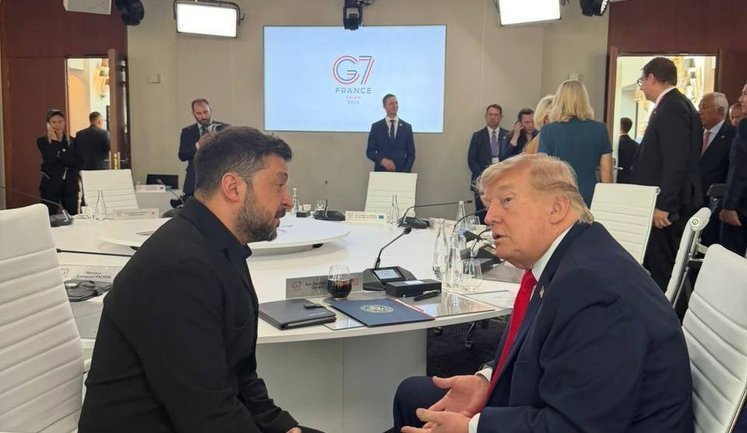
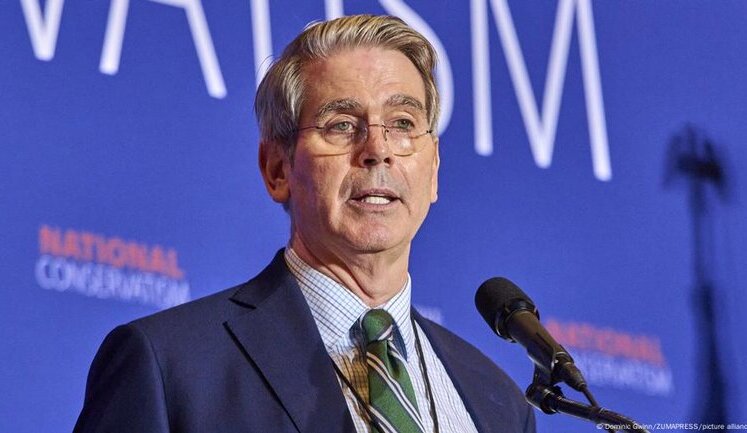
Recent developments highlight a significant increase in economic pressure on Russia, spearheaded by U.S. President Donald Trump and European leaders. Ukrainian President Volodymyr Zelenskyy emphasized Trump's commitment to promoting peace by intensifying economic strategies against Russia. Additionally, U.S. Treasury Secretary Scott Bessent has stressed the necessity for Europe to lead in escalating the G7's economic measures against Russia. This approach is aimed at accelerating the end of the conflict. Concurrently, reports from within Russia depict a critical economic scenario, with internal political dynamics contributing to a decline, as echoed by a Kremlin-affiliated blogger. The overarching impact of these economic policies continues to shape the geopolitics of the region.
How is Trump escalating economic pressure on Russia?
U.S. President Donald Trump is committed to increasing economic pressure on Russia to advance peace efforts. Trump collaborates closely with global leaders, especially those in Europe, to enforce stricter economic sanctions as part of a broader geopolitical strategy to resolve the ongoing conflict.
What role does Europe play in the G7 pressure on Russia?
Europe is expected to spearhead the implementation of intensified economic measures proposed by the G7 countries against Russia. European leadership is crucial in aligning global economic policies that aim to pressure Russia into adopting peaceful resolutions to the ongoing conflict.
What is the economic situation in Russia currently?
The economic situation in Russia is described as critical, with internal political dynamics contributing significantly to its decline. Reports indicate that current government policies are exacerbating the economic challenges, leading to broader societal implications and highlighting the urgency for strategic reforms and diplomatic interventions.
Why is economic pressure considered important in resolving conflicts?
Economic pressure is a strategic tool used by nations and alliances like the G7 to influence another country's policies without resorting to military actions. By imposing economic sanctions and restrictions, countries can encourage policy changes and negotiations, promoting peaceful resolutions to conflicts as observed in the ongoing efforts against Russia.
What statements have international leaders made regarding Russia's economy?
Leaders, including U.S. Treasury Secretary Scott Bessent, have publicly stated the necessity of addressing the economic challenges posed by Russia's current policies. Bessent advocates for increased G7 economic pressures, stressing the pivotal role of global economic unity led by Europe to address and resolve the ongoing geopolitical strife effectively.