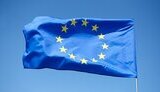
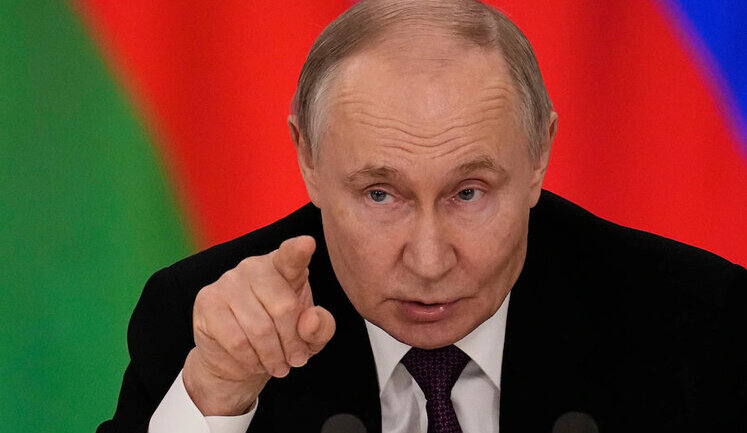
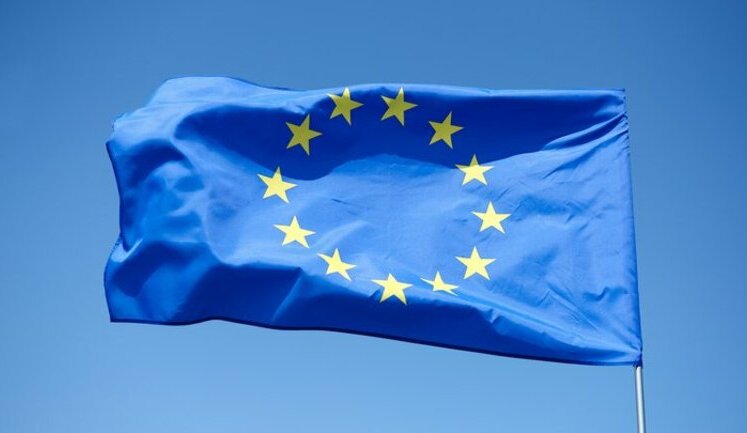
In a major development, Ukraine and the European Union are poised to announce the creation of a special tribunal against Russian president Vladimir Putin and senior Kremlin officials for their roles in the war against Ukraine. The move, backed by the European Council, seeks to bring accountability for crimes of aggression. However, the tribunal will not prosecute Putin, Prime Minister Mikhail Mishustin, or Foreign Minister Sergey Lavrov while they hold office. Despite strong EU support, internal dissent arises as Hungary disagrees with some tribunal conclusions. This marks a significant stride in international justice, highlighting a complex geopolitical legal battle.
Why is a tribunal being established for Putin?
The tribunal aims to hold Kremlin officials accountable for war crimes related to the invasion of Ukraine. This includes prosecuting Russian President Vladimir Putin for his role in orchestrating these acts of aggression. The establishment signifies the EU and Ukraine's commitment to international justice and upholding international law.
What are the goals of the special tribunal for Ukraine?
The special tribunal's goal is to prosecute and bring to justice those responsible for crimes committed during Russia's invasion of Ukraine. It seeks to address the crimes of aggression led by Vladimir Putin and other key Kremlin officials, ensuring accountability at the highest level.
Will the tribunal prosecute Putin while in office?
The tribunal will not prosecute Vladimir Putin, Prime Minister Mikhail Mishustin, or Foreign Minister Sergey Lavrov as long as they remain in office. This restriction underscores the challenges in prosecuting sitting world leaders and diplomatically navigating international legal frameworks.
What is Hungary's stance on the tribunal against Putin?
While the European Council supports the creation of the tribunal, Hungary has expressed opposition to some conclusions of the tribunal, indicating a split within the EU regarding the approach to prosecuting Russian aggression. Hungary's disagreements highlight the complex political landscape surrounding this issue.
What role does the EU play in the tribunal's establishment?
The European Union is actively supporting the establishment of the special tribunal to prosecute crimes linked to Russia's war in Ukraine. The EU's backing indicates strong continental support for holding Russian leadership accountable while also navigating internal disagreements, such as those presented by Hungary.
How significant is the tribunal announcement by Ukraine and the EU?
The tribunal announcement marks a pivotal step in seeking justice for acts of aggression against Ukraine. It represents a coordinated legal effort by Ukraine and EU to ensure accountability for high-level Russian officials involved in the war, setting a precedent in international criminal justice.