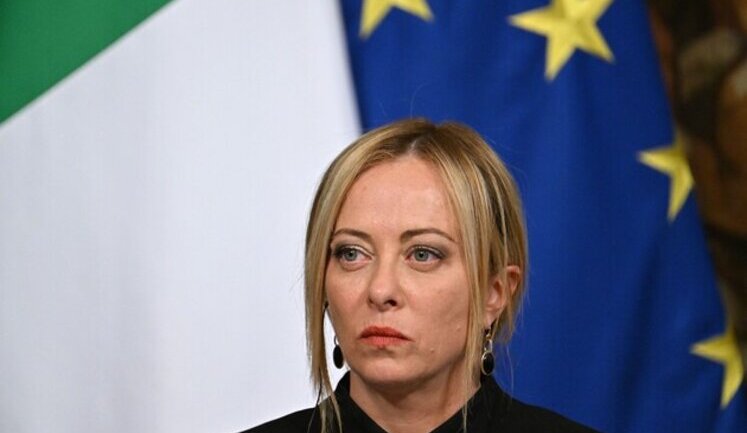
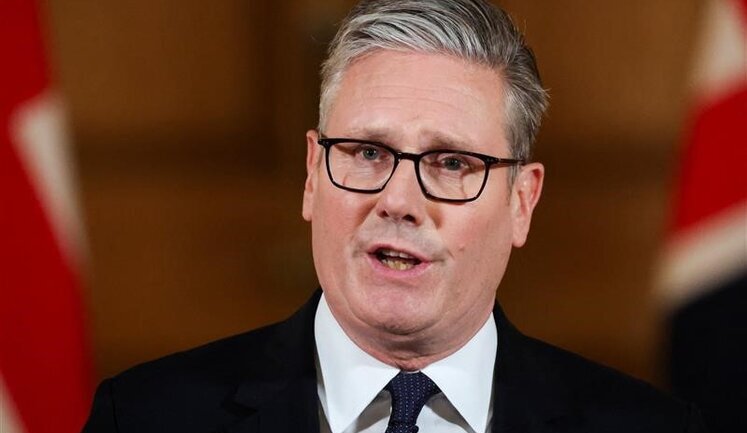
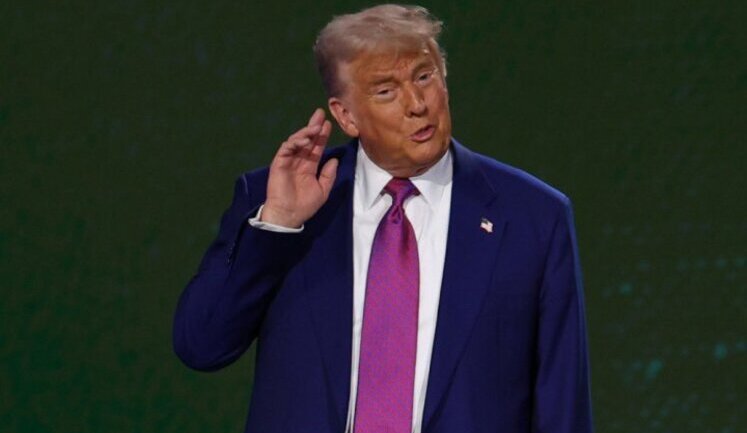
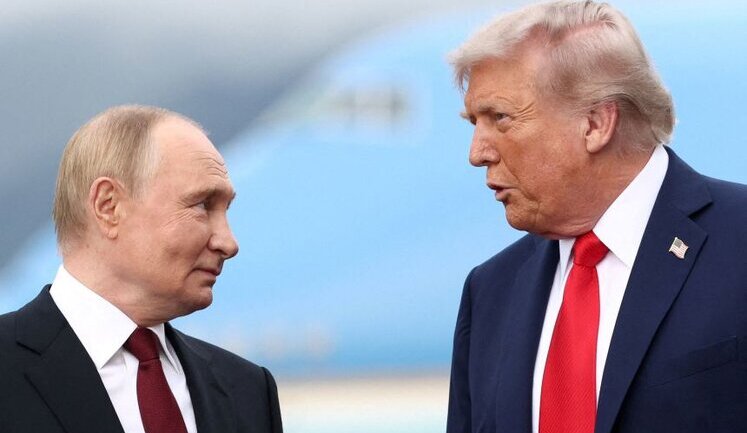
The global community continues to mount pressure on Russia amidst escalating tensions in Ukraine. Key political figures, including British Prime Minister Keir Starmer and French President Emmanuel Macron, emphasize the necessity of increased pressure to compel Russia to negotiate peace. European leaders, alongside their US counterparts, advocate for strengthened sanctions and support for Ukraine. President Zelenskyy of Ukraine urges for a unified international approach to counter Russian aggression, highlighting the cost-efficiency of stopping President Putin now. As the US pressures Russia's allies and explores economic measures, the dialogue between Western nations remains crucial in seeking a resolution to the conflict. Amidst these pressing discussions, there is broad consensus on the indispensable role of heightened diplomatic and economic actions against Russia.
Why is there a call to increase pressure on Russia?
The call to increase pressure on Russia is driven by its ongoing aggression in Ukraine. International leaders believe that intensified economic, diplomatic, and military pressure can compel Russia to engage in meaningful peace negotiations. Behind this strategy is the recognition that weakening Russia's capacities and leveraging sanctions will enhance prospects for a peaceful resolution, benefiting regional and global stability.
What role do sanctions play in the pressure on Russia?
Sanctions are pivotal in exerting economic pressure on Russia, aiming to restrict its financial and technological capabilities. By imposing sanctions, the international community seeks to choke off resources essential for sustaining Russia's military operations in Ukraine. This approach intends to bring Russia to the negotiating table by creating economic hardships that influence its policy decisions.
How is the US contributing to the pressure on Russia?
The US is a key player in increasing pressure on Russia, utilizing a combination of economic sanctions and diplomatic lobbying to isolate Russia internationally. The US administration actively engages with its allies to coordinate these efforts, emphasizing the need for robust financial restrictions and support for Ukraine. Additionally, it pressures Russia's allies to limit assistance, aiming to curtail Kremlin's war capabilities.
What are the key strategies in applying pressure on Russia?
The strategies include strengthening economic sanctions, increasing military support for Ukraine, and fostering international diplomatic consensus. This multifaceted approach aims to weaken Russia's economy while bolstering Ukraine's defense, thus creating conditions unfavorable for continuing aggression. The underlying goal is to leverage these pressures to prompt substantive peace negotiations.
How does European leadership view the pressure on Russia?
European leaders view increasing pressure on Russia as crucial for achieving peace in Ukraine. They advocate for coordinated efforts with the United States to implement stringent sanctions while simultaneously providing defensive support to Ukraine. By maintaining this pressure, European leadership aims to compel Russia towards a peaceful resolution and deter future aggression.
What specific actions have the US and Europe taken against Russia?
The US and Europe have enacted various sanctions targeting Russia's financial institutions, energy sector, and political elite. They have also supported Ukraine with military aid and humanitarian assistance. Diplomatic efforts continue to ensure collective international action against Russian aggression, aiming to sustain and increase pressure to bring about peace.
What is the role of international diplomacy in pressuring Russia?
International diplomacy is vital in uniting countries to impose a cohesive front against Russia. Through diplomatic channels, nations work to align sanctions policies, international aid, and military support strategies. This united stance is intended to amplify the pressure on Russia, aiming for a diplomatic breakthrough that favors peace negotiations.
What impact does increased pressure have on Russia's allies?
Increased pressure on Russia also targets its allies, seeking to curtail their support which sustains Russian military efforts. International efforts focus on disrupting supply chains, financial aid, and trade that facilitate Russia's actions. By isolating Russia further, the international community hopes to weaken its position and influence peace discussions.