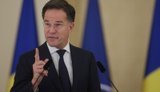
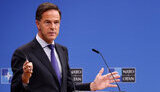
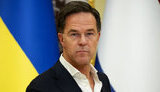
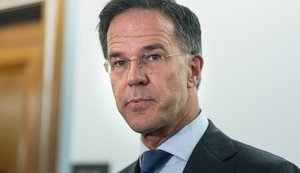
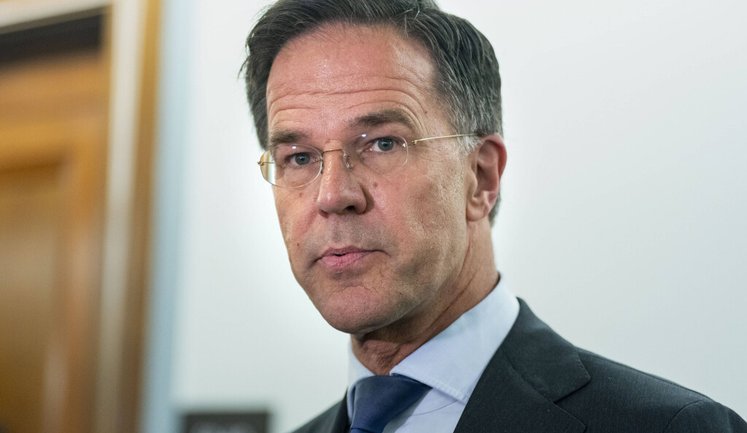
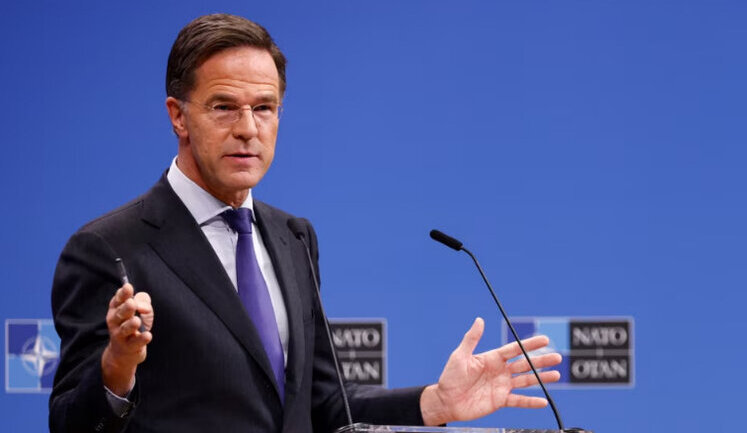
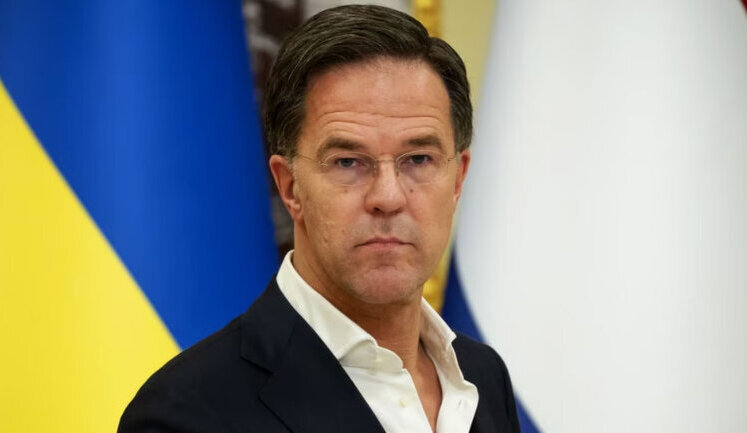
Mark Rutte, NATO Secretary General, has recently made headlines by challenging Russian President Vladimir Putin’s strategies and statements regarding Ukraine. Rutte emphasized that Putin is struggling with finances, manpower, and innovative tactics, and his aggressive approach has led to significant Russian casualties. Rutte’s comments highlight the diminishing success of Russian forces on the Ukrainian front. In a separate statement, Rutte advised NATO members to avoid overestimating Russian military strength and not take Moscow's aggressive posturing too seriously. He also referred to some of Putin's statements as "crazy," particularly those regarding peace agreements with Ukraine. Rutte's critical perspective underscores concerns about Russia's intentions and the broader geopolitical implications of their actions.
What did Rutte say about Putin's military capabilities?
Rutte mentioned that Putin is facing significant challenges such as a shortage of money, troops, and ideas, leading to minimal success on the Ukrainian front. He advised that NATO should not overestimate Russia's military strength, suggesting a decline in their actual capabilities.
How did Rutte describe Putin's statements about Ukraine?
Rutte referred to Putin's statements regarding Ukraine and peace agreements as "crazy." He emphasized that these claims should not be taken seriously, underscoring that they lack credibility and reflect a disconnection from the realities on the ground.
What are the implications of Rutte's statements for NATO allies?
Rutte's statements suggest that NATO allies should reevaluate their perception of Russian military capabilities and aggressive behavior. His comments encourage a more measured and less reactionary approach to Russia, focusing on factual analyses of their limitations and threats.
How has Putin's approach affected the situation in Ukraine according to Rutte?
According to Rutte, Putin's aggressive policies have resulted in substantial casualties among Russian forces without achieving significant progress in Ukraine. This approach showcases strategic failures and growing vulnerabilities on the Russian side, emphasizing the need for a revised tactic.
Why does Rutte advise against taking Russia too seriously?
Rutte advises against taking Russia too seriously because he believes that the perception of Russia having formidable military capabilities is overstated. He underscores that Russia's challenges in finances and manpower diminish their effective threat level, necessitating a realistic assessment by NATO.
What does Rutte suggest about NATO's response to Russia?
Rutte suggests that NATO's response to Russia should be based on realistic assessments rather than inflated fears. By not overestimating Russia's military strength, NATO can better focus on strategic resilience and informed defense planning, maximizing its collective security measures.