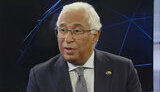
EU leaders are scheduled to meet in Copenhagen on October 1, 2025, for a crucial summit aimed at addressing the ongoing situation in Ukraine. Invited by European Council President António Costa, the summit will serve as a platform for discussing regional stability, EU economic strategies, and the broader implications of the conflict in Ukraine. This informal gathering highlights the EU's dedication to collective security and strategic economic partnerships. With global challenges at the forefront, the summit underscores EU leaders' commitment to maintaining regional cooperation and trade alignment within Europe.
Why are EU leaders meeting in Copenhagen?
The meeting in Copenhagen has been convened to discuss the situation in Ukraine among other pressing issues. This summit, led by European Council President António Costa, aims to foster dialogue on regional stability and economic strategies within the EU. The informal setting is expected to enhance discussions concerning the collective security and strategic responses to ongoing regional challenges.
What topics are expected to be discussed at the EU summit?
The EU summit in Copenhagen will primarily focus on the ongoing issues related to Ukraine, including regional stability and security measures. Additionally, discussions are anticipated around the EU's economic strategies and broader global economic considerations, reflecting the union's commitment to cohesive economic and security policies.
Who initiated the EU leaders' meeting in Copenhagen?
The informal meeting in Copenhagen was initiated by European Council President António Costa. He has invited EU leaders to convene and discuss critical issues affecting the EU and its neighboring regions, focusing heavily on Ukraine's situation and its implications for regional and global stability.
How does the EU summit impact the situation in Ukraine?
The EU summit serves as an important venue for leaders to deliberate on coordinated strategies concerning Ukraine. By fostering dialogue among EU member states, the summit aims to navigate the complexities of the ongoing conflict, exploring avenues for peace and stability while reaffirming the EU's commitment to a united response to the crisis in Ukraine.
What is the significance of the EU leaders' united front?
The unity demonstrated by EU leaders during the summit symbolizes a collective commitment to addressing key regional challenges, notably the conflict in Ukraine. This unity enhances the EU's ability to present a coordinated response, reinforcing political solidarity and economic resilience in the face of global turmoil.