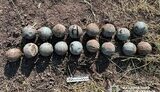
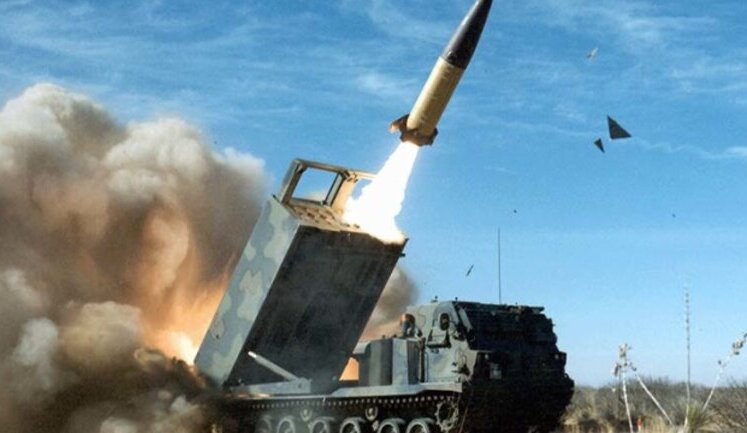
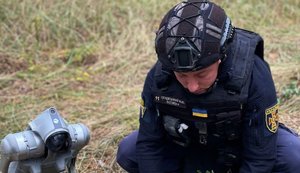
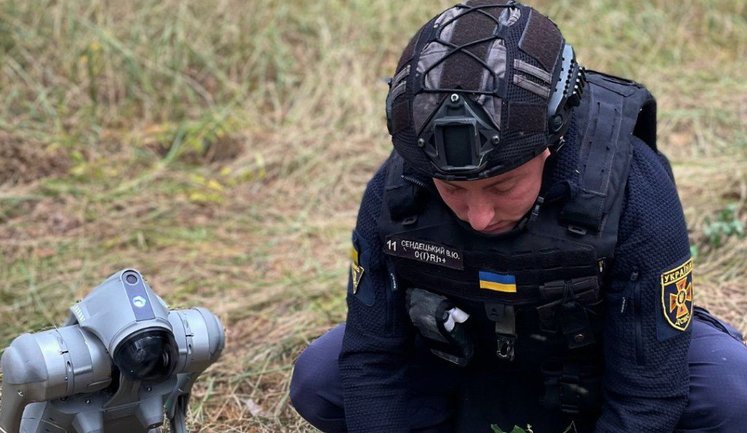
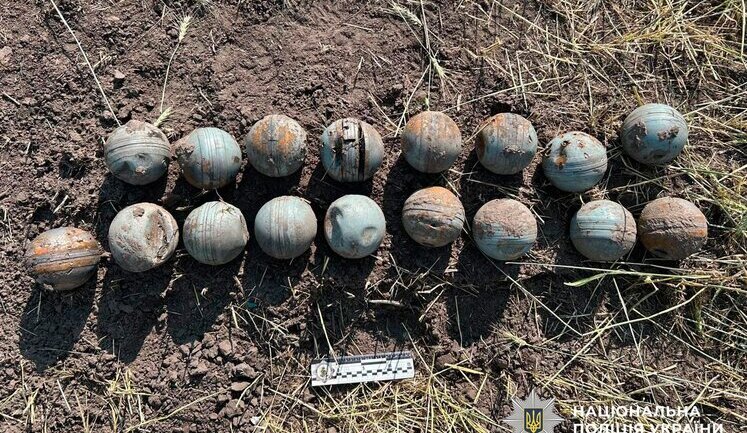
Unexploded cluster munitions remain a critical concern in the ongoing conflict zones in Ukraine. Human Rights Watch has urged the U.S. Congress to block the transfer of these munitions from Turkey to Ukraine, emphasizing the dangers they pose. In recent months, areas like the Kyiv and Poltava regions have reported remnants of such devices following hostile strikes by Russian forces. The potential harm to civilian lives is significant, leading to increased efforts by bomb squads to neutralize the threats. Innovative solutions like robotic dogs are now assisting in safely deactivating unexploded munitions, underscoring the need for advanced technology in mitigating these risks. The persistence of unexploded cluster munitions not only threatens immediate safety but also complicates post-conflict recovery efforts throughout affected regions in Ukraine.
What are cluster munitions and why are they considered dangerous?
Cluster munitions are a type of explosive weapon that scatters numerous small bomblets over a wide area. They are considered dangerous because they often leave unexploded remnants that can detonate later, posing long-term risks to civilians. These devices have been banned by many countries due to their indiscriminate nature and potential to cause unintended civilian casualties long after conflicts have ended.
Why did Human Rights Watch request a halt on transferring cluster munitions to Ukraine?
Human Rights Watch requested that the U.S. Congress block the transfer of cluster munitions to Ukraine to prevent exacerbating the humanitarian risks associated with their use. These munitions have a high failure rate, meaning that unexploded bomblets can remain a threat long after their deployment, posing severe dangers to civilians and complicating post-conflict recovery efforts.
How is the robotic dog being used in dealing with unexploded munitions?
The robotic dog is utilized in hazardous environments to safely locate and neutralize unexploded cluster munitions in affected areas such as the Kyiv region. These robots are equipped with sensors and tools that allow them to perform tasks that are too dangerous for human bomb disposal teams, thus reducing the risk to personnel while ensuring that threats are effectively managed.
What measures are taken by emergency services to deal with unexploded cluster munitions?
Emergency services, particularly bomb squads, are engaged in routinely scanning areas for unexploded cluster munitions and deploying specialized equipment and personnel to safely defuse them. These operations are crucial for minimizing the risks posed to civilians and ensuring that affected regions can be safely inhabited and retrospectively cleared of explosive threats.
What impact do unexploded cluster munitions have on affected communities in Ukraine?
Unexploded cluster munitions significantly impact affected communities by posing ongoing safety risks, hindering agricultural and infrastructural development, and instilling a constant fear among residents. They can detonate at any time, leading to potential casualties, thus necessitating ongoing clearance and education efforts to mitigate their lingering dangers.