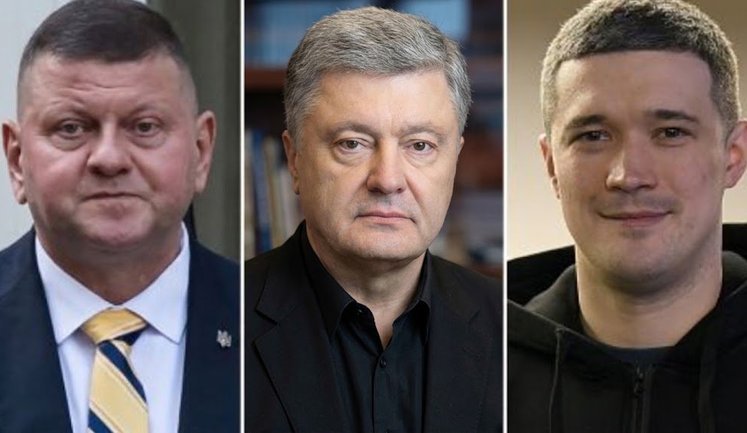
Recent polls reveal a shifting landscape in Ukrainian party ratings, with Valerii Zaluzhnyi’s party and European Solidarity gaining significant traction among voters. These parties lead the polls, reflecting a growing trust in military and established political entities in Ukrainian elections. Valerii Zaluzhnyi’s party commands 17.2% support, surpassing Volodymyr Zelenskyy’s party, which stands at 16.8%. Other key figures such as Kyrylo Budanov and Robert "Magyar" Brovdi also show substantial influence in the current political climate. The results underscore a potential shift towards candidates associated with defense and security, often perceived as more reliable amid ongoing challenges. Comprehensive polling indicates a significant portion of Ukrainians express dissatisfaction with the governing party, further emboldening emergent political movements.
What are the key findings in recent Ukrainian party ratings polls?
Recent polls emphasize Valerii Zaluzhnyi's party leading the preference rankings with 17.2% support, followed closely by Zelenskyy's party at 16.8%. The European Solidarity party also shows strong backing with over 15% support from Ukrainians, indicating a significant trend of trust in military-associated figures and established political forces.
Why is Valerii Zaluzhnyi’s party gaining popularity in Ukraine?
Valerii Zaluzhnyi’s party is gaining popularity due to increasing public trust in military and defense figures amid Ukraine’s socio-political challenges. Zaluzhnyi is perceived as a strong leader whose background aligns with citizens’ desire for stability and security, making the party an appealing choice in parliamentary elections.
How does European Solidarity fare in recent electoral preference polls?
European Solidarity is performing well in recent polls, securing over 15% of voter support. The party's consistent backing reflects its established presence in Ukrainian politics and ability to resonate with voters seeking experienced leadership amid ongoing national challenges.
What potential impact do current party ratings have on Ukraine's political landscape?
The current party ratings suggest a shift towards military-aligned and established political groups, potentially redefining Ukraine's future political landscape. These trends highlight a growing public sentiment favoring leaders perceived as capable of ensuring national security and stability, possibly altering power dynamics in future elections.
Who are the prominent figures leading Ukraine's party ratings?
Prominent figures in Ukraine's party ratings include Valerii Zaluzhnyi, Kyrylo Budanov, and Petro Poroshenko, each representing parties gaining significant traction among voters. These leaders are seen as influential in the current political scenario, reflecting citizens' shifting alliance towards defense-oriented and experienced political figures.
What challenges face Zelenskyy in maintaining party support according to recent polls?
Zelenskyy faces challenges in maintaining party support as polls reveal growing discontent with his party's performance. Competing parties, particularly those led by prominent defense and political figures like Zaluzhnyi, increasingly attract voter support, posing a potential threat to Zelenskyy's political standing in subsequent elections.
How credible are the sources providing these Ukrainian party rating polls?
The polls are sourced from reputable institutions like the "Socis" Centre for Social and Marketing Research and the "Barometer of Public Opinion," ensuring credible and accurate reflections of current public sentiment in Ukrainian politics. These organizations have a history of reliable social and political research, enhancing the credibility of their findings.
What role do Ukrainian citizens' preferences play in shaping party ratings?
Ukrainian citizens' preferences significantly influence party ratings, as their voting intentions and trust levels in different political entities guide polling outcomes. Public sentiment, influenced by ongoing economic and security challenges, shapes party popularity and alters the political landscape in anticipation of future elections.