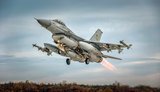
Ukraine's F-16 fighter jets are a pivotal component of the country's defense strategy, especially as conflict continues with Russia. Recent reports highlighted ongoing challenges, including limited ammunition supplies and delayed repairs that have left half of the fleet grounded. Despite these hurdles, Ukrainian pilots have effectively utilized available jets to intercept enemy missiles, safeguarding national airspace. The Pentagon's recent contract with Sabena Aerospace Engineering aims to expedite maintenance processes, ensuring operational readiness. While rumors of low readiness have been refuted, Europe-based repairs have slowed the return of these vital aircraft. As Ukraine continues to secure munitions globally, the F-16s remain essential to its military operations.
Why are the Ukrainian F16 fighter jets crucial for national defense?
The F16 fighter jets are crucial for Ukraine's defense as they play a vital role in intercepting and neutralizing threats from Russian missiles and drones, thereby protecting Ukrainian airspace. Their advanced capabilities are essential for rapid response to aerial threats, significantly enhancing Ukraine's defensive posture against ongoing military aggression.
What challenges do Ukrainian F16s face in terms of maintenance?
Ukrainian F16s face significant maintenance challenges, primarily due to delays in technical inspections and repairs, notably in Belgium. These hold-ups have rendered half of the fleet non-combat-ready, affecting operational efficiency. Maintenance contracts, like the one recently signed with Sabena Aerospace, aim to alleviate these issues but delays remain a critical hurdle.
How is Ukraine addressing the shortage of ammunition for F16 jets?
Ukraine is actively sourcing ammunition for its F16 jets from international partners to address existing shortages. While some supplies are already en route, insufficient munitions pose an ongoing challenge, prompting Ukraine to engage in global procurement efforts to ensure these aircraft remain combat-effective and ready to engage threats effectively.
What measures are being taken to improve F16 readiness?
The Pentagon's contract with Sabena Aerospace for F16 maintenance aims to improve aircraft readiness by speeding up repair and maintenance processes. Additionally, by denying reports of drastically low readiness, Ukrainian officials emphasize ongoing efforts to maintain operational capacity. Such initiatives are crucial for ensuring the F16s are consistently combat-ready.
Have Ukrainian F16s successfully intercepted enemy missiles?
Yes, Ukrainian F16s have successfully intercepted enemy missiles. On several occasions, these jets have been instrumental in shooting down Russian cruise missiles, such as the Kh-101, thereby demonstrating their capability to protect Ukrainian airspace effectively. These operations highlight the jets' critical role in current defense strategies.
What role do foreign contracts play in maintaining Ukrainian F16s?
Foreign contracts, such as the $235 million deal with Sabena Aerospace, are vital in maintaining the operational readiness of Ukrainian F16s. These arrangements facilitate timely repairs and upkeep, crucial for keeping the jets mission-ready and extending their lifespan amidst ongoing military engagements.
How significant are F16s in Ukraine's air defense?
The F16 fighter jets are highly significant to Ukraine's air defense, as they provide a robust platform for intercepting aerial threats. They enhance the defense system's overall effectiveness by offering advanced technology and flexibility, crucial for adapting to the dynamic conditions of military conflict with precision.
What is the impact of ammunition shortages on F16 operations in Ukraine?
Ammunition shortages severely impact the operational capacity of Ukrainian F16s. Limited munitions restrict these jets' ability to engage effectively in sustained defense operations, necessitating urgent procurement from international partners to ensure continuous aerial threat interception and comprehensive airspace security.