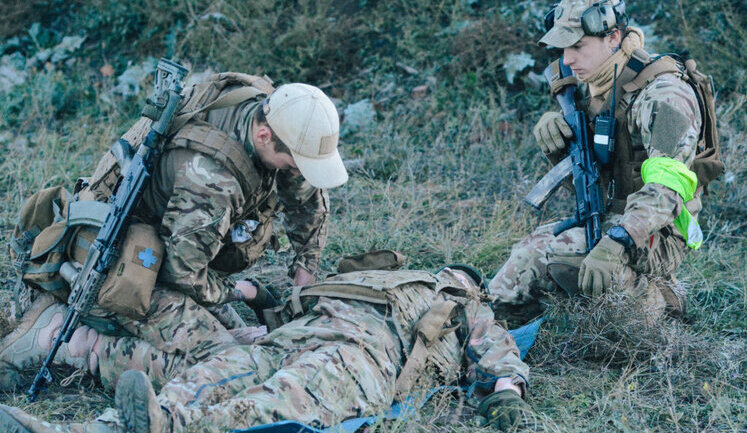
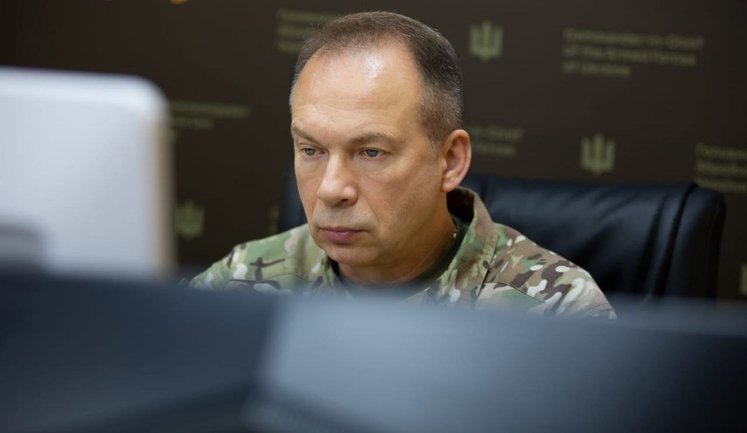
The Armed Forces of Ukraine (AFU) are making significant progress in military medicine by expanding underground medical stations and improving evacuation strategies for wounded troops. Commander-in-Chief Oleksandr Syrskyi highlights the need for more armored personnel carriers to ensure timely medical support. A recent meeting focused on addressing challenges related to evacuating injured servicemen, analyzing injuries, and morbidity rates. Furthermore, the successful establishment of the 1st Separate Medical Battalion marks a notable achievement, with full staffing and medical coverage extending over 100 kilometers of frontline. This advancement underscores the essential role of military medicine in safeguarding soldiers' lives and enhancing battlefield resilience. Through dedicated efforts, the AFU continues to enhance its medical capabilities, demonstrating a commitment to supporting its forces effectively in combat zones.
How is Ukraine improving its military medicine facilities?
Ukraine is expanding its network of underground medical stations and enhancing evacuation processes for injured soldiers. This involves acquiring more armored personnel carriers and addressing issues related to injury types, morbidity rates, and logistical challenges. These efforts are aimed at providing timely medical support and improving the resilience of military personnel in combat situations.
What role does the 1st Separate Medical Battalion play in Ukraine's military?
The 1st Separate Medical Battalion of the Armed Forces of Ukraine plays a pivotal role in providing medical coverage along approximately 100 kilometers of the frontline. The battalion has achieved full staffing and has been crucial in saving lives through systematic operations directly within combat zones. This battalion exemplifies Ukraine's dedication to enhancing military medical capabilities.
What challenges are faced by military medics in Ukraine?
Military medics in Ukraine face challenges related to the evacuation of wounded soldiers, managing various injury types, and addressing morbidity rates within units. The need for improved logistical support, such as more armored personnel carriers, is critical. Continuous analysis and strategic planning are essential to overcome these challenges and ensure the effective operation of military medical services.
How has the AFU medical strategy evolved in recent times?
The AFU medical strategy has evolved by establishing robust medical battalions, expanding medical facilities, and augmenting evacuation capabilities. With a focus on strategic planning for injury management and resource allocation, Ukraine emphasizes the importance of a well-coordinated medical response in dealing with combat-related injuries, ensuring the sustainability and efficiency of its military health care services.
What is the significance of armored personnel carriers in military medicine?
Armored personnel carriers are critical in military medicine as they provide secure means for the transportation of wounded soldiers from combat zones to medical facilities. They ensure that the medical evacuation process is timely and efficient, minimizing risks to both patients and medical staff. This is essential in maintaining high survival rates and ensuring swift treatment for injuries sustained on the battlefield.